Time relays serve as essential control components in modern electrical systems, providing precise timing functions that enable automated operations across countless industrial and commercial applications. These sophisticated devices combine the fundamental switching capabilities of standard relays with programmable timing functions, making them indispensable for applications requiring delayed activation, timed sequences, or interval-based operations. The integration of time relays with protective components like a voltage protector socket for relay ensures both operational reliability and equipment longevity in demanding electrical environments.
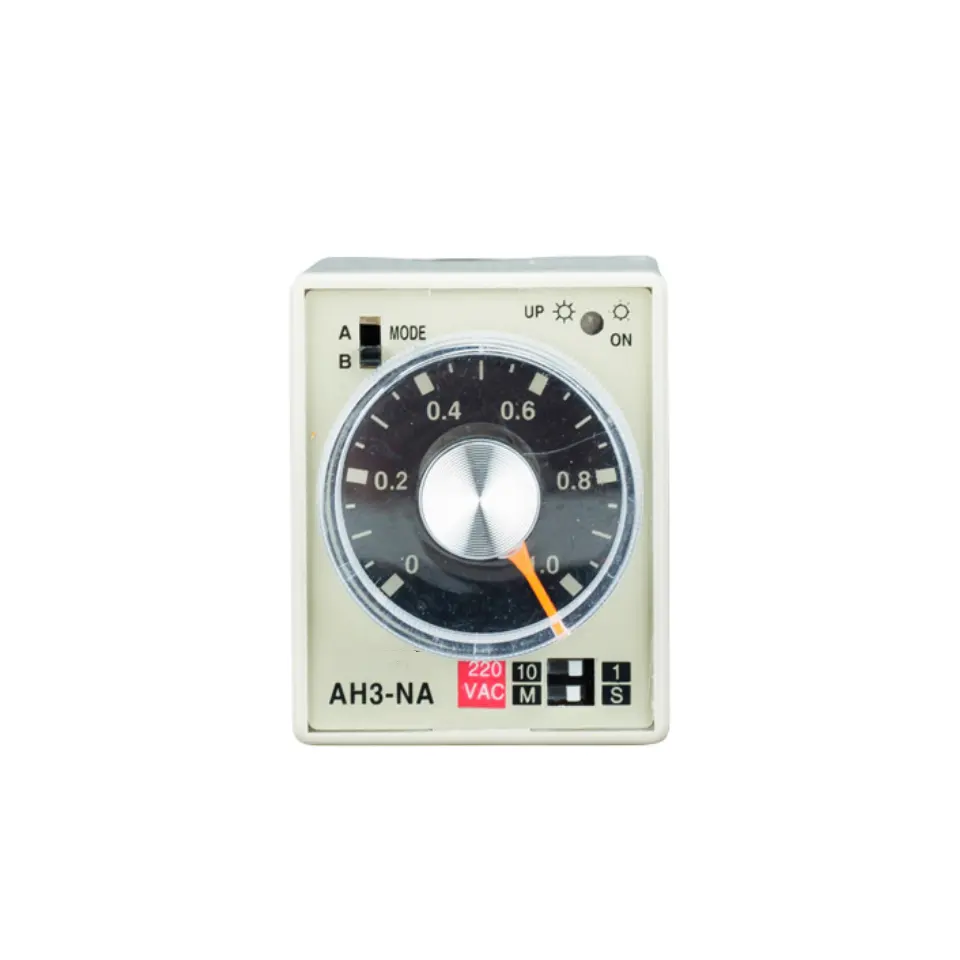
Understanding time relay applications begins with recognizing their fundamental role in process automation and control systems. These devices function as programmable switches that can delay circuit activation, control sequential operations, or maintain specific timing intervals between electrical events. The versatility of time relays makes them suitable for applications ranging from simple lighting controls to complex industrial automation systems where precise timing coordination is critical for operational efficiency and safety.
Time relays play a crucial role in sequential motor starting applications, particularly in systems where multiple motors must start in a predetermined sequence to prevent excessive power demands or mechanical stress. Manufacturing facilities often employ conveyor systems, pumping stations, and processing equipment that require carefully timed motor activation to ensure smooth operation. The voltage protector socket for relay components in these systems provides essential surge protection during motor startup transients.
In large industrial facilities, sequential motor starting prevents power system overload by staggering the high inrush currents associated with motor startup. Time relays control the intervals between each motor activation, ensuring that the electrical system can handle the cumulative load without tripping protective devices. This application is particularly important in facilities with limited electrical capacity or where power quality must be maintained for sensitive equipment operation.
Time relays provide critical timing functions for motor protection circuits, including delayed restart prevention and cooling fan control. After a motor shutdown due to overload or fault conditions, time relays prevent immediate restart attempts that could cause additional damage to overheated windings. The integration with a voltage protector socket for relay ensures comprehensive protection against both timing-related and electrical fault conditions.
Cooling system applications rely on time relays to maintain proper cooling periods for motors and associated equipment. In applications such as compressor systems, time relays ensure that cooling fans continue operating for a predetermined period after the main motor shuts down, preventing thermal damage and extending equipment life. This timing control is essential for maintaining optimal operating conditions and preventing premature equipment failure.
Time relays are fundamental components in HVAC systems, controlling the startup and shutdown sequences of air handling units, chillers, and heating equipment. These applications require precise timing to ensure proper system operation, energy efficiency, and equipment protection. The startup sequence for large HVAC systems typically involves staged activation of fans, pumps, and compressors to prevent electrical overload and mechanical stress.
Building automation systems utilize time relays to coordinate complex HVAC operations, including demand response programs, scheduled equipment cycling, and energy management protocols. The timing functions enable buildings to optimize energy consumption by controlling when equipment operates based on occupancy schedules, utility pricing, or grid demand conditions. A voltage protector socket for relay installation ensures reliable operation of these critical timing circuits throughout varying load conditions.
Commercial and industrial lighting systems frequently employ time relays for automated control functions, including delayed shutoff, stairwell lighting, and security lighting applications. Time relays enable lights to remain on for predetermined periods after activation, providing safety and convenience while minimizing energy consumption. These applications are particularly important in areas where immediate lighting shutoff could create safety hazards.
Energy management systems incorporate time relays to implement load shedding strategies, peak demand reduction, and scheduled equipment operation. By controlling when non-essential lighting and equipment operate, facilities can reduce energy costs and comply with utility demand response programs. The reliable timing provided by quality time relays with appropriate voltage protector socket for relay protection ensures consistent performance of these energy-saving strategies.
Process industries rely heavily on time relays for controlling chemical reactions, mixing operations, and material handling sequences. These applications often require precise timing to ensure product quality, safety, and process efficiency. Time relays control valve operations, pump cycles, and heating or cooling sequences that are critical for maintaining proper process conditions and preventing equipment damage or product contamination.
Batch processing operations utilize time relays to control the duration of various process steps, including mixing times, reaction periods, and settling intervals. The accuracy and reliability of these timing functions directly impact product quality and process efficiency. Integration with protective components like voltage protector socket for relay systems ensures that timing circuits remain operational even during electrical disturbances that could otherwise disrupt critical process sequences.
Automated material handling systems depend on time relays for coordinating conveyor operations, sorting mechanisms, and packaging equipment. These applications require precise timing to ensure proper product flow, prevent jamming, and maintain packaging accuracy. Time relays control the intervals between conveyor starts, the duration of sorting operations, and the timing of packaging sequences to optimize throughput and minimize waste.
Packaging machinery utilizes time relays for controlling fill operations, sealing cycles, and labeling sequences. The timing accuracy provided by these devices ensures consistent package weights, proper sealing, and accurate label placement. The reliability of timing functions is critical for maintaining production rates and product quality standards in high-speed packaging operations where even minor timing variations can result in significant quality issues.
Emergency lighting systems incorporate time relays to ensure proper operation during power outages and emergency conditions. These applications require time relays to control battery backup systems, emergency generator startup sequences, and evacuation lighting duration. The timing functions ensure that emergency lighting remains operational for code-required periods while managing battery life and system reliability.
Fire safety systems utilize time relays for controlling smoke evacuation fans, emergency ventilation, and fire suppression system activation sequences. These critical safety applications require reliable timing functions that operate correctly even under adverse conditions. The use of voltage protector socket for relay components ensures that timing circuits remain functional during electrical disturbances that often accompany emergency situations.
Security systems employ time relays for controlling door locks, alarm delays, and surveillance equipment operation. Access control systems use timing functions to manage door unlocking periods, providing sufficient time for authorized entry while maintaining security. Time relays also control alarm system delays that prevent false alarms while ensuring rapid response to actual security breaches.
Perimeter security systems utilize time relays for controlling lighting activation, camera positioning, and alarm notification sequences. These timing functions coordinate multiple security components to provide comprehensive protection while minimizing false alarms and energy consumption. The reliability of timing circuits is essential for maintaining security system effectiveness and ensuring proper response to security events.
Backup generator systems rely on time relays for controlling startup sequences, load transfer operations, and cooldown periods. These applications require precise timing to ensure reliable power transfer without damaging equipment or interrupting critical loads. Time relays control the intervals between generator startup, voltage stabilization, and load connection to provide seamless backup power operation.
Load management systems use time relays to implement demand response strategies, peak shaving operations, and scheduled equipment cycling. These applications help facilities manage energy costs and comply with utility requirements while maintaining operational continuity. The integration of voltage protector socket for relay protection ensures reliable timing circuit operation throughout varying electrical conditions and load demands.
Power quality improvement systems incorporate time relays for controlling voltage regulators, power factor correction equipment, and harmonic filters. These applications require timing functions to coordinate multiple power quality devices and prevent system instability. Time relays ensure proper sequencing of power quality equipment activation and provide necessary delays to allow system stabilization between switching operations.
Protective relay systems utilize time relays for implementing time-overcurrent protection, reclosing sequences, and equipment lockout functions. These critical protection applications require highly reliable timing functions that operate correctly under fault conditions. The timing accuracy and consistency provided by quality time relays with appropriate voltage protector socket for relay protection are essential for maintaining power system protection and preventing equipment damage during fault conditions.
When selecting time relays for industrial applications, consider timing accuracy requirements, environmental conditions, electrical specifications, and integration compatibility. The timing range should match application requirements, while the relay contacts must handle the expected electrical loads. Environmental factors such as temperature, humidity, and vibration affect relay selection, particularly in harsh industrial settings. Additionally, ensure compatibility with control systems and consider using voltage protector socket for relay protection to enhance system reliability and longevity.
Time relays improve energy efficiency by enabling precise control of equipment operation schedules, implementing demand response strategies, and preventing unnecessary equipment runtime. They allow buildings to optimize HVAC, lighting, and other systems based on occupancy patterns, utility pricing, and operational requirements. Time relays also enable load shedding during peak demand periods and coordinate equipment startup to minimize power consumption spikes that result in demand charges.
Regular maintenance practices for time relays include periodic timing verification, contact inspection, and environmental monitoring. Check timing accuracy using calibrated test equipment and verify that contacts operate properly under load conditions. Monitor environmental conditions such as temperature and humidity that can affect relay performance. Clean relay enclosures and connections to prevent contamination that could cause timing drift or contact problems. Using voltage protector socket for relay components helps minimize maintenance requirements by protecting against electrical stress and extending relay life.
Modern time relays offer various integration options with digital control systems, including communication protocols, digital inputs and outputs, and programmable functions. Many current time relays support industrial communication standards that enable remote monitoring, programming, and diagnostics. Digital integration allows centralized control of timing functions and provides data for predictive maintenance and system optimization. The combination of digital connectivity with traditional relay reliability makes modern time relays suitable for both legacy and contemporary control system applications.

 EN
EN