Modern households rely heavily on refrigeration systems to preserve food and maintain daily convenience. However, electrical fluctuations and power surges pose significant threats to these expensive appliances. A refrigerator protector serves as a crucial safeguard against voltage irregularities that can damage compressor motors, control circuits, and electronic components. Understanding the importance of voltage protection helps homeowners make informed decisions about protecting their refrigeration investments from costly electrical damage.
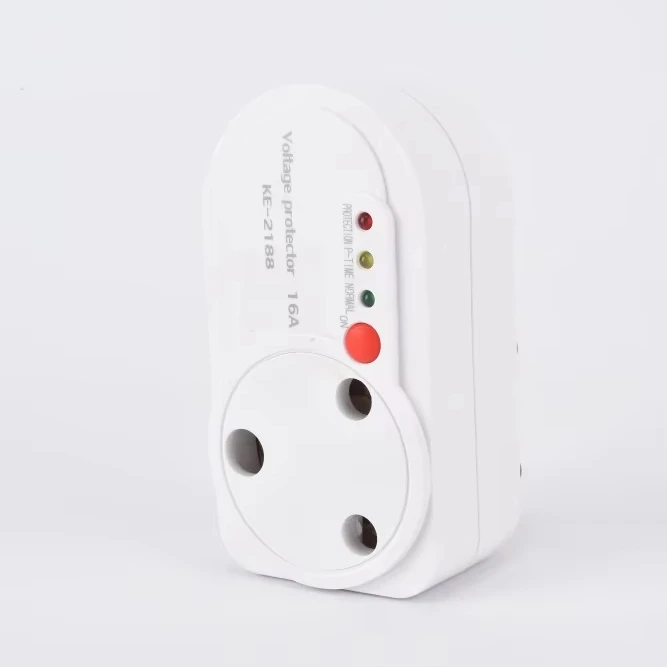
Electrical systems in residential areas experience frequent voltage variations due to grid instabilities, power company switching operations, and neighborhood load changes. These fluctuations directly impact sensitive refrigerator components, particularly the compressor motor which represents the most expensive part of the cooling system. Without proper protection, even minor voltage irregularities can gradually degrade internal components, leading to premature failure and expensive repairs. Installing a reliable refrigerator protector creates a barrier between unstable power supply and valuable appliances.
Power grid instabilities originate from multiple sources including transformer switching, industrial load variations, and weather-related disruptions. Utility companies perform routine maintenance and load balancing operations that create temporary voltage spikes or drops throughout the distribution network. Lightning strikes and electrical storms introduce sudden surges that travel through power lines, reaching residential outlets within milliseconds. A refrigerator protector monitors these irregularities continuously, disconnecting power when dangerous conditions are detected.
Neighborhood electrical demands fluctuate throughout the day as residents activate air conditioners, water heaters, and other high-power appliances. These load changes create voltage sags during peak consumption periods and overvoltage conditions during low-demand hours. Industrial facilities and construction sites introduce additional instabilities through motor starting currents and welding operations. Modern refrigerators contain sensitive electronic controls that cannot tolerate these variations without protection.
Compressor motors operate within specific voltage ranges to maintain proper cooling efficiency and mechanical integrity. Overvoltage conditions force motors to draw excessive current, generating heat that breaks down insulation and bearing lubricants. Undervoltage situations prevent motors from developing sufficient starting torque, causing repeated start attempts that overheat windings. Electronic control boards contain microprocessors and memory circuits that reset or fail completely when subjected to voltage irregularities.
Temperature sensors, defrost timers, and display panels rely on stable power supplies to maintain calibration and functionality. Voltage spikes can permanently damage these components, requiring expensive replacement and service calls. Ice makers and water dispensers contain additional motors and solenoids that are equally vulnerable to electrical stress. A quality refrigerator protector prevents these failures by maintaining clean, stable power delivery to all internal systems.
Basic surge protectors use metal oxide varistors to clamp voltage spikes above predetermined thresholds. These devices provide protection against lightning-induced surges and switching transients but cannot address brownout conditions or sustained overvoltage situations. Advanced surge protection combines multiple technologies including gas discharge tubes and silicon avalanche diodes for comprehensive spike suppression. However, surge protectors alone cannot protect against the full range of power quality problems affecting refrigeration equipment.
Whole-house surge protection installed at the electrical panel provides building-wide protection but may not respond quickly enough for sensitive appliances. Point-of-use surge protectors offer faster response times but lack the ability to disconnect power during sustained abnormal conditions. Modern appliance protection requires devices that combine surge suppression with voltage monitoring and automatic disconnection capabilities. A sophisticated refrigerator protector integrates these technologies into a single, comprehensive protection system.
Advanced voltage protection devices continuously monitor incoming power quality and make real-time decisions about appliance safety. These systems detect overvoltage, undervoltage, and frequency variations that could damage refrigerator components. When abnormal conditions are detected, the protector immediately disconnects power and waits for stable conditions before reconnecting. This intelligent operation prevents damage while minimizing food spoilage from unnecessary disconnections.
Digital voltage monitors display real-time electrical parameters including voltage levels, frequency, and protection status. LED indicators provide immediate visual feedback about power quality and protection system operation. Some units include data logging capabilities that record power quality events for analysis and troubleshooting. Professional-grade refrigerator protector systems offer adjustable voltage thresholds and time delays to accommodate varying local power conditions.
Refrigerator protector installation requires careful consideration of electrical codes, appliance specifications, and local power conditions. The protection device should be installed as close as possible to the refrigerator to minimize unprotected wiring runs. Dedicated circuits provide the best protection by eliminating interactions with other appliances and their electrical noise. Professional installation ensures proper grounding, wire sizing, and compliance with safety regulations.
Wall-mounted protectors should be positioned in accessible locations for easy monitoring and maintenance. The installation area must provide adequate ventilation and protection from moisture or physical damage. Some refrigerator protector models include built-in outlets that replace existing wall receptacles, simplifying installation while providing integrated protection. Proper installation documentation helps service technicians understand the protection system during future maintenance visits.
Voltage protection thresholds must be set according to local power conditions and refrigerator manufacturer specifications. Most refrigerators operate safely within plus or minus ten percent of rated voltage, but some models require tighter tolerances. Overvoltage protection typically activates between 245-250 volts for 220-volt systems, while undervoltage protection engages around 180-190 volts. Time delays prevent nuisance tripping during brief voltage fluctuations while ensuring protection during sustained abnormal conditions.
Frequency monitoring protects against generator power quality issues and utility system instabilities. Most refrigerator protector systems monitor frequency within one or two hertz of rated values, disconnecting power when significant deviations occur. Reconnection delays allow power conditions to stabilize before restoring appliance operation. Regular calibration checks ensure protection thresholds remain accurate over time and changing electrical environments.
Modern refrigerators represent significant household investments, with premium models costing several thousand dollars. Compressor replacement alone can cost 40-60 percent of a new appliance purchase price, not including labor charges and potential food spoilage costs. Electronic control board failures typically require expensive factory replacement parts and specialized service technician visits. A refrigerator protector provides insurance against these costly repairs at a fraction of potential damage costs.
Extended appliance lifespan results from consistent protection against electrical stress and component degradation. Refrigerators protected from voltage variations often exceed manufacturer warranty periods by several years, providing additional value through extended service life. Energy efficiency improvements result from maintaining optimal operating conditions and preventing performance degradation. Insurance claims and warranty disputes are minimized when electrical protection demonstrates proactive appliance care.
Unexpected refrigerator failures can result in hundreds of dollars in spoiled food costs, particularly for families who maintain well-stocked freezers. Emergency food replacement and restaurant expenses during appliance repair periods add to the financial impact of electrical failures. A reliable refrigerator protector prevents these disruptions by maintaining stable operating conditions and preventing damage-related outages. Commercial food service operations face even higher spoilage costs, making electrical protection essential for business continuity.
Temperature monitoring systems integrated with voltage protection provide early warning of cooling system problems. These advanced features help identify developing issues before complete failure occurs, allowing for planned maintenance rather than emergency repairs. Smart home integration capabilities enable remote monitoring and alerts, providing peace of mind during extended absences. Professional food storage facilities rely on comprehensive electrical protection to maintain product integrity and regulatory compliance.
Refrigerator protector selection requires careful evaluation of electrical ratings, response times, and protection features. Current ratings must exceed appliance requirements with adequate safety margins for starting currents and motor inrush conditions. Voltage monitoring ranges should accommodate local power quality variations while providing appropriate protection thresholds. Response times must be fast enough to prevent damage while avoiding nuisance disconnections during normal operation.
Advanced features such as phase monitoring, neutral fault detection, and ground fault protection enhance safety and reliability. Digital displays provide valuable information about power quality conditions and protection system status. Data logging capabilities help identify recurring power quality problems that may require utility company attention. Warranty coverage and manufacturer support demonstrate product quality and long-term reliability expectations.
Electrical protection devices should meet recognized safety standards including UL listing, CSA approval, or equivalent international certifications. Manufacturer reputation for quality and customer support influences long-term satisfaction and service availability. Technical documentation and installation instructions reflect product development quality and user-friendly design considerations. Customer reviews and professional recommendations provide insights into real-world performance and reliability.
Local electrical inspector approval and code compliance ensure safe installation and operation. Some jurisdictions require specific protection device features or installation methods for appliance protection applications. Professional electrical contractor recommendations help identify products with proven field performance and service support. Manufacturer training and technical support availability influence troubleshooting and maintenance capabilities over the device lifespan.
Signs that indicate the need for a refrigerator protector include frequent power outages, flickering lights, or voltage fluctuations in your area. If your refrigerator has experienced unexplained failures, compressor problems, or electronic control issues, voltage irregularities may be the cause. Homes in areas with unreliable power grids, frequent storms, or aging electrical infrastructure benefit significantly from appliance protection. Consulting with a qualified electrician can help assess your specific power quality conditions and protection requirements.
A quality refrigerator protector consumes minimal standby power, typically less than 2-5 watts, which translates to negligible monthly electricity costs. The protection device may actually reduce energy consumption by maintaining optimal voltage conditions and preventing efficiency degradation. Preventing premature appliance failures and maintaining proper operating conditions often results in net energy savings over time. The small operational cost is far outweighed by the potential savings from avoided repairs and replacements.
While some plug-in refrigerator protector models allow simple DIY installation, hardwired units typically require professional electrical installation. Local electrical codes may mandate professional installation for certain protection device types or electrical system modifications. Proper installation ensures optimal protection performance, safety compliance, and warranty coverage. Consulting with a licensed electrician helps determine the best protection solution and installation approach for your specific situation and local requirements.
Most modern refrigerator protector devices require minimal maintenance beyond periodic visual inspection and cleaning. Check LED indicators monthly to ensure normal operation status and verify protection system functionality. Keep the device clean and free from dust accumulation that could affect cooling or electrical connections. Annual testing of protection thresholds and response times helps ensure continued reliable operation. Some models include self-diagnostic features that automatically monitor internal components and indicate when service is needed.

 EN
EN