Every home is filled with electronics that represent a significant financial investment — from refrigerators and washing machines to televisions, computers, and air conditioning units. Yet many homeowners overlook one of the most common and damaging threats to these appliances: electrical voltage instability. Whether caused by utility grid fluctuations, lightning activity, or sudden load changes, irregular voltage can silently degrade your devices over time, leading to premature failure, costly repairs, and unexpected replacements. Understanding how voltage protection works is therefore essential for any homeowner who wants to safeguard their electronics and maximize their usable lifespan.
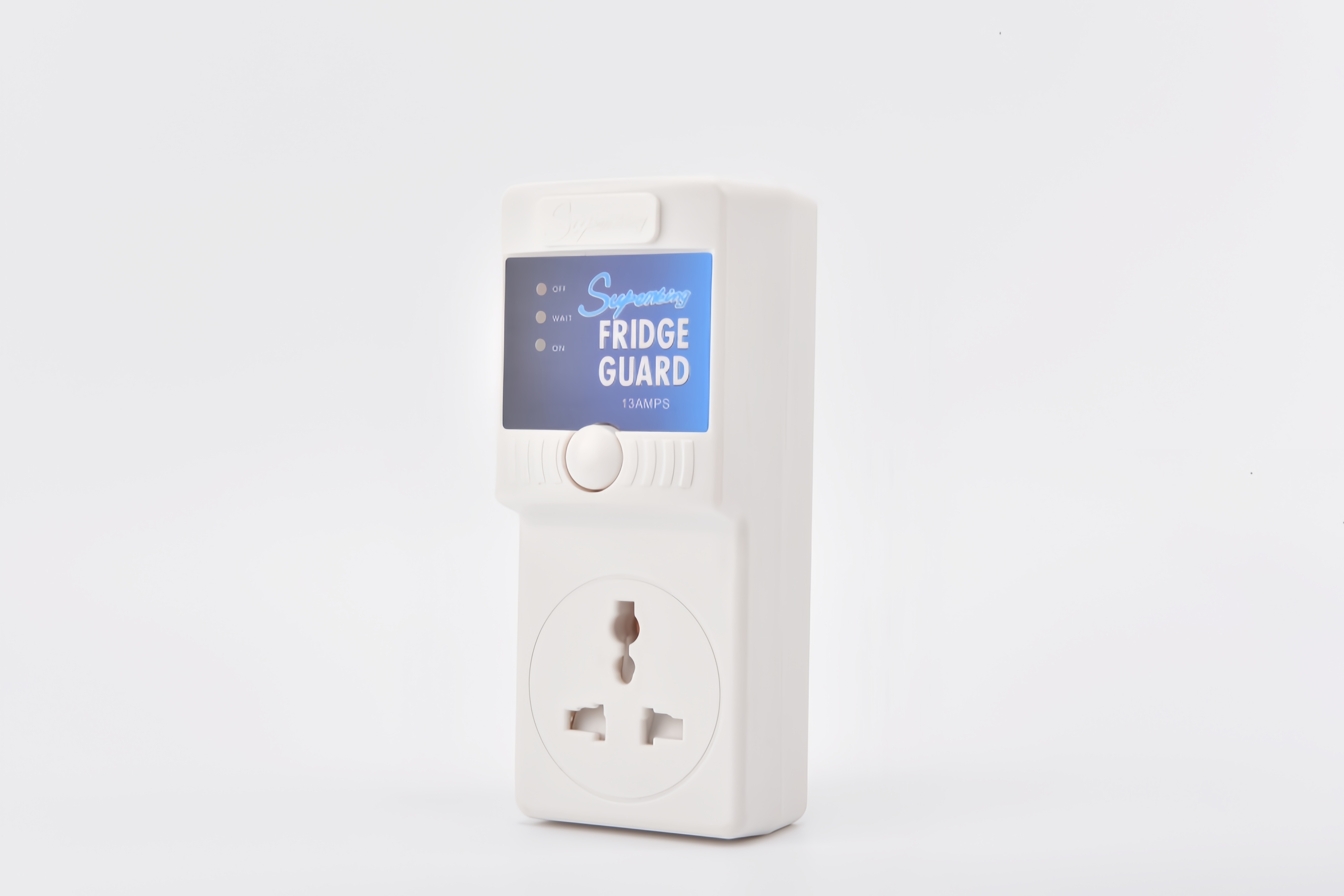
Voltage protection is not merely a luxury add-on for sensitive laboratory equipment — it is a practical and increasingly necessary layer of defense for everyday household appliances. When voltage protection devices are installed correctly, they act as intelligent guardians between your home's power supply and the appliances plugged into it. They detect abnormal voltage conditions, interrupt the circuit before damage can occur, and restore power only when safe operating conditions return. This article explores the mechanisms behind voltage protection, explains how it directly extends appliance life, and provides practical guidance for implementing it in a residential setting.
Voltage fluctuations in residential environments are far more common than most people realize. The electricity supplied by utility companies is designed to deliver a stable nominal voltage — typically 120V in North American homes — but in practice, this supply is rarely perfectly consistent. Demand changes throughout the day, transmission line conditions vary, and local grid infrastructure introduces small but meaningful variations in the voltage reaching your outlets.
Within the home itself, large appliances such as air conditioners, refrigerators, and electric motors create momentary voltage dips when they start up, a phenomenon known as inrush current. These brief drops can affect other devices sharing the same circuit. Similarly, when heavy loads switch off, voltage can momentarily spike above its normal level. Without voltage protection, all connected appliances are exposed to these recurring stress events.
External factors also contribute. Thunderstorms can induce transient overvoltage events through power lines, even when lightning does not strike directly. Utility switching operations and faults on distribution lines can send voltage surges into homes without warning. Over time, these seemingly minor events accumulate and wear down the internal components of electronics in ways that are difficult to observe until failure actually occurs.
Electronic devices are designed to operate within a specific voltage range. When voltage drops below this range — a condition known as undervoltage or brownout — motors must work harder to maintain performance, causing them to overheat and wear out faster. Compressors in refrigerators and air conditioners are particularly vulnerable to sustained undervoltage, as the additional electrical current drawn under low-voltage conditions generates excess heat that degrades motor windings and insulation.
Overvoltage conditions are equally damaging, if not more so. When voltage rises above the designed operating threshold, excess electrical energy stresses capacitors, resistors, integrated circuits, and power supply units. Sensitive components in televisions, computers, and microwave ovens can fail outright during a significant overvoltage event, while smaller repeated surges cause gradual degradation that shortens component life without causing immediate visible failure.
This cumulative damage is the core reason why voltage protection matters so much for long-term appliance health. A device that might otherwise last ten to fifteen years under clean power conditions may begin exhibiting performance issues in five to seven years if it is regularly exposed to voltage instability. Voltage protection interrupts this pattern by ensuring that devices only receive power within their safe operating range.
A modern voltage protection device operates through continuous real-time monitoring of the incoming supply voltage. Inside the unit, precision sensing circuits compare the actual incoming voltage against pre-set upper and lower threshold values. These thresholds are calibrated to match the safe operating range of standard household appliances, typically set to disconnect when voltage falls too low or rises too high beyond the nominal value.
When the device detects that voltage has moved outside the acceptable range, it triggers a relay or electronic switching mechanism that immediately disconnects the load — meaning the appliance plugged into it — from the power supply. This interruption happens within milliseconds, fast enough to prevent most forms of voltage-induced damage. The device then continues to monitor the incoming voltage, and once stable, safe conditions are restored and maintained for a defined delay period, it reconnects the load automatically.
The time delay before reconnection is an important feature of effective voltage protection. It prevents appliances from being reconnected too quickly after a voltage event, which could expose them to a second spike or to the instability that sometimes follows a voltage correction. This delay is particularly important for compressor-based appliances, which require a rest period before restarting to avoid mechanical stress.
Contemporary voltage protection units designed for household use often incorporate digital displays that show real-time voltage readings. This feature transforms the device from a passive protector into an informational tool, allowing homeowners to actually see the voltage conditions in their home and understand when fluctuations are occurring. Over time, this awareness can help identify circuits that experience chronic instability, prompting further investigation or infrastructure improvement.
Digital voltage protection devices also typically include indicator lights or audible alerts that notify users when the device has intervened — that is, when it has disconnected an appliance due to abnormal voltage. These notifications help homeowners correlate protection events with external factors such as storms or peak usage hours, building a clearer picture of their home's power quality. For households with many sensitive electronics, this visibility is genuinely valuable for making informed decisions about appliance placement and circuit loading.
The combination of automatic protection and real-time monitoring represents the full value proposition of modern voltage protection technology. It is not simply about reacting to problems — it is about providing ongoing visibility and consistent defense against a threat that is otherwise invisible to the typical homeowner.
The most direct way that voltage protection extends the life of home electronics is by eliminating the primary stressors that cause premature component failure. Heat is the number one enemy of electronic components, and abnormal voltage — both high and low — generates excess heat within circuits and motors. By ensuring that appliances only receive power when voltage is within the safe operating range, voltage protection prevents the repeated heat stress events that degrade insulation, solder joints, and semiconductor junctions.
Power supply units within appliances are often the first components to fail when exposed to overvoltage conditions. These units contain capacitors and rectifiers that absorb and smooth incoming power, and they are directly in the path of any voltage irregularities. Voltage protection reduces the frequency and severity of the stress events these components must handle, allowing them to operate within their design parameters consistently and thereby achieve their full rated service life.
For motor-driven appliances such as washing machines, refrigerators, and fans, voltage protection also prevents the condition of locked-rotor operation under severe undervoltage, where a motor struggles to start and draws dangerously high current. This scenario can destroy motor windings in a matter of minutes. Consistent voltage protection eliminates this risk entirely by refusing to allow the appliance to operate until stable voltage is confirmed.
Modern household appliances are increasingly sophisticated, incorporating microprocessors, digital control boards, and embedded software that manage functions ranging from temperature regulation to wash cycle timing. These electronic control systems are highly sensitive to voltage irregularities. A voltage spike of even moderate magnitude can corrupt memory, damage logic circuits, or destroy the control board entirely — a repair that often costs nearly as much as replacing the appliance.
Voltage protection acts as the first line of defense for these vulnerable components. By preventing overvoltage events from reaching the appliance, it protects the control electronics that are most difficult and expensive to repair. This is especially important for appliances that are left in standby mode for extended periods, during which they remain connected to the power supply and therefore exposed to any voltage transients that occur.
The financial logic here is straightforward. A voltage protection device represents a relatively modest one-time investment compared to the cost of replacing a smart refrigerator control board, a washing machine programmer unit, or a television main board. When considered in terms of protecting even a single major appliance, the return on investment from voltage protection becomes readily apparent.
Effective voltage protection begins with selecting the right device for each application. Voltage protection units are rated by the maximum current they can safely handle, expressed in amperes. It is important to choose a unit whose current rating exceeds the operating current draw of the appliance it will protect, with a reasonable safety margin. Using an undersized voltage protection device not only risks its own failure but may also fail to provide adequate protection during high-demand operation.
The voltage threshold settings of the device are equally important. Voltage protection devices should be configured or selected with trip thresholds appropriate to the appliance being protected and to the nominal voltage of the local power supply. A device with thresholds set too narrowly may disconnect frequently due to normal, harmless fluctuations, while thresholds set too broadly may fail to intervene until after damage-inducing voltage levels are reached.
For households using American-standard 120V power supplies, selecting a voltage protection unit specifically designed for this voltage standard ensures accurate sensing and appropriate threshold calibration. A digitally displayed household voltage protection device provides both accurate monitoring and reliable automatic intervention, making it a practical choice for protecting high-value appliances in this environment.
Voltage protection devices are most effective when installed as close as possible to the appliance they are protecting. Plug-in voltage protection units installed at the outlet serving a specific appliance ensure that the protective mechanism is directly in the circuit path between the power supply and the device. This placement minimizes the possibility of voltage transients bypassing the protection entirely through long wiring runs.
Priority appliances for voltage protection in most homes include refrigerators, air conditioners, washing machines, dryers, and any large entertainment or computing electronics. These represent the highest individual replacement costs and are also among the most sensitive to voltage irregularities. Ensuring voltage protection for these specific appliances delivers the greatest return on the investment in protective hardware.
It is also worth noting that voltage protection should be viewed as a complement to, rather than a replacement for, good general electrical practice. Ensuring that your home's wiring is properly grounded, that circuits are not overloaded, and that your main electrical panel is in good condition all contribute to better power quality at the outlet level. Voltage protection provides the final layer of defense after these broader measures are in place.
Voltage protection devices help guard against the overvoltage conditions that can result from nearby lightning activity affecting the power distribution network. However, a direct lightning strike can produce energy levels that exceed the capacity of most residential voltage protection devices. For comprehensive protection against direct or very close lightning events, voltage protection should be combined with whole-home surge protection installed at the main electrical panel.
Voltage protection does not directly reduce electricity consumption in a significant way. Its primary purpose is to protect appliances from damage, not to optimize energy efficiency. However, by preventing appliances from operating under undervoltage conditions — where motors draw excess current — voltage protection may indirectly contribute to more efficient operation in environments with chronic low-voltage issues.
Common signs of voltage instability include lights that flicker or dim noticeably, appliances that frequently trip circuit breakers or behave erratically, electronics that fail prematurely without clear cause, and visible dimming when large appliances start up. A digital voltage protection device with a real-time display can help you monitor actual voltage levels at specific outlets over time, making it easier to identify whether your home's power quality is within acceptable parameters.
Voltage protection and surge protection are related but distinct concepts. Surge protectors are specifically designed to clamp very fast, very high-energy transient overvoltage events — typically using metal oxide varistors — and they offer little protection against sustained overvoltage or undervoltage conditions. Voltage protection devices, by contrast, monitor sustained voltage levels and disconnect the load when the supply moves outside a safe operating range. A comprehensive home protection strategy benefits from both types of protection working together.

 EN
EN