Whole-house electrical safety is one of those priorities that homeowners and property managers often overlook until a costly appliance failure or electrical surge forces the issue. Installing a voltage protector at the main distribution panel is one of the most effective steps you can take to guard every circuit in your home against the damaging effects of overvoltage and undervoltage conditions. Whether you are dealing with an unstable utility grid, frequent power fluctuations, or simply want to protect expensive appliances like refrigerators, air conditioners, and home theater systems, understanding how to install this device correctly is essential.
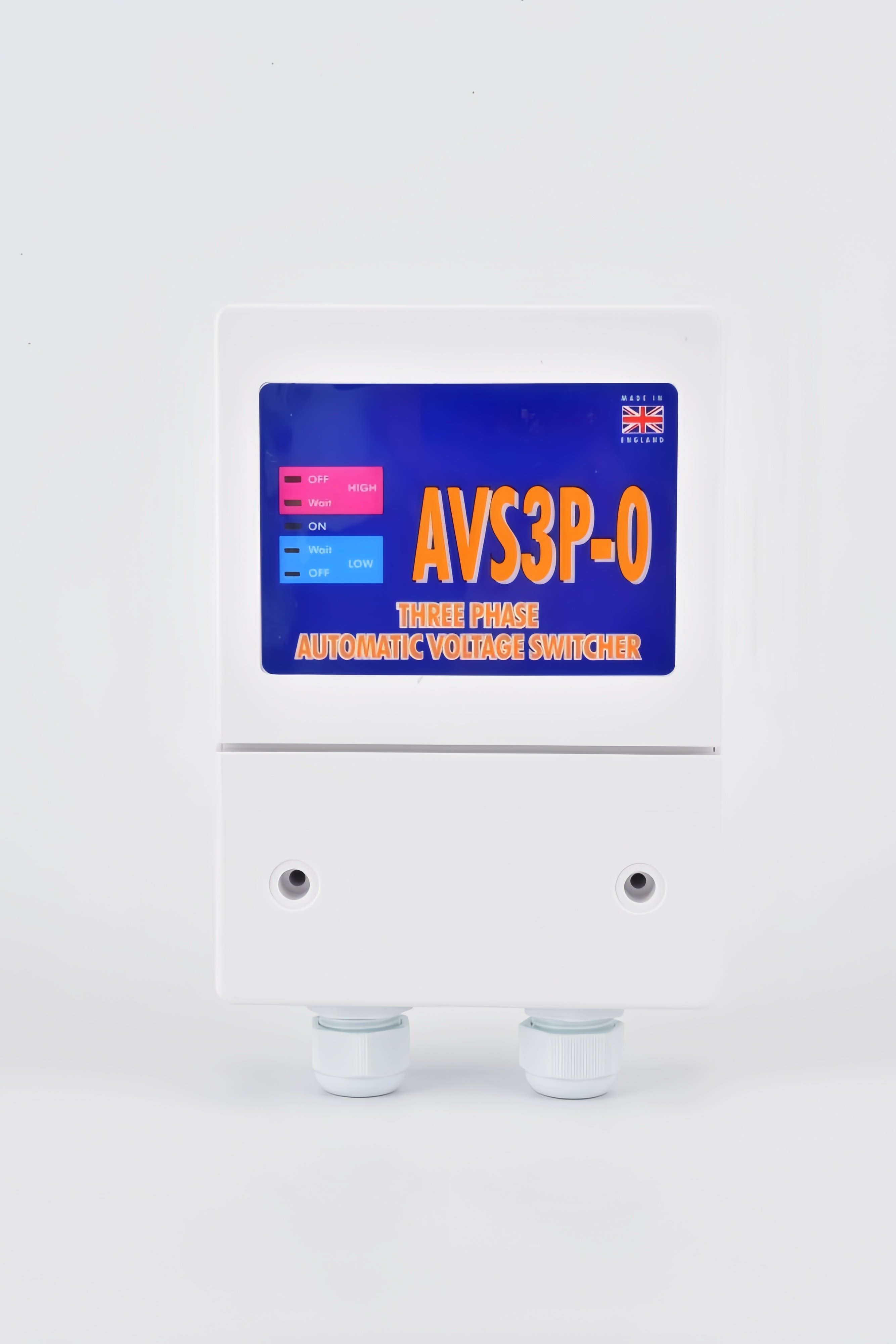
A whole-house voltage protector works by continuously monitoring the incoming supply voltage and disconnecting the load whenever voltage levels drift outside of safe operating thresholds. Unlike individual plug-in surge protectors that cover a single outlet or appliance, a centrally installed voltage protector provides system-wide coverage that safeguards every connected device simultaneously. This guide walks through the complete installation process, from selecting the right unit and gathering tools to wiring, testing, and ongoing maintenance, so you can complete this project with confidence and competence.
A voltage protector is a relay-based or electronic device designed to monitor the real-time voltage level of the incoming power supply and disconnect the downstream load when that voltage rises above or falls below factory-set or user-adjustable thresholds. In a residential application, this means the device sits between the utility meter and your home's internal wiring, acting as a vigilant gatekeeper. When voltage returns to a safe range, the voltage protector waits for a user-defined time delay before reconnecting power, ensuring the anomaly has fully resolved before appliances are re-energized.
This time-delay feature is particularly valuable for compressor-based appliances such as refrigerators and air conditioning units, which can sustain serious mechanical damage if they restart too quickly after a voltage event. Most modern digital voltage protector models display live voltage readings on an LED or LCD screen, giving homeowners real-time insight into the quality of their electrical supply. The combination of automatic protection and visual monitoring makes a whole-house unit far more comprehensive than any single-device solution.
Point-of-use plug-in protectors offer convenience but leave dozens of circuits and hardwired appliances completely unprotected. A voltage protector installed at the main panel covers every outlet, every light fixture, every hardwired appliance, and every circuit simultaneously. This is especially critical for equipment like HVAC systems, water heaters with electronic controls, smart home devices, and built-in kitchen appliances that cannot be plugged into individual surge strips.
In regions where grid voltage fluctuates frequently due to aging infrastructure, industrial load switching, or severe weather events, relying on point-of-use solutions alone leaves significant risk exposure. A centrally positioned voltage protector eliminates that vulnerability at the source, providing a single line of defense that covers the entire household electrical system with one installation effort.
Before purchasing a voltage protector, you must determine your home's supply voltage standard, amperage requirements, and the physical space available in or near the main distribution panel. In North American households, the standard supply is typically 120V single-phase or 240V split-phase. Many modern voltage protector units are designed for 120V or 220–240V applications, so confirming your local supply standard is the first specification to verify.
Next, calculate the total amperage load of your home or select a unit rated at or above your main breaker capacity. A voltage protector rated at 63A, 80A, or 100A must be matched to the appropriate service size to avoid nuisance tripping or thermal overload. Check the device's IP rating if it will be installed in a garage or utility area with potential moisture exposure, and confirm that the unit includes adjustable overvoltage and undervoltage trip points so you can fine-tune protection to your specific grid conditions.
Installing a voltage protector involves working in close proximity to live electrical infrastructure, which demands proper safety preparation. Before starting, gather a flat-head and Phillips screwdriver, wire strippers, a non-contact voltage tester, appropriately rated electrical wire (typically 10 AWG to 6 AWG depending on amperage), wire connectors or terminal ferrules, a DIN rail mount or dedicated enclosure if required, and a circuit breaker of the correct amperage to protect the device's input side.
Personal protective equipment should include insulated gloves rated for your supply voltage, safety glasses, and non-conductive footwear. Always use a non-contact voltage tester to verify that circuits are de-energized before touching any conductors. Having a second person present during the installation of a whole-house voltage protector is strongly advised, particularly when working inside the main panel where multiple live busbars may be present even after the main breaker is switched off.
The first physical step in installing a whole-house voltage protector is to turn off the main breaker inside your distribution panel. Note that in most residential panels, the main breaker disconnects the circuit breakers but the incoming service conductors from the utility meter remain energized. If your installation requires working upstream of the main breaker, contact your utility provider to arrange a temporary service disconnect. Never assume any conductor is de-energized without testing it with a verified non-contact voltage tester.
Once the panel is safely de-energized at the breaker level, identify the installation point for the voltage protector. Most whole-house units are wired in series with the main supply line, meaning the incoming live and neutral conductors pass through the device before reaching the main busbar. Select a mounting location with adequate clearance for the device's terminals, display screen, and any required air circulation. Secure the unit to a DIN rail inside the panel or mount it in a dedicated surface-mount enclosure adjacent to the panel if internal space is insufficient.
With the voltage protector securely mounted, begin wiring the input terminals. Connect the incoming live (line) conductor from the utility side to the device's input terminal, typically labeled L1 or LINE. Connect the neutral conductor to the neutral input terminal labeled N. For split-phase 240V systems, you will connect both L1 and L2 line conductors to their respective input terminals on the voltage protector.
Next, connect the output terminals of the voltage protector to the main busbar conductors that feed the rest of the panel. These output terminals are typically labeled LOAD or OUT. Ensure all wire connections are firmly tightened to the manufacturer's specified torque values to prevent resistance heating at the terminals. After completing the main wiring, connect the ground conductor according to the device's wiring diagram, as proper grounding is critical for both protection performance and personal safety. Review the completed wiring against the manufacturer's diagram before proceeding to power-up.
Most digital voltage protector models allow users to adjust the overvoltage trip point, the undervoltage trip point, and the reconnect time delay via front-panel buttons or a rotary selector. Standard factory settings typically trip at overvoltage above 250V and undervoltage below 190V for 220V supply systems, but these values should be adjusted to suit your specific grid characteristics. If your utility supply consistently runs at 215V or 225V, setting the undervoltage threshold accordingly will prevent nuisance trips during normal minor fluctuations.
The reconnect time delay on a quality voltage protector is typically adjustable from 5 seconds to 5 minutes or more. For homes with refrigeration equipment or air conditioning, a minimum reconnect delay of 3 minutes is recommended by most appliance manufacturers to allow compressor pressure to equalize before restart. Configure this setting before restoring power so that your protection parameters are active from the first moment the device is energized. Document your chosen settings for future reference and post-maintenance verification.
With all wiring complete and protection thresholds configured, restore power by switching on the main breaker. The voltage protector should illuminate its digital display and show the live supply voltage reading within a few seconds. Verify that the displayed voltage corresponds to a known-accurate reading from a calibrated multimeter to confirm the device's voltage sensing accuracy. Once the configured reconnect delay has elapsed, the output relay should close and power should be restored to all downstream circuits.
Walk through the home to confirm that all circuits and appliances are receiving power normally. Check hardwired appliances, lighting circuits, and any dedicated circuits for HVAC or water heating equipment. If any circuit fails to energize, verify that the voltage protector output relay has engaged and that no downstream circuit breaker has tripped independently. A properly installed whole-house voltage protector should be functionally transparent during normal grid conditions, with no measurable impact on appliance performance or supply quality.
After confirming normal operation, consider performing a basic validation test to confirm the voltage protector responds correctly to out-of-range voltage conditions. One practical method involves temporarily lowering the undervoltage trip threshold to a value slightly below the current supply voltage, which should trigger the device to disconnect the load and start the reconnect delay countdown. Observe whether the display indicates a fault condition and whether all downstream circuits lose power as expected.
Once the test is complete, restore the correct threshold settings and allow the reconnect delay to complete before full normal operation resumes. This validation step confirms that the relay mechanism inside the voltage protector is functional and that the wiring is correct end-to-end. Record the test result and date in a maintenance log to establish a baseline reference for future inspections and to demonstrate due diligence in electrical safety management.
A voltage protector installed at the main panel requires relatively minimal ongoing maintenance, but periodic inspections are important for long-term reliability. At least once a year, switch off the main breaker, verify that all terminal connections remain tight using a torque screwdriver, and inspect the device housing for signs of discoloration, burning, or physical damage that might indicate thermal stress or internal component wear. Clean the display surface and ventilation areas with a dry cloth to prevent dust accumulation, which can impair heat dissipation in high-load installations.
Check the accuracy of the voltage display periodically by comparing it against a calibrated multimeter reading. A drift of more than 2–3 volts from the actual supply voltage may indicate a need for recalibration or component replacement. Most quality voltage protector units have operational lifespans of 10 or more years under normal conditions, but relay contacts can experience wear if the device trips frequently due to chronic grid instability, and periodic relay function testing ensures the device remains capable of protecting your home effectively.
One of the most frequent installation mistakes is under-sizing the voltage protector relative to the total service amperage, which can cause the device to overheat or fail prematurely under heavy load conditions. Always select a unit with an amperage rating equal to or greater than your main breaker to ensure the device can handle peak household demand without stress. Using undersized wire gauge for the input and output conductors is an equally serious error that creates resistance heating and potential fire risk at the terminal connections.
Improper grounding is another common oversight that compromises both the protection performance and the personal safety function of the voltage protector. Ensure the ground conductor is connected to the device's ground terminal as specified in the wiring diagram and that it is bonded to the main panel's ground busbar with appropriate wire gauge. Additionally, failing to configure the reconnect time delay before commissioning means appliances may restart immediately after a voltage event, potentially causing the compressor or motor damage the voltage protector was installed to prevent in the first place.
While experienced DIY homeowners with solid electrical knowledge can install a voltage protector, the task involves working inside a main distribution panel where serious shock hazards exist. In many jurisdictions, any modifications to the main panel require a licensed electrician and may need to pass a local electrical inspection. It is strongly recommended to hire a qualified electrician if you are not fully comfortable working with main service conductors, particularly in systems where utility service conductors remain energized even after the main breaker is off.
A whole-house voltage protector is installed in series with the main supply feed, meaning it sits between the incoming utility conductors and the main distribution busbar. Depending on panel space and device form factor, it may be mounted on a DIN rail inside the panel enclosure or in a separate surface-mounted enclosure directly adjacent to the panel. The key requirement is that all household circuits receive power through the output side of the voltage protector so that the entire home benefits from the protection it provides.
Most digital voltage protector units provide continuous visual feedback through an LED or LCD display showing live supply voltage, relay status, and fault indicators. If the display shows voltage within the configured normal range and the output relay indicator shows a connected state, the device is actively monitoring and protecting your circuits. Some models also include event logging features that record the date, time, and voltage level of any trip events, giving you a historical record of protection activity.
A quality whole-house voltage protector typically lasts 10 to 15 years under normal operating conditions with periodic maintenance. However, in environments with chronic grid instability where the device trips frequently, relay contact wear may shorten the operational lifespan. Signs that a voltage protector may need replacement include inaccurate voltage display readings, failure to trip during a known overvoltage or undervoltage event, physical signs of heat damage, or relay chattering during normal supply conditions. Annual inspections help identify these warning signs before a failure leaves your home's electrical system unprotected.

 EN
EN