Modern manufacturing environments are complex ecosystems where electrical systems form the backbone of every operation. From precision CNC machines to large industrial motors, every piece of equipment depends on stable, consistent power to function correctly. When that power supply becomes erratic, the consequences can range from minor inefficiencies to catastrophic equipment failures. This is precisely why voltage protection has become a non-negotiable standard in factories around the world, serving as the first and most critical line of defense against electrical instability.
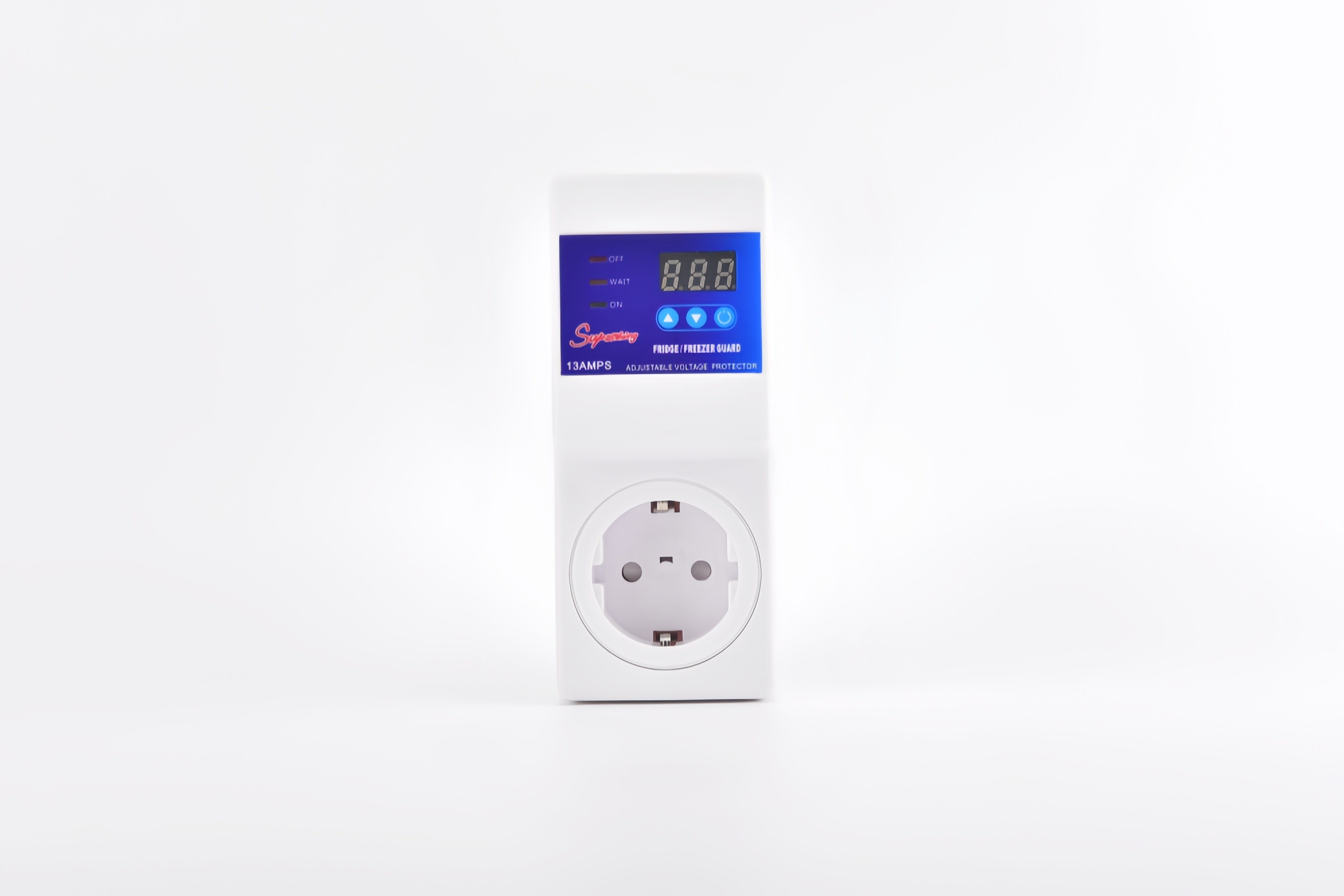
The reliance on voltage protection is not simply a matter of regulatory compliance or cautious engineering practice. It represents a deeply practical business decision that affects equipment longevity, production continuity, worker safety, and the overall financial health of an industrial facility. Understanding why factories place such emphasis on voltage protection requires a close look at the real-world electrical challenges they face daily and the measurable impact that proper protective measures deliver over time.
Industrial facilities draw enormous amounts of electrical power simultaneously across dozens or even hundreds of machines. This high demand environment creates an inherently unstable power landscape where voltage levels can fluctuate significantly within short periods. When heavy equipment starts up or shuts down, it generates electrical disturbances that ripple through the shared power infrastructure. Without voltage protection, every connected machine is exposed to these disturbances in real time.
Voltage fluctuations in factories are not occasional anomalies but regular occurrences tied to normal operational cycles. The motors driving conveyor belts, compressors powering pneumatic systems, and welding equipment all contribute to an environment where clean, stable power is difficult to guarantee. Sensitive control systems and programmable logic controllers are particularly vulnerable to these swings because they require precise input voltages to execute their functions reliably. Even a brief deviation from the acceptable voltage range can cause a controller to reset, lose its program state, or misinterpret sensor data.
Consistent voltage protection solutions monitor the incoming power supply continuously and respond within milliseconds to detected anomalies, isolating connected equipment before damage can occur. This rapid response capability is what distinguishes dedicated protective devices from the basic circuit breakers that factories already use for overcurrent scenarios.
Overvoltage and undervoltage represent two distinct but equally damaging threats that factory managers must address. Overvoltage occurs when the supply voltage rises above the rated maximum for connected equipment. This excess electrical energy generates additional heat inside motors, transformers, and electronic components, accelerating insulation breakdown and shortening operational lifespan dramatically. In severe cases, overvoltage can cause immediate component failure or even fire.
Undervoltage presents a different but comparably serious problem. When motors attempt to operate at below-rated voltages, they draw significantly higher currents to maintain their output torque. This overcurrent condition stresses motor windings and generates excess heat, leading to premature failure of the motor or its associated drive components. Production lines that rely on consistent motor speed for quality control purposes also suffer output degradation when undervoltage goes uncorrected. A proper voltage protection system addresses both ends of the spectrum, not just one.
By deploying voltage protection devices at key points in the electrical infrastructure, factories ensure that equipment receives power only when the supply voltage falls within a safe operating window. When the voltage strays outside this window, the protector disconnects the load automatically and reconnects it only after confirming that stable conditions have returned.
Electric motors represent one of the largest capital investments in any factory. Industrial motors power pumps, fans, compressors, mixers, and conveyor systems, often running continuously for extended shifts. The cumulative exposure to unregulated voltage conditions can silently degrade motor performance over weeks and months before a catastrophic failure makes the damage visible. Voltage protection interrupts this degradation cycle by ensuring motors are never exposed to conditions that accelerate internal wear.
Beyond preventing immediate damage, voltage protection contributes to predictable maintenance planning. When motors operate consistently within their design parameters, their failure modes become more predictable and manageable. Maintenance teams can schedule planned downtime rather than responding to emergency breakdowns that halt production unexpectedly. This shift from reactive to proactive maintenance represents a tangible operational advantage that directly reduces costs over time.
In multi-motor production lines where a single failure cascades into broader stoppages, the value of voltage protection multiplies significantly. Protecting each motor individually ensures that voltage events affecting one section of the facility do not trigger a domino effect across interconnected systems.
Modern factories rely heavily on electronic control systems including PLCs, variable frequency drives, human-machine interfaces, and industrial computers. These systems contain sensitive microprocessors and memory components that are far more vulnerable to voltage irregularities than traditional electromechanical equipment. A voltage spike lasting mere microseconds can corrupt stored programs, damage input and output cards, or permanently destroy processor boards.
The cost of replacing a damaged PLC is not limited to the hardware price tag. Configuration, programming, and recalibration of the replacement unit requires skilled technicians and takes the production line offline for hours or days. In industries with tight delivery schedules or just-in-time manufacturing commitments, even a single unplanned downtime event can trigger contractual penalties and damage customer relationships. Voltage protection eliminates the root cause of these failures before they escalate.
Factories that have invested in automation infrastructure understand that voltage protection is essentially the insurance policy for their automation investment. The cost of protective devices is minimal compared to the replacement and productivity costs associated with unprotected control system failures.
Every minute of unplanned downtime in a factory represents lost revenue and missed production targets. When voltage events damage equipment or trigger system faults, the restoration process involves fault diagnosis, component sourcing, repair or replacement, and system testing before production can resume. This process rarely takes less than a few hours and often extends to days when specialized components must be ordered. Voltage protection prevents these events at their origin, keeping production lines running without interruption.
Factories operating in competitive industries understand that delivery reliability is as important as product quality. Customers expect consistent lead times and on-time shipments. A single voltage-related machine failure can disrupt an entire production schedule, forcing costly overtime or emergency subcontracting to recover. By investing in comprehensive voltage protection, factory operators build a more resilient production environment that honors commitments without relying on contingency plans.
The financial case for voltage protection becomes even stronger when factoring in the cumulative effect of near-miss events that degrade equipment performance without causing outright failure. These partial degradations increase energy consumption, reduce output quality, and accelerate replacement cycles in ways that are difficult to attribute to any single cause but cumulatively represent significant cost.
Regulatory frameworks governing industrial electrical installations in many markets require protective measures against voltage irregularities. Compliance with these standards is not optional, and factories that fail to maintain proper voltage protection infrastructure may face inspection failures, operational shutdowns, or liability exposure in the event of equipment-related incidents. Staying current with electrical safety requirements is therefore both a legal obligation and a sound risk management practice.
Industrial insurance policies increasingly scrutinize the electrical safety measures in place at manufacturing facilities. Facilities with documented voltage protection systems may qualify for more favorable premium rates and face fewer complications in claims processing when electrical events occur. Insurers recognize that protected facilities present lower risk profiles because they have taken proactive steps to mitigate foreseeable electrical hazards.
Worker safety is another dimension of the compliance picture. Electrical faults triggered by voltage irregularities can create arc flash events or equipment short circuits that put personnel at risk. Voltage protection devices that quickly isolate faulted equipment reduce the duration and severity of electrical hazards in the workspace, contributing to a safer environment for everyone on the factory floor.
Effective voltage protection begins with selecting devices that are appropriately rated for the specific application. Factories must consider the nominal supply voltage, the acceptable operating voltage range for connected equipment, the response time of the protective device, and the reconnection delay that allows transient disturbances to clear before power is restored. Devices that reconnect too quickly may expose equipment to repeated fault conditions, while those with excessively long delays may disrupt production unnecessarily.
Load characteristics also influence device selection. Equipment with high inrush currents during startup requires protective devices that can distinguish between normal startup transients and genuine fault conditions. Mismatched protection can lead to nuisance tripping that interrupts production without any actual voltage threat being present. Matching the voltage protection device to the load profile of each machine ensures reliable operation without false positives.
Durability and environmental suitability are equally important. Factory environments often involve elevated temperatures, vibration, moisture, and dust. Protective devices must be rated for the specific environmental conditions of their installation location to maintain reliable operation over their service life. Substandard or incorrectly specified devices may fail precisely when they are most needed, defeating the purpose of the investment in voltage protection.
Factories rarely implement voltage protection on a single machine in isolation. The most effective approach involves a layered strategy where protection is applied at the distribution board level to cover entire production zones and then reinforced at the individual machine level for critical or high-value equipment. This tiered architecture ensures broad coverage while providing concentrated protection where the financial consequences of failure are greatest.
Documenting the voltage protection infrastructure is an important practice that supports maintenance, auditing, and future expansion. When electrical engineers and maintenance technicians have clear records of where protective devices are installed, how they are configured, and when they were last inspected, they can manage the system more effectively and identify gaps before problems arise.
As factories upgrade their equipment or expand production capacity, their voltage protection strategy should evolve in parallel. New machinery often has different voltage sensitivity profiles than older equipment, and the added load may change the power quality dynamics of the facility. Regular reassessment of protection coverage ensures that the investment continues to deliver its intended benefits as the factory evolves.
The primary function of voltage protection in a factory is to monitor the incoming supply voltage continuously and disconnect electrical loads whenever the voltage rises above or falls below the safe operating range of connected equipment. By doing so, it prevents overvoltage and undervoltage conditions from causing heat buildup, insulation damage, control system faults, or immediate component failure. Once stable voltage is confirmed, the device restores the power connection automatically.
A standard circuit breaker is designed to respond to overcurrent conditions, where excessive current flow threatens to damage wiring or cause fire. Voltage protection devices, by contrast, respond to voltage level deviations regardless of current magnitude. A machine can be drawing perfectly normal current while receiving damaging voltage, a scenario that a circuit breaker would not detect but a dedicated voltage protection device would handle immediately. The two devices serve complementary but distinct protective functions.
Even factories with seemingly stable utility supplies experience internal voltage disturbances generated by their own equipment during startup, shutdown, and load-switching events. The utility supply may be stable at the point of entry but significantly less stable at the machine terminals after passing through shared internal distribution systems. Voltage protection addresses this localized instability and also guards against utility supply anomalies during grid disturbances, storms, or switching operations by the utility provider.
Inspection frequency depends on the operating environment and the manufacturer's specifications for each device. In general, voltage protection devices installed in harsh industrial environments should be inspected at least annually to verify that connection points remain secure, indicator functions operate correctly, and the device responds within its specified parameters. Devices that have operated in particularly severe conditions or have registered multiple trip events should be evaluated more frequently to confirm they retain their full protective capability.

 EN
EN