In modern industrial environments, unplanned electrical failures can result in costly downtime, damaged equipment, and serious safety hazards. A voltage protector serves as a critical line of defense against the electrical anomalies that frequently occur in factory settings. From sudden voltage surges caused by lightning to gradual under-voltage conditions that stress motor windings, the threats to industrial electrical systems are both varied and persistent. Understanding how a voltage protector works—and why it is indispensable in a factory environment—can help engineers and facility managers make better decisions about their electrical infrastructure.
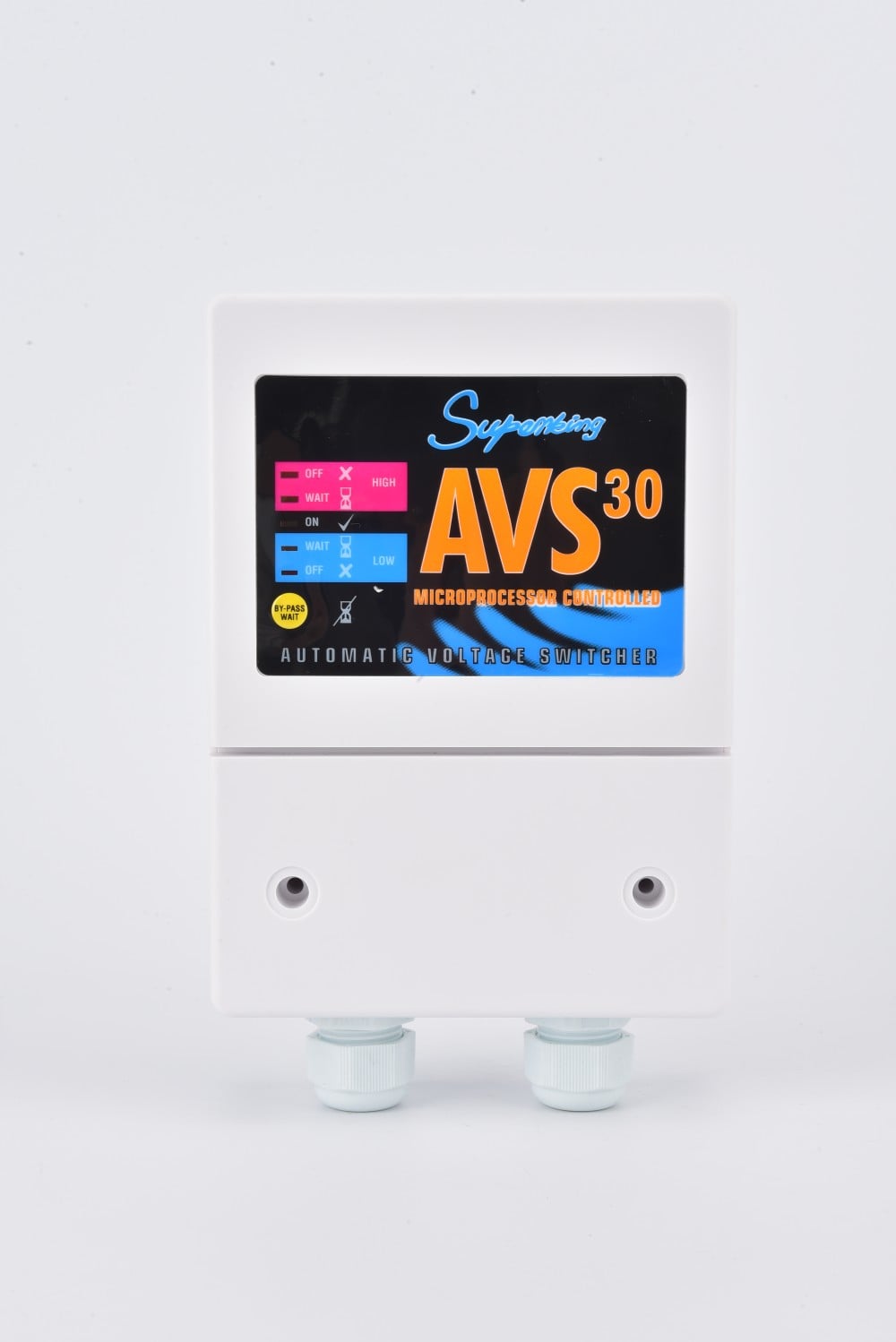
The role of a voltage protector extends far beyond simple on/off switching. It continuously monitors the incoming supply voltage, compares it against pre-configured thresholds, and responds automatically when those thresholds are breached. In a factory where dozens of machines operate simultaneously and the electrical load fluctuates constantly, having a reliable voltage protector installed can mean the difference between seamless production and a costly, dangerous electrical failure. This article explores the mechanisms, benefits, and deployment strategies of voltage protectors in industrial facilities.
A voltage protector operates by continuously sampling the AC supply line at high frequency. The internal sensing circuit measures the real-time RMS voltage and compares it against the upper and lower threshold values that have been programmed by the operator. This comparison happens many times per second, which allows the device to detect transient anomalies that might last only a few milliseconds. In a factory environment, this level of vigilance is essential because voltage events can be extremely brief yet still damaging.
When the measured voltage falls outside the acceptable range, the voltage protector initiates a trip signal to its internal relay or output circuit. This signal disconnects the protected load from the power supply before damage can occur. Most industrial-grade devices include an adjustable time delay before reconnection, which prevents repeated cycling when the supply voltage is unstable. This automatic re-engagement feature also reduces the burden on maintenance personnel who would otherwise need to manually reset tripped protection devices after each voltage event.
The sensing accuracy of a high-quality voltage protector is typically within one percent of the actual supply voltage, ensuring that the device does not nuisance-trip under normal operating variations while still responding decisively to genuine faults. This precision is particularly important in factories where voltage tolerances for sensitive equipment such as programmable logic controllers and servo drives are tightly specified by the original equipment manufacturer.
Two of the most common threats that a voltage protector guards against are overvoltage and under-voltage conditions. Overvoltage occurs when the supply voltage rises above the rated level, which can happen during load shedding on the utility grid, capacitor bank switching, or when large inductive loads are suddenly disconnected from the factory's internal distribution system. Sustained overvoltage accelerates insulation degradation in motors and transformers and can permanently damage electronic control boards.
Under-voltage, sometimes called brownout, is equally destructive. When supply voltage drops below the nominal level, electric motors must draw higher currents to maintain their mechanical output, which generates excess heat. Over time, this thermal stress causes winding failure. A properly configured voltage protector will disconnect the motor circuit before the under-voltage condition can progress to a damaging thermal event. This is especially important in factories that operate large compressors, conveyor drives, and pumping systems that are critical to production continuity.
Modern voltage protector devices often allow independent adjustment of both the overvoltage trip point and the under-voltage trip point, giving facility engineers precise control over the protection envelope. In some industrial applications, the acceptable voltage window may be tighter than the standard utility specification, so being able to set custom thresholds adds significant operational value.
Voltage surges are one of the most destructive electrical events in a factory. They can originate externally from grid disturbances or internally from the switching of large motors and capacitor banks within the facility. When a surge travels through the electrical distribution network, it can reach connected equipment in microseconds. A voltage protector with a fast-response relay can isolate sensitive loads before the full energy of the surge is delivered, significantly reducing the probability of component failure.
In practice, the voltage protector acts as an automated gatekeeper for each protected circuit. Once it detects a voltage anomaly exceeding the upper threshold, it opens the circuit path. This rapid isolation prevents the high-voltage event from stressing the insulation of motor windings, damaging the gate junctions of power semiconductors in variable frequency drives, or corrupting the volatile memory of programmable controllers. The financial value of this protection becomes immediately apparent when one considers the replacement cost and lead time for high-value industrial components.
Factories that operate in regions with unstable utility infrastructure see disproportionately high rates of equipment failure if they lack adequate voltage protector coverage. Implementing protection at the distribution board level, as well as at individual machine control panels, creates a layered defense that is far more effective than relying solely on the utility company to supply clean, stable voltage.
Electric motors are among the most vulnerable assets in a factory when it comes to voltage-related stress. A voltage protector specifically designed for motor circuits monitors not only voltage magnitude but also the rate and duration of voltage deviations. When a motor is subjected to prolonged under-voltage, the torque it can produce decreases, but the current it draws increases substantially. This imbalanced condition can cause the stator windings to overheat within minutes.
By disconnecting the motor circuit the moment the supply voltage drops below a safe operating threshold, the voltage protector stops the thermal runaway process before irreversible damage occurs. After the utility supply stabilizes, the device waits for a pre-set time delay—typically adjustable from a few seconds to several minutes—before reconnecting the motor. This delay allows the motor to cool and ensures that the reconnection happens into a stable voltage environment rather than back into an ongoing disturbance.
The economic justification for fitting a voltage protector to every major motor circuit in a factory is straightforward. The cost of rewinding or replacing a large industrial motor can be tens of thousands of dollars, plus the production loss during the repair period. In contrast, a good-quality voltage protector for motor protection is a fraction of that cost and can prevent multiple failure events over its service life.
The effectiveness of a voltage protector depends heavily on where it is installed within the factory's electrical hierarchy. At the highest level, a main incoming protection device can monitor the entire facility's supply and disconnect all downstream loads during extreme grid events. At the sub-distribution level, individual voltage protector devices can be assigned to specific production zones, protecting groups of machines without affecting the rest of the facility. At the machine level, panel-mounted devices provide the finest granularity of protection.
A common engineering practice is to install a voltage protector at each major control panel where sensitive electronic equipment is present. This includes CNC machine control cabinets, injection molding machine controllers, and robotic welding cell panels. By placing protection as close to the load as possible, engineers minimize the risk of voltage disturbances that originate within the factory wiring reaching critical control components.
When planning the installation layout, it is important to account for the current rating of each voltage protector relative to the maximum load current of the circuit it protects. An undersized device may not handle the fault current safely, while an oversized device may not provide accurate voltage sensing at low load levels. Matching the device rating to the circuit requirements is a fundamental step in effective electrical protection design.
Configuring a voltage protector correctly is as important as choosing the right device. The overvoltage trip threshold should be set slightly above the highest voltage that the connected equipment can tolerate continuously, while the under-voltage trip threshold should be set at the lowest voltage at which the equipment can still operate reliably. For most industrial equipment, these values are specified in the technical documentation provided by the equipment manufacturer.
The time delay before trip, and the time delay before reconnection, must also be calibrated to the specific application. A very short trip delay maximizes equipment protection but may cause nuisance tripping during brief, harmless voltage dips. A longer trip delay provides more stability but leaves equipment exposed to damaging conditions for a longer period. An experienced electrical engineer will balance these parameters based on the sensitivity of the protected load and the typical voltage profile of the factory supply.
Regular verification of threshold settings is also recommended as part of the preventive maintenance program for any factory that relies on a voltage protector for critical equipment protection. Over time, utility supply characteristics can change, and what was an appropriate threshold setting when the device was first commissioned may need to be revised. This attention to calibration ensures that the voltage protector continues to deliver its designed level of protection throughout its service life.
One of the most quantifiable benefits of implementing a voltage protector program across a factory is the reduction in unplanned downtime. When electrical failures occur without protection in place, the resulting damage often requires emergency maintenance, expedited parts procurement, and extended repair periods. Each of these factors drives up both direct costs and indirect costs from lost production. A voltage protector interrupts this chain of events at the earliest possible point.
Factories that have deployed systematic voltage protector coverage across their critical circuits consistently report lower rates of electrical component replacement, reduced maintenance labor hours, and fewer production interruptions attributed to electrical causes. These improvements translate directly into better equipment utilization rates and stronger overall plant efficiency metrics. For facility managers who are measured on uptime and maintenance cost per unit of production, a voltage protection program delivers clear and defensible return on investment.
Beyond direct financial impact, the operational predictability that a voltage protector enables is also valuable. When maintenance teams know that equipment is shielded from voltage-induced failures, they can plan preventive maintenance on a scheduled basis rather than reacting to emergency breakdowns. This shift from reactive to proactive maintenance is a fundamental goal in lean manufacturing environments.
Electrical safety is a regulatory requirement in every jurisdiction where industrial facilities operate, and a voltage protector contributes directly to meeting those requirements. When a voltage fault occurs, the risk of electrical fire, equipment explosion, or arc flash increases substantially. The automatic isolation function of a voltage protector removes the energy source before these secondary hazards can develop, protecting both personnel and property.
In environments where workers operate in close proximity to electrical equipment—such as machine assembly floors, packaging lines, and automated warehousing systems—the automatic response of a voltage protector is faster and more reliable than any human intervention could be. Workers do not need to recognize that a voltage anomaly is occurring and take manual action; the device responds within its programmed time window regardless of whether anyone is present or paying attention to the equipment at that moment.
From a compliance perspective, documenting the installation of voltage protector devices as part of the factory's electrical safety management system can also support audit readiness and insurance requirements. Demonstrating that systematic protection is in place for electrical assets shows due diligence and may favorably influence both regulatory assessments and insurance premium calculations for industrial property coverage.
A surge protector is designed primarily to absorb or divert brief, high-energy transients that last microseconds to milliseconds, typically using metal oxide varistors or similar clamping components. A voltage protector, on the other hand, monitors the continuous supply voltage level and disconnects the load when the voltage stays outside acceptable limits for a defined period. In a factory, both types of protection serve complementary roles, with the voltage protector addressing sustained overvoltage and under-voltage conditions that surge protectors are not designed to handle.
The need for a voltage protector on a specific circuit depends on the sensitivity and replacement cost of the connected equipment, the stability of the local utility supply, and the consequences of an unplanned failure in that circuit. Circuits serving expensive machinery, automated control systems, or safety-critical processes should always be protected. A power quality audit, which involves recording voltage levels over several days or weeks, can reveal whether your facility experiences frequent voltage anomalies that would justify broader voltage protector deployment.
Yes, three-phase voltage protector devices are widely available and are specifically designed for industrial three-phase power systems. These devices monitor all three phases simultaneously and can detect not only overvoltage and under-voltage conditions but also phase loss, phase asymmetry, and phase sequence errors—all of which can damage three-phase motors and drives if left unaddressed. Selecting a three-phase voltage protector that matches the specific voltage and current ratings of the industrial circuit is essential for reliable protection.
Best practice in industrial electrical maintenance is to functionally test a voltage protector at least once per year as part of a scheduled preventive maintenance program. Testing involves simulating an out-of-range voltage condition to verify that the device trips correctly and reconnects after the delay period. The device should also be visually inspected for signs of thermal stress or contact degradation. Most industrial-grade voltage protector devices have service lives of several years under normal operating conditions, but devices installed in harsh environments with high ambient temperatures or frequent cycling may need replacement sooner.

 EN
EN