Every household depends on a steady, reliable flow of electricity to power appliances, lighting, and essential systems. Yet the electrical grid is far from perfect — voltage fluctuations, surges, and sudden drops are common events that silently threaten the safety and longevity of everything plugged into your home's outlets. This is precisely why over voltage under voltage load protection has become a critical consideration for modern families who want to safeguard their investments and ensure their home environment remains safe.
The consequences of inadequate voltage management at home range from minor inconveniences like flickering lights to catastrophic outcomes such as appliance burnout, electrical fires, and even personal injury. Understanding why families need over voltage under voltage load protection — and how it works to prevent these outcomes — empowers homeowners to make smarter, proactive decisions about their electrical infrastructure. This article breaks down the core reasons, mechanisms, and benefits that make this type of protection essential for every household.
Overvoltage occurs when the electrical supply exceeds the rated voltage that appliances are designed to handle. For most residential systems, this means electricity flowing at levels significantly above the standard 110V or 220V threshold. When appliances such as refrigerators, air conditioners, washing machines, and televisions are exposed to excess voltage, their internal components experience thermal stress that accelerates wear and can cause immediate failure.
The insulation on wiring and electronic components begins to degrade rapidly under sustained overvoltage conditions. Capacitors, transformers, and motor windings are especially vulnerable, often suffering irreversible damage after just a single high-voltage event. Without over voltage under voltage load protection installed at the circuit level, families have no automated defense against these harmful surges.
Beyond appliance damage, overvoltage is a recognized fire hazard. Overheated wiring within walls can smolder undetected for hours before igniting. This makes the investment in over voltage under voltage load protection not just a financial decision, but a critical home safety measure that protects lives as much as property.
While overvoltage is the more dramatic threat, undervoltage — where the supply drops below the minimum required operating level — causes its own category of harm. Motors in appliances like refrigerators, pumps, and air conditioning units draw significantly more current when voltage is low, generating excess heat in an attempt to maintain their rated output power.
This increased current draw under low voltage conditions causes motor windings to overheat, leading to premature burnout that often voids manufacturer warranties. In many cases, homeowners don't realize their appliance failed due to chronic undervoltage because the damage happens gradually over weeks or months. Implementing over voltage under voltage load protection interrupts the power supply automatically when voltage drops below safe thresholds, preventing this cumulative damage.
Electronic devices such as computers, smart televisions, and home automation systems are equally at risk from undervoltage. These devices rely on stable voltage for their internal power supplies to function correctly. Voltage that is too low can cause erratic behavior, data corruption, and hardware damage — all of which are entirely preventable with proper over voltage under voltage load protection in place.
At its core, over voltage under voltage load protection operates through continuous real-time monitoring of the incoming voltage supply. An embedded sensing circuit constantly measures the line voltage and compares it against preset upper and lower threshold values. The moment the supply goes outside these boundaries, the protection device triggers an automatic disconnection of the load circuit.
This disconnection happens within milliseconds to seconds depending on the device's configuration, which is fast enough to prevent the vast majority of appliance damage scenarios. Once the supply voltage returns to a safe operating range and remains stable for a defined delay period, the device reconnects power automatically — restoring normal household operation without requiring manual intervention. This automation is one of the strongest reasons families benefit from over voltage under voltage load protection.
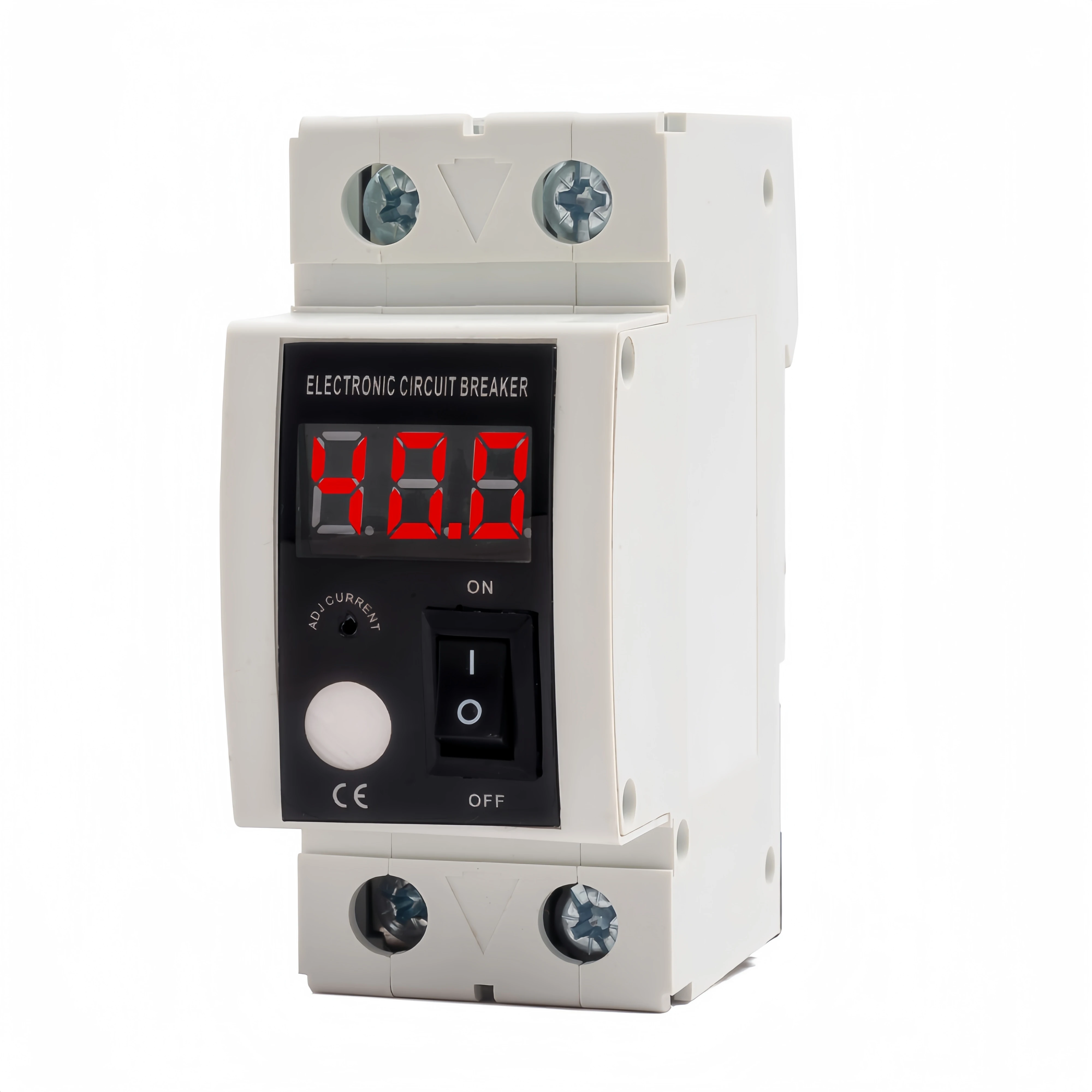
Modern protection devices also incorporate adjustable threshold settings, allowing homeowners or electricians to configure voltage cut-off points according to the specific requirements of their local grid conditions and the sensitivity of their appliances. A solution like the over voltage under voltage load protection device with adjustable current settings brings exactly this kind of flexibility to residential electrical systems, making it suitable for a wide range of household configurations.
Beyond simple voltage monitoring, advanced over voltage under voltage load protection devices also manage load current. Overcurrent conditions — where too much current is drawn through the circuit — are another common source of appliance damage and fire risk in homes. Devices that integrate both voltage and current protection offer a comprehensive safety net that a standard circuit breaker alone cannot provide.
The smart disconnection feature ensures that when an abnormal electrical condition is detected, the system doesn't simply cut power abruptly in a way that could itself cause damage to sensitive electronics. Instead, the interruption sequence is managed to reduce transient spikes that can sometimes accompany sudden disconnections. This level of intelligent control is what separates modern over voltage under voltage load protection from older, simpler surge protectors.
For families with home offices, medical equipment, or high-value entertainment systems, the current management capability of a quality protection device adds another layer of assurance. It means that not only are voltage anomalies being addressed, but the entire load condition is being evaluated continuously to ensure safe and efficient electrical delivery.
The financial logic for installing over voltage under voltage load protection at home is compelling. A single refrigerator, air conditioning unit, or washing machine represents a significant household investment, often ranging from several hundred to thousands of dollars. A single unprotected voltage surge or sustained undervoltage event can render any of these appliances inoperable, requiring costly repairs or complete replacement.
When you calculate the total value of all electrical appliances in a typical family home — including kitchen appliances, entertainment systems, HVAC equipment, and personal electronics — the cumulative replacement cost easily justifies the relatively modest expense of quality over voltage under voltage load protection. The protection device essentially functions as an insurance policy that activates automatically, offering continuous coverage without premiums or claims processes.
Families in regions where the electrical grid is less stable or where power quality is inconsistent due to seasonal demand fluctuations, infrastructure limitations, or frequent storms have even more reason to prioritize this protection. In these contexts, over voltage under voltage load protection is not a luxury — it is a practical necessity that directly prevents predictable financial losses.
The safety dimension of over voltage under voltage load protection extends well beyond appliance preservation. Electrical fires are one of the leading causes of residential fires globally, and voltage-related faults are a significant contributing factor. By automatically disconnecting the load when dangerous voltage conditions are detected, protection devices eliminate the risk of prolonged exposure to fault conditions that can ignite fires.
Families with young children or elderly members face heightened vulnerability if an electrical fault goes undetected. Children may not recognize warning signs such as burning smells, unusual appliance behavior, or warm outlets. Over voltage under voltage load protection removes the need for family members to identify and respond to electrical anomalies because the protection is fully automated and operates independently of human awareness.
Furthermore, the peace of mind that comes with knowing your home's electrical circuits are actively monitored and protected cannot be overstated. Families who travel frequently or leave their homes unoccupied for extended periods gain particular reassurance from having over voltage under voltage load protection installed, knowing that their property remains safeguarded in their absence.
Not all over voltage under voltage load protection devices are equal, and choosing the right one for your home requires understanding a few critical specifications. The voltage range of the device should be compatible with your local grid standard — whether that is 110V, 220V, or another regional variant. The protection thresholds should ideally be adjustable, so you can fine-tune the device's sensitivity to match your specific circumstances.
Current handling capacity is another essential specification. The device must be rated to handle the maximum load current of the circuit it protects without itself becoming a bottleneck or failure point. For whole-house protection, this typically means selecting a device with a high ampere rating that can safely carry the full household load. For individual high-consumption circuits, matching the device rating to the circuit's demand is equally important.
Response time — how quickly the device detects and responds to a fault condition — is a specification that directly impacts the level of protection offered. Faster response times generally mean better protection for sensitive electronic equipment. Look also for a reconnection delay feature that prevents the device from restoring power too quickly, which could expose appliances to repeated voltage anomalies if the grid hasn't fully stabilized.
Over voltage under voltage load protection devices are typically designed for installation at the distribution board or within the main electrical panel of a home. This placement ensures that protection covers all downstream circuits simultaneously, providing comprehensive coverage for the entire household with a single device. Professional installation by a licensed electrician is recommended to ensure the device is correctly wired and configured.
For renters or families who cannot modify their electrical panels, plug-in versions of over voltage under voltage load protection are available that offer point-of-use protection for individual appliances or rooms. While these provide less comprehensive coverage than a panel-level installation, they represent an accessible and practical option for households with installation constraints.
It is also important to select a device with clearly visible status indicators or an alarm function, so family members can easily see when the device has tripped and understand the current protection status. Transparency in device operation helps homeowners stay informed about the voltage conditions their home is experiencing over time, which can also alert them to persistent grid quality issues that may warrant further investigation with their utility provider.
A standard circuit breaker is designed to protect against overcurrent and short-circuit conditions by interrupting the circuit when current exceeds a safe level. Over voltage under voltage load protection goes further by continuously monitoring the actual voltage level of the supply and disconnecting the load when voltage rises above or falls below preset safe thresholds. This means protection devices guard against voltage quality issues that a conventional breaker would not detect or respond to, offering a fundamentally broader level of safety for household appliances and electronics.
Yes, over voltage under voltage load protection is available in configurations suitable for virtually any residential electrical system. Panel-mount devices are compatible with standard distribution boards used in most homes, while plug-in units offer flexible protection without requiring any permanent installation. The key is to select a device rated for your local voltage standard and with a current capacity appropriate for your household's electrical load. A qualified electrician can advise on the best installation approach for your specific home configuration.
When power is restored after an outage, the returning voltage is often unstable and may experience temporary surges or fluctuations before settling at the correct level. Over voltage under voltage load protection includes a built-in time delay for reconnection, which ensures that power is only restored to household appliances after the supply has stabilized and confirmed safe. This delay prevents the common scenario where appliances are damaged by unstable voltage immediately after a power restoration event — a risk period that many homeowners overlook entirely.
For virtually all families, the cost-benefit analysis strongly favors installing over voltage under voltage load protection. The device's purchase price is a fraction of the value of the appliances it protects, and it eliminates repeated repair and replacement costs that accumulate over time due to voltage-related damage. Beyond the financial argument, the safety benefits — reduced fire risk, automatic fault response, and continuous protection — provide value that goes beyond any simple monetary calculation. For families in areas with unreliable grid power, the case is even more compelling.

 EN
EN