Modern electrical systems face unprecedented challenges with power quality issues becoming increasingly common across both residential and industrial environments. A reliable voltage protector serves as the critical first line of defense against voltage fluctuations, surges, and electrical anomalies that can damage sensitive equipment and disrupt operations. Understanding which voltage protector technology best serves dual-purpose applications requires careful consideration of protection capabilities, load requirements, and installation flexibility.
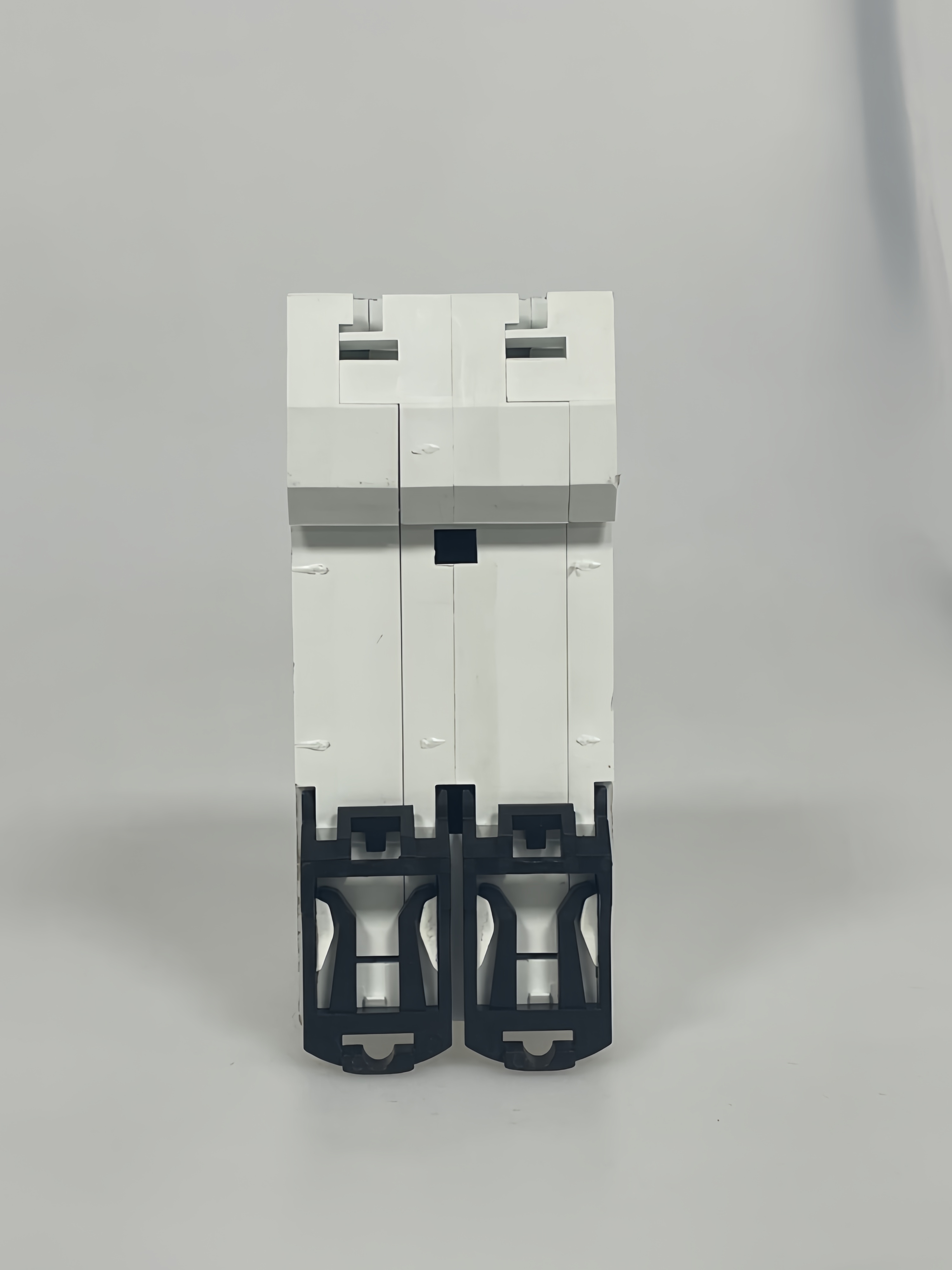
The convergence of residential and industrial electrical protection needs has driven manufacturers to develop sophisticated voltage protector solutions that bridge the gap between home-use simplicity and industrial-grade reliability. These advanced protection devices incorporate digital monitoring capabilities, adjustable trip settings, and robust construction designed to handle varying load conditions while maintaining consistent protection performance across diverse applications.
Residential electrical systems typically operate at standard voltage levels with relatively predictable load patterns, yet they face unique challenges from utility grid fluctuations and appliance-generated disturbances. A quality voltage protector for residential use must respond quickly to overvoltage conditions while avoiding nuisance tripping during normal voltage variations. Home applications benefit from voltage protector devices that offer user-friendly interfaces and automatic reset capabilities to minimize homeowner intervention.
The residential environment presents specific challenges including seasonal load variations, appliance startup surges, and varying power quality from utility sources. Modern homes with smart appliances, entertainment systems, and computer equipment require voltage protector solutions that maintain stable power delivery while protecting against both fast-acting surges and sustained overvoltage conditions that could damage sensitive electronics.
Industrial facilities demand voltage protector systems capable of handling heavy motor loads, variable frequency drives, and complex electrical distribution networks. Industrial voltage protector applications must accommodate high inrush currents, frequent switching operations, and continuous operation requirements that exceed typical residential demands. The industrial voltage protector must also integrate seamlessly with existing control systems and provide detailed monitoring capabilities for maintenance planning.
Manufacturing environments present additional complexity through electromagnetic interference, harmonic distortion, and load imbalances that can affect voltage protector performance. Industrial voltage protector systems require robust construction, extended operating temperature ranges, and advanced filtering capabilities to maintain protection effectiveness in harsh electrical environments while supporting critical production processes.
Modern dual-display digital voltage protector units combine microprocessor-based control with comprehensive monitoring capabilities suitable for both residential and industrial applications. These sophisticated devices feature adjustable voltage thresholds, time delays, and current monitoring functions that adapt to different installation requirements. The digital voltage protector provides real-time display of electrical parameters while maintaining consistent protection performance across varying load conditions.
Digital voltage protector technology enables precise calibration of protection settings to match specific application requirements without compromising safety or reliability. Advanced models incorporate data logging capabilities, communication interfaces, and remote monitoring options that enhance both residential convenience and industrial maintenance efficiency. The programmable nature of digital voltage protector systems allows single device types to serve multiple application scenarios through software configuration rather than hardware changes.
Comprehensive electrical protection requires integration of voltage and current protection functions within a single device platform. Modern voltage protector systems incorporate overcurrent detection, short-circuit protection, and phase monitoring capabilities that address the complete spectrum of electrical faults. This integrated approach ensures that a single voltage protector can serve as the primary protection device for both residential and industrial installations.
The combination of voltage and current protection within unified voltage protector platforms reduces installation complexity, improves coordination between protection functions, and provides comprehensive electrical system monitoring. These multi-function devices offer significant advantages in applications where space constraints, wiring simplicity, and maintenance efficiency are important considerations for both residential and industrial users.
Effective dual-purpose voltage protector design incorporates scalable current ratings that accommodate both residential service entrance applications and industrial distribution panel installations. High-capacity voltage protector units rated for 63 amperes or greater provide sufficient headroom for residential whole-house protection while supporting industrial applications with moderate load requirements. This flexibility eliminates the need for separate product lines targeting different market segments.
The voltage protector capacity selection process must consider not only steady-state current requirements but also inrush current handling capabilities and short-time overload capacity. Residential applications may experience brief high-current conditions during appliance startup, while industrial applications face more sustained overload conditions during motor acceleration or equipment fault conditions. A properly specified voltage protector accommodates these varying demands through appropriate current rating and thermal design.
Modern voltage protector designs emphasize installation flexibility through standardized mounting configurations, universal wiring arrangements, and compatibility with common electrical panel types. DIN rail mounting options enable easy integration into both residential meter panels and industrial control cabinets, while wire management features accommodate different installation approaches. The voltage protector installation process benefits from clear terminal labeling, intuitive wiring diagrams, and standardized connection methods.
Flexibility in voltage protector installation extends beyond physical mounting to include electrical configuration options that adapt to different system grounding methods, voltage levels, and distribution architectures. Single-phase and three-phase voltage protector variants from the same product family enable consistent protection philosophy across diverse electrical systems while maintaining familiar operation and maintenance procedures.
Optimal voltage protector performance requires careful balance between fast response to genuine fault conditions and immunity to transient disturbances that should not interrupt power supply. Residential voltage protector applications benefit from relatively fast response times to protect sensitive electronics, while industrial applications may require slightly longer time delays to accommodate normal process variations. Advanced voltage protector designs incorporate adjustable time delays that allow fine-tuning for specific application requirements.
The voltage protector sensitivity settings must account for normal voltage variations in both residential and industrial environments while providing reliable detection of harmful overvoltage and undervoltage conditions. Modern devices offer programmable trip thresholds that enable optimization for local power quality conditions without compromising protection effectiveness. This adaptability ensures that a single voltage protector design can serve effectively across diverse electrical environments.
Automatic reset capabilities in voltage protector systems provide significant operational advantages for both residential and industrial applications by minimizing manual intervention requirements following temporary fault conditions. The voltage protector reset logic must distinguish between cleared temporary faults and persistent problems that require sustained disconnection. Sophisticated devices incorporate multiple reset attempts with increasing time delays to optimize availability while maintaining safety.
Manual reset options in voltage protector designs serve important safety functions in industrial applications where equipment inspection may be required before power restoration. Residential voltage protector applications typically favor automatic reset for convenience, while industrial installations may benefit from selectable reset modes depending on the criticality of protected equipment and local safety protocols.
Dual-display voltage protector units provide simultaneous monitoring of critical electrical parameters including voltage levels, current flow, and system frequency. This real-time visibility enables both residential homeowners and industrial maintenance personnel to assess electrical system health and identify developing problems before they cause equipment damage. The voltage protector display system must present information clearly while remaining readable under various lighting conditions and viewing angles.
Advanced voltage protector monitoring extends beyond basic parameter display to include trend analysis, peak recording, and fault history logging that support predictive maintenance strategies. These enhanced diagnostic capabilities prove particularly valuable in industrial applications where equipment downtime costs are significant, while also providing residential users with insights into their electrical system performance and energy usage patterns.
Modern voltage protector systems incorporate communication capabilities that enable integration with building management systems, industrial control networks, and remote monitoring platforms. These connectivity options transform the voltage protector from a standalone protective device into an intelligent component of larger electrical management systems. Communication protocols must accommodate both simple residential automation systems and complex industrial control architectures.
The integration capabilities of intelligent voltage protector systems extend to coordination with other protective devices, load management systems, and energy monitoring platforms. This interconnectivity enables comprehensive electrical system optimization while maintaining the primary voltage protector function of equipment protection against voltage-related disturbances.
Selecting an appropriate voltage protector for dual residential and industrial capability requires careful evaluation of technical specifications including voltage rating, current capacity, response time, and environmental operating conditions. The voltage protector must meet the most stringent requirements from either application while remaining cost-effective for both market segments. Key specifications should emphasize proven reliability, regulatory compliance, and performance consistency across the intended operating range.
The voltage protector evaluation process should include analysis of fault current interruption capability, coordination with upstream protective devices, and compatibility with various grounding systems. Long-term reliability considerations become particularly important for voltage protector applications where replacement or maintenance access may be limited, especially in residential installations where homeowner technical expertise may be minimal.
The total cost of ownership for voltage protector systems encompasses initial purchase price, installation costs, maintenance requirements, and replacement intervals. Dual-purpose voltage protector designs that serve both residential and industrial markets can achieve economies of scale that benefit both application segments while reducing inventory complexity for distributors and installers. The voltage protector selection should consider lifecycle costs rather than just initial purchase price.
Operational benefits of standardized voltage protector platforms include simplified training requirements for installation and maintenance personnel, reduced spare parts inventory, and consistent operational procedures across different installation types. These factors contribute significantly to the overall value proposition of dual-purpose voltage protector systems while ensuring reliable protection performance in both residential and industrial applications.
For dual-purpose applications, a 63-ampere voltage protector typically provides adequate capacity for most residential main panel installations while supporting light to moderate industrial loads. This rating offers sufficient headroom for residential whole-house protection and can accommodate industrial applications such as small manufacturing equipment, commercial HVAC systems, and office building distribution panels. The key consideration is ensuring the voltage protector current rating exceeds the maximum expected load current while coordinating properly with upstream overcurrent protection devices.
While some voltage protector models are designed specifically for single-phase or three-phase operation, many modern units offer multi-phase capability through modular construction or universal input design. For true dual-purpose flexibility, select voltage protector systems that clearly specify compatibility with your electrical system configuration. Three-phase voltage protector units can often accommodate single-phase connections, but single-phase units cannot be adapted for three-phase service without compromising protection effectiveness.
Voltage protector trip settings should be configured based on the sensitivity requirements of connected equipment and the characteristics of your local power supply. Residential applications typically use trip settings of plus or minus 10-15 percent of nominal voltage, while industrial applications may require tighter tolerances of plus or minus 5-10 percent depending on process requirements. Consult equipment manufacturer specifications and local utility voltage regulation standards to determine optimal voltage protector trip thresholds for your specific installation.
Regular voltage protector maintenance includes periodic testing of trip functions, verification of display accuracy, cleaning of terminals and enclosures, and documentation of any fault events or parameter changes. Industrial applications may require more frequent testing and calibration verification, typically annually, while residential installations can often operate reliably with less frequent maintenance intervals. Modern digital voltage protector units with self-diagnostic capabilities can reduce maintenance requirements while providing early warning of developing problems through status indicators and communication systems.

 EN
EN