Electrical power surges and voltage fluctuations pose significant threats to modern households and commercial facilities worldwide. These unpredictable electrical anomalies can damage expensive appliances, disrupt daily operations, and lead to costly repairs or replacements. A voltage protector socket serves as an essential safeguard against these electrical hazards, offering comprehensive protection for valuable electronic equipment and appliances. Understanding the advantages of implementing voltage protection technology helps property owners make informed decisions about electrical safety investments.
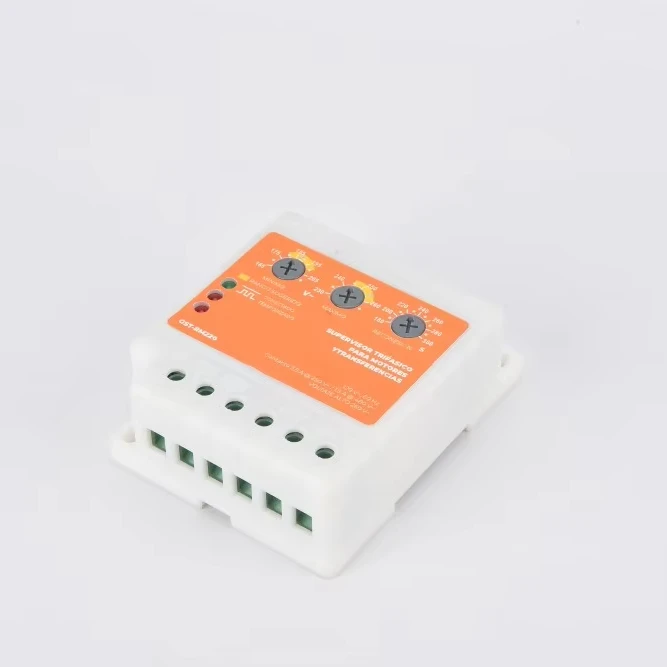
Power surges occur when electrical voltage exceeds normal operating levels, typically ranging from 120 to 240 volts depending on regional standards. These voltage spikes can originate from various sources including lightning strikes, utility grid switching, or large appliances cycling on and off within the same electrical system. The sudden influx of excess electrical energy travels through wiring systems and reaches connected devices, potentially causing immediate damage or gradual component degradation over time.
Modern electronic devices contain sensitive microprocessors, integrated circuits, and digital components that operate within specific voltage tolerances. When these components encounter voltage levels beyond their design specifications, permanent damage can occur within milliseconds. A voltage protector socket acts as a buffer between the electrical supply and connected equipment, detecting abnormal voltage conditions and either redirecting excess energy or disconnecting power entirely to prevent equipment damage.
Installation of voltage protection sockets provides multiple layers of defense against electrical anomalies that conventional power strips or basic outlets cannot address. These specialized devices monitor incoming voltage continuously, responding instantly to dangerous conditions before they reach sensitive electronics. The protection extends beyond simple surge suppression to include brownout protection, over-voltage detection, and power quality monitoring capabilities.
High-value appliances such as refrigerators, air conditioning systems, televisions, and computer equipment benefit significantly from voltage protector socket installation. These devices often represent substantial financial investments and contain complex electronic control systems that are particularly vulnerable to electrical disturbances. Professional-grade protection ensures consistent performance and extends operational lifespan by maintaining stable power delivery under varying electrical conditions.
Modern voltage protector sockets incorporate intelligent monitoring systems that continuously assess electrical parameters including voltage levels, frequency stability, and power quality indicators. When dangerous conditions are detected, these devices automatically disconnect power to connected equipment, preventing potential damage from sustained over-voltage or under-voltage conditions. This automated response occurs faster than manual intervention would be possible, often within microseconds of detecting problematic electrical conditions.
The automatic disconnect feature proves particularly valuable during severe weather events when lightning strikes or utility grid instability creates multiple surge events in rapid succession. Traditional circuit breakers and fuses respond to current overload conditions but may not react quickly enough to voltage-based threats. Professional voltage protection systems provide immediate isolation when electrical parameters exceed safe operating ranges, ensuring connected equipment remains protected throughout the entire event duration.
Advanced voltage protector socket designs utilize multiple protection stages to address different types of electrical threats effectively. The first stage typically employs metal oxide varistors or gas discharge tubes to handle high-energy surges from external sources such as lightning strikes. Secondary protection stages use faster-responding components to address smaller, more frequent voltage fluctuations that occur during normal electrical system operation.
This layered approach ensures comprehensive protection across the entire spectrum of potential electrical threats while maintaining optimal power delivery to connected devices. Each protection stage activates at predetermined voltage thresholds, creating a coordinated defense system that responds appropriately to various threat levels. The multi-stage architecture also provides redundancy, ensuring protection remains effective even if individual components experience wear or degradation over time.
The financial advantages of implementing voltage protector socket systems extend far beyond the initial investment cost. Modern households and businesses rely heavily on sophisticated electronic equipment that represents significant capital investments. Refrigerators, HVAC systems, entertainment centers, and computer networks can cost thousands of dollars to replace when damaged by electrical surges or voltage fluctuations.
Professional voltage protection systems typically cost a fraction of the equipment they protect while providing years of reliable service. The return on investment becomes apparent after preventing even a single major appliance failure or electronics damage incident. Many insurance policies also offer premium discounts for properties equipped with comprehensive electrical protection systems, providing additional financial incentives for proactive protection measures.
Voltage fluctuations and minor electrical disturbances cause gradual component degradation in sensitive electronic equipment even when immediate failure does not occur. This cumulative damage leads to increased maintenance requirements, reduced efficiency, and shortened operational lifespan for affected devices. Consistent voltage protection helps maintain optimal operating conditions, reducing wear on internal components and extending equipment service life significantly.
Professional service technicians report that equipment operating behind quality voltage protection systems requires fewer repairs and experiences fewer performance-related issues over time. This translates to reduced service call expenses, lower replacement part costs, and improved reliability for critical appliances and electronic systems. The cumulative savings from reduced maintenance needs often exceed the initial protection system investment within the first few years of operation.
Proper voltage protector socket installation requires careful attention to electrical system compatibility, load requirements, and local electrical codes. Professional electricians assess existing wiring systems, electrical panel capacity, and specific protection needs before recommending appropriate voltage protection solutions. The installation process typically involves selecting optimal locations for maximum protection effectiveness while ensuring convenient access for routine maintenance and monitoring.
Quality voltage protection systems include comprehensive installation instructions and technical specifications that guide proper implementation procedures. Professional installation ensures optimal performance, maintains warranty coverage, and complies with local electrical safety regulations. Many protection systems also include diagnostic features that allow technicians to verify proper installation and monitor system performance over time.
Modern voltage protector socket systems incorporate advanced monitoring capabilities that track protection system status, electrical parameters, and performance metrics. LED status indicators, digital displays, and remote monitoring options provide real-time feedback about system operation and electrical conditions. These monitoring features help identify potential issues before they affect connected equipment and ensure protection systems remain fully operational.
Regular maintenance protocols for voltage protection systems typically involve visual inspections, electrical testing, and component evaluation procedures. Professional maintenance services can identify wear patterns, verify protection thresholds, and replace components as needed to maintain optimal protection levels. Many systems include self-diagnostic capabilities that automatically identify internal faults and provide detailed status information to service technicians.
A voltage protector socket provides comprehensive electrical protection including over-voltage detection, under-voltage protection, and automatic power disconnection capabilities that standard power strips lack. While basic power strips may include surge suppression features, voltage protector sockets monitor electrical parameters continuously and respond to various types of electrical anomalies beyond simple surge events. Professional voltage protection systems also include advanced components and multi-stage protection architecture designed for industrial and commercial applications.
High-value electronics and appliances with sensitive control systems benefit most from voltage protector socket installation including refrigerators, air conditioning units, televisions, computers, and home entertainment systems. These devices contain microprocessors and digital components that are particularly vulnerable to voltage fluctuations and electrical disturbances. HVAC equipment, kitchen appliances, and office electronics also experience extended operational life and improved reliability when protected by quality voltage protection systems.
Voltage protector sockets provide comprehensive protection against most common electrical threats including power surges, over-voltage conditions, under-voltage situations, and frequency variations. However, they cannot prevent damage from direct lightning strikes to equipment, physical electrical faults, or mechanical failures unrelated to electrical conditions. Professional voltage protection systems significantly reduce the risk of electrical damage but should be combined with proper electrical system maintenance and appropriate electrical panel protection for optimal safety.
Quality voltage protector sockets typically provide 10-15 years of reliable service under normal operating conditions, though lifespan varies based on electrical environment severity and protection system utilization. Professional-grade units include component wear indicators and diagnostic features that help identify when replacement becomes necessary. Regular maintenance and monitoring extend protection system life while ensuring continued effectiveness against electrical threats throughout the operational period.

 EN
EN