Electrical voltage fluctuations pose a significant threat to modern appliances and electronic devices, making protective equipment essential for both residential and commercial applications. A protector de voltage serves as a critical safeguard against power surges, brownouts, and other electrical anomalies that can cause irreparable damage to valuable equipment. Understanding the fundamental principles and proper implementation of voltage protection systems can save thousands of dollars in equipment replacement costs while ensuring operational continuity in various environments.
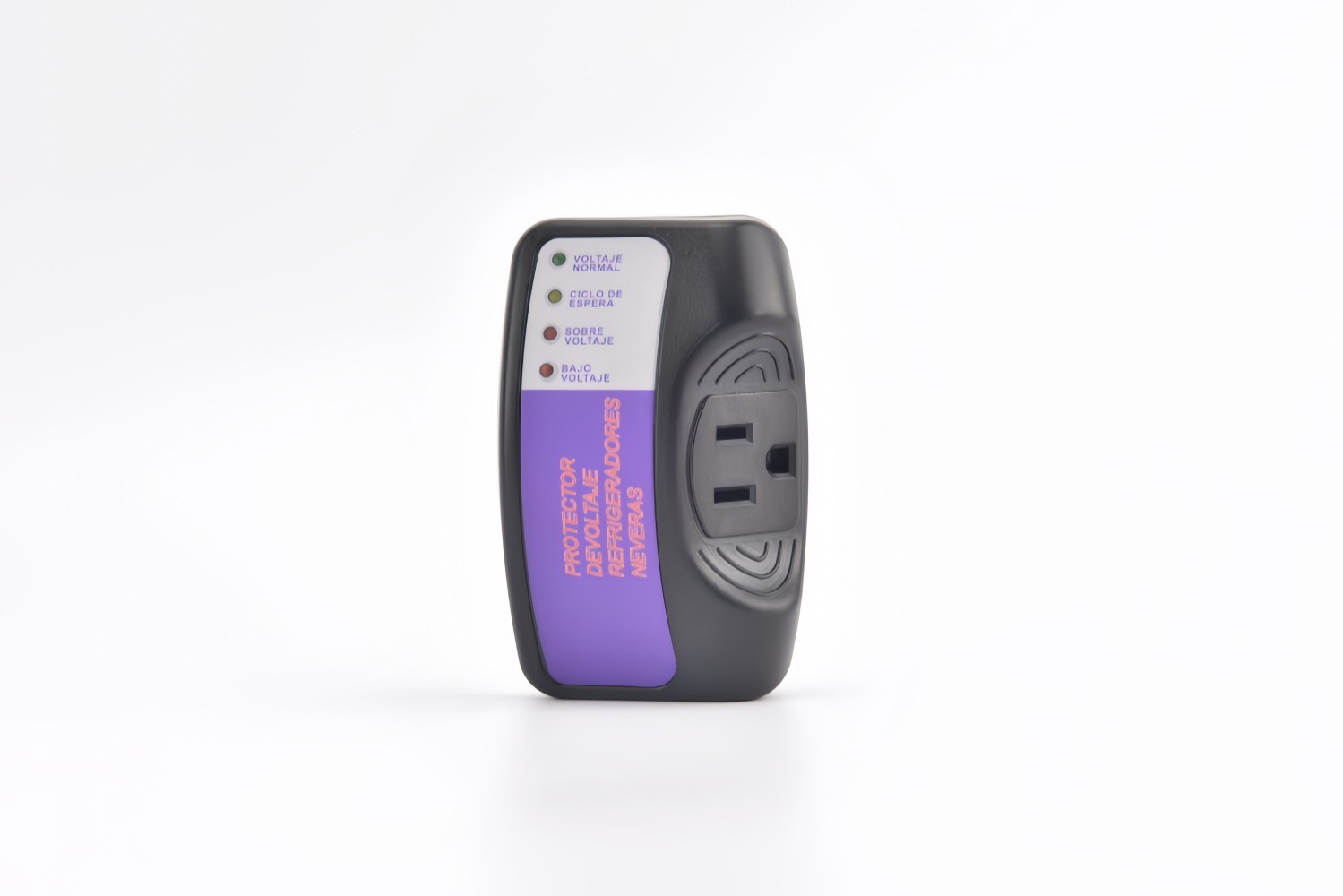
Voltage protection technology has evolved significantly over the past decades, incorporating advanced semiconductor components and intelligent monitoring systems. These devices continuously analyze incoming electrical signals and respond instantaneously to abnormal conditions. The sophisticated circuitry within modern voltage protectors can distinguish between normal operational variations and potentially harmful electrical events, providing precise protection without unnecessary interruptions to connected equipment.
The economic impact of electrical damage extends beyond immediate replacement costs, encompassing lost productivity, data recovery expenses, and potential safety hazards. Professional facilities and residential users alike recognize the importance of implementing comprehensive voltage protection strategies. Modern protector de voltage systems offer multiple layers of protection, addressing various types of electrical disturbances that can occur in different operating environments.
Surge suppression represents the primary defense mechanism against sudden voltage spikes that can damage sensitive electronic components. Modern voltage protectors utilize metal oxide varistors and gas discharge tubes to absorb excess energy during surge events. These components work synergistically to clamp voltage levels within safe operating parameters while maintaining normal circuit operation during standard conditions.
The response time of surge suppression circuits is measured in nanoseconds, ensuring rapid intervention before harmful energy reaches protected equipment. Advanced protector de voltage units incorporate multiple suppression stages, creating redundant protection layers that enhance overall system reliability. This multi-stage approach ensures that even severe surge events are effectively managed without compromising the longevity of protective components.
Voltage protection systems must address not only sudden surges but also sustained overvoltage and undervoltage conditions that can gradually degrade equipment performance. Intelligent monitoring circuits continuously measure input voltage levels and compare them against predetermined thresholds. When voltage deviations exceed acceptable ranges, the protector de voltage automatically disconnects power to prevent cumulative damage.
Brownout conditions are particularly challenging because they can persist for extended periods while still providing sufficient power to keep equipment operational. However, prolonged exposure to reduced voltage levels can cause motors to overheat, power supplies to operate inefficiently, and electronic circuits to malfunction. Advanced voltage protectors incorporate time-delay circuits that distinguish between brief voltage dips and sustained brownout conditions.
Correct installation procedures are crucial for ensuring optimal performance and safety of voltage protection systems. The electrical connection between the protector de voltage and the protected equipment must maintain proper grounding and polarity to function effectively. Professional installation typically involves verifying existing electrical infrastructure and ensuring compatibility with local electrical codes and regulations.
The physical placement of voltage protectors affects their protective capabilities and operational efficiency. Units should be installed as close as possible to the equipment they protect to minimize the length of unprotected wiring. Environmental factors such as temperature, humidity, and electromagnetic interference must also be considered during installation planning to ensure long-term reliability.
Selecting the appropriate power rating for a protector de voltage requires careful analysis of connected equipment specifications and operational requirements. The protective device must be capable of handling the maximum current draw of all connected appliances while maintaining sufficient margin for startup surges and transient loads. Undersized protection units may fail prematurely or provide inadequate protection during high-demand periods.
Different appliance types present varying protection challenges that must be addressed through proper capacity planning. Refrigeration equipment, for example, requires protection capable of handling compressor startup currents that can be several times higher than normal operating current. Similarly, electronic devices with switching power supplies may generate harmonic distortion that affects protection system performance.
Residential applications of protector de voltage systems focus primarily on protecting valuable appliances and consumer electronics from electrical damage. Modern homes contain numerous sensitive devices including computers, entertainment systems, and smart home automation equipment that are particularly vulnerable to voltage fluctuations. Whole-house protection systems provide comprehensive coverage for all electrical circuits within the residence.
Individual appliance protection represents another important residential application, particularly for high-value items such as refrigerators, washing machines, and air conditioning systems. Portable voltage protectors offer flexibility for protecting specific devices while providing visual indication of electrical conditions and protection status. These units typically feature automatic reset capabilities that restore power once electrical conditions return to normal parameters.
Commercial facilities require more sophisticated voltage protection strategies due to the critical nature of business operations and the higher value of protected equipment. Industrial protector de voltage systems often incorporate remote monitoring capabilities, allowing facility managers to track electrical conditions and protection status from centralized control systems. These advanced features enable proactive maintenance and rapid response to electrical anomalies.
Manufacturing environments present unique challenges for voltage protection due to the presence of heavy machinery, variable frequency drives, and other equipment that can generate electrical noise and disturbances. Industrial-grade protection systems must be designed to operate reliably in these demanding environments while providing precise protection for sensitive control systems and instrumentation.
Maintaining optimal performance of protector de voltage systems requires periodic inspection and testing to verify continued protective capability. Visual inspection should include checking for signs of physical damage, overheating, or corrosion that could compromise device operation. Indicator lights and display panels provide valuable information about system status and any recorded protection events that have occurred.
Electrical testing procedures verify that protection thresholds remain within specified parameters and that response times meet manufacturer specifications. Professional testing equipment can measure surge suppression effectiveness, ground integrity, and overall system performance. Documentation of inspection results helps establish maintenance schedules and identify potential issues before they result in protection system failure.
Troubleshooting protector de voltage systems requires understanding common failure modes and their underlying causes. Nuisance tripping, where the protection system disconnects power unnecessarily, often indicates incorrect threshold settings or sensitivity to normal electrical transients. Adjusting protection parameters or relocating the device may resolve these issues without compromising protective effectiveness.
Component degradation over time can reduce protection effectiveness even when the system appears to function normally. Surge suppression components have finite energy absorption capabilities and may require replacement after experiencing severe electrical events. Regular testing helps identify degraded components before they fail completely, ensuring continued protection for valuable equipment.
Selecting the appropriate size requires calculating the total amperage of all connected devices and adding a safety margin of approximately twenty-five percent. Consider both normal operating current and startup surge requirements, particularly for motor-driven appliances. Consult equipment nameplates and manufacturer specifications to obtain accurate current ratings, and consider future expansion needs when sizing the protection system.
While protector de voltage systems provide excellent protection against surges, brownouts, and overvoltage conditions, they cannot prevent damage from direct lightning strikes or catastrophic electrical faults. These devices are designed to handle normal electrical disturbances and provide automatic disconnection when voltage levels exceed safe parameters. Proper grounding and surge arresters at the service entrance provide additional protection layers.
Regular visual inspection every six months helps identify obvious signs of damage or wear. Annual electrical testing by qualified technicians verifies protection thresholds and response times remain within specifications. Keep inspection records to track system performance over time, and replace units that show signs of degradation or have experienced multiple severe electrical events that may have compromised protective components.
Service life varies significantly based on electrical conditions and the number of protection events experienced. Under normal conditions, quality protector de voltage units can provide reliable protection for five to ten years. However, units exposed to frequent electrical disturbances or severe surge events may require replacement sooner. Monitor protection status indicators and conduct regular testing to determine when replacement is necessary.

 EN
EN