Every home relies on a steady, consistent supply of electrical power to keep appliances, electronics, and critical devices running safely. Yet voltage irregularities — whether sudden surges, persistent overvoltage conditions, or damaging undervoltage drops — are far more common in residential settings than most homeowners realize. An over under voltage protector is a dedicated device designed to monitor incoming power and automatically disconnect connected equipment whenever voltage levels stray outside a safe operating range. Understanding the full scope of benefits these devices provide can help homeowners make more informed decisions about their electrical safety strategy.
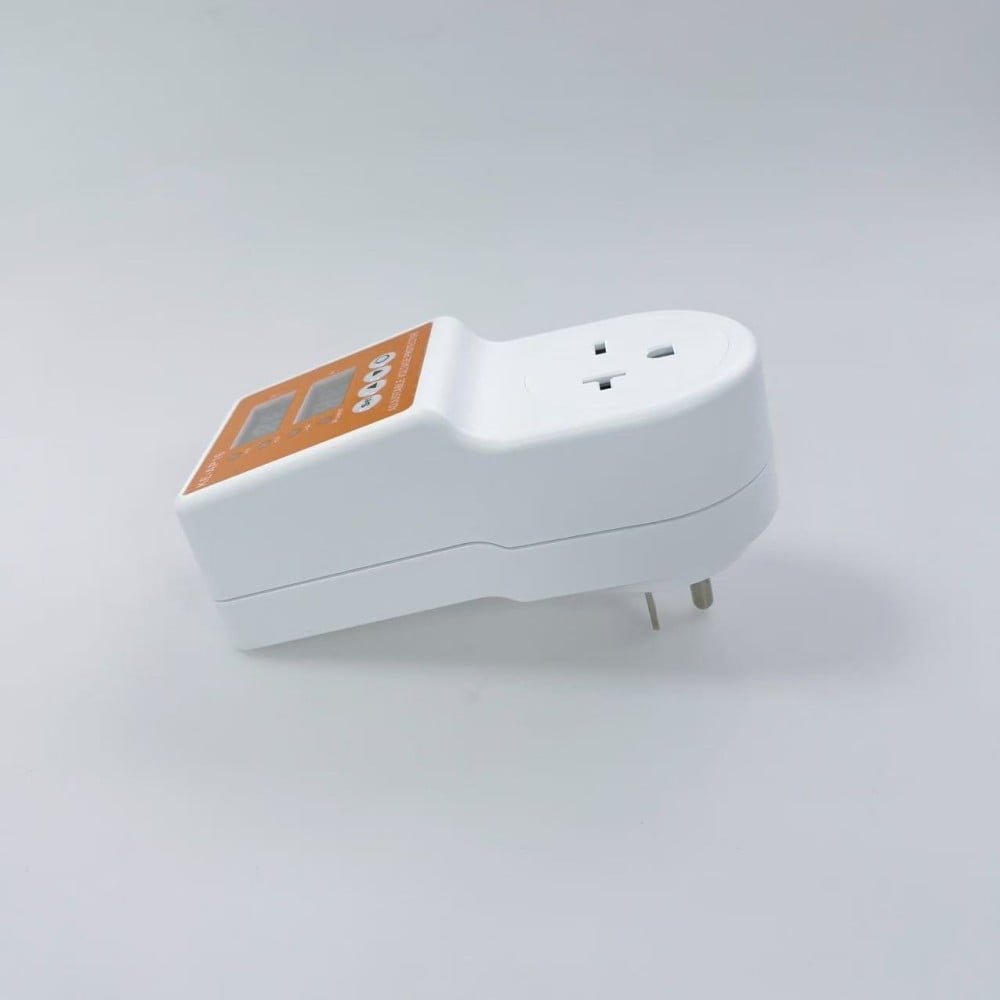
The value of an over under voltage protector in a residential environment extends well beyond simple circuit protection. These devices serve as a first line of defense for expensive home appliances, refrigerators, air conditioning units, washing machines, televisions, and sensitive electronics that represent thousands of dollars in household investment. When voltage fluctuations go unaddressed, the cumulative damage to internal components can lead to premature failure, voided warranties, and costly repairs or replacements. Installing an over under voltage protector is, in practical terms, one of the most cost-effective decisions a homeowner can make for long-term electrical safety.
An over under voltage protector continuously monitors the voltage level coming from the utility supply. It compares the measured voltage against preset thresholds — typically an upper limit representing overvoltage and a lower limit representing undervoltage. The moment the incoming voltage crosses either boundary, the device triggers an automatic disconnection, cutting power to the connected appliance or circuit before any damaging current can pass through. This automated response happens in milliseconds, far faster than any manual intervention could achieve.
Most modern over under voltage protector units also feature a built-in time delay for reconnection. After the voltage returns to an acceptable range, the device waits for a programmed period — often between 30 seconds and a few minutes — before restoring power. This delay is intentional and important: it prevents compressor-driven appliances like refrigerators and air conditioners from restarting under residual unstable voltage conditions, which could otherwise cause motor damage.
Many residential-grade over under voltage protector models now include adjustable threshold settings, giving homeowners the flexibility to customize the protection range based on the specific sensitivity of connected equipment. This level of control makes the device suitable for both standard household appliances and more sensitive electronic loads that require tighter voltage tolerances.
Residential power supplies are subject to numerous sources of voltage instability. Overvoltage events can result from utility grid switching, lightning strikes, sudden load reductions, or faulty transformers. Undervoltage conditions, sometimes called brownouts, frequently occur during peak demand periods when more load is drawn from the grid than the infrastructure can comfortably supply. Both conditions can be just as harmful as a complete power outage.
In regions where the utility infrastructure is aging or where demand regularly exceeds supply capacity, voltage fluctuations are a persistent and predictable problem rather than an occasional anomaly. For households in these areas, an over under voltage protector is not a luxury accessory but a practical necessity for day-to-day appliance safety. Even in areas with relatively stable grids, internal wiring faults, neighborhood load changes, and seasonal weather events can create transient voltage excursions that put unprotected appliances at risk.
Compressor-driven appliances are among the most vulnerable to voltage irregularities in the home. Refrigerators and air conditioning units rely on electric motors that demand consistent voltage to operate within safe thermal and mechanical limits. When undervoltage conditions force these motors to draw higher-than-normal current in an attempt to maintain torque, the result is excessive heat buildup that degrades motor windings over time. Overvoltage conditions, on the other hand, can cause insulation breakdown and immediate component failure.
Positioning an over under voltage protector at the circuit or outlet level for these appliances directly prevents this category of damage. The device intervenes before the harmful voltage condition has a chance to affect the motor's operating characteristics. Given that replacing a residential air conditioner compressor or a refrigerator can cost several hundred to several thousand dollars, the protective value offered by an over under voltage protector is quantifiably significant.
The reconnection delay feature is particularly relevant for compressor equipment. Restarting a compressor immediately after a power interruption while residual pressure still exists in the system places extreme mechanical stress on the motor. The time delay built into a quality over under voltage protector allows pressure to equalize before the motor restarts, reducing wear and extending the operational lifespan of the appliance.
Modern residential environments contain an increasing density of sensitive electronics: flat-screen televisions, home theater receivers, gaming consoles, smart home hubs, routers, and personal computers. These devices contain microprocessors, solid-state components, and capacitors that are particularly susceptible to overvoltage events. Unlike mechanical appliances, electronics can fail suddenly and completely when exposed to even brief voltage spikes that exceed their design tolerances.
An over under voltage protector installed at key circuits or outlet positions within the home creates a protective buffer around these valuable devices. By ensuring that the electronics are automatically isolated from the supply whenever voltage anomalies are detected, homeowners significantly reduce the risk of data loss, hardware damage, and the inconvenience of unplanned replacements. The financial protection this represents across an entire household of connected devices is considerable.
Smart home ecosystems, which often depend on continuous and stable power to maintain connectivity, security functions, and automation routines, are particularly well served by over under voltage protector coverage. Interruptions caused by voltage irregularities can corrupt firmware, reset configurations, and in extreme cases, permanently damage the control electronics of smart devices that represent significant investments.
The financial case for installing an over under voltage protector in a residence is straightforward when viewed through the lens of total cost of ownership. Appliances and electronics that operate within their designed voltage parameters consistently demonstrate longer service lives, fewer breakdowns, and more predictable maintenance schedules. Conversely, appliances subjected to repeated voltage stress accumulate internal damage that manifests as premature failure, often outside the warranty period when repair costs fall entirely on the homeowner.
The cost of a quality over under voltage protector is typically a fraction of the value of a single protected appliance. Protecting a high-end refrigerator, an inverter air conditioner, or a professional-grade home theater system with a device that costs significantly less than any one of those assets represents a rational and defensible financial decision. The return on investment becomes clear after even a single prevented equipment failure.
Beyond direct repair and replacement costs, homeowners also benefit from reduced service call expenses, avoidance of food spoilage in cases where refrigeration fails, and the elimination of disruptions caused by equipment downtime. These indirect financial benefits compound the direct protective value of the over under voltage protector.
Many appliance manufacturers specify in their warranty documentation that coverage may be voided if the appliance is operated under conditions that fall outside acceptable voltage ranges. This means that a homeowner who experiences an appliance failure caused by a voltage event — and who cannot demonstrate that appropriate protective measures were in place — may find that the manufacturer's warranty offers no financial recourse.
Installing an over under voltage protector demonstrates a proactive approach to voltage compliance and can serve as documented evidence that the homeowner took reasonable steps to operate the appliance within the manufacturer's specified electrical conditions. In some cases, this can support warranty claims by establishing that the failure was not attributable to operator negligence or an inadequate electrical environment.
Voltage irregularities do not only threaten the functionality of appliances — they can also create genuine safety hazards. Sustained overvoltage conditions can cause overheating in motors, transformers, and wiring insulation. If thermal protection mechanisms within the appliance are absent or fail to respond quickly enough, the resulting heat buildup can in extreme cases contribute to fire risks. An over under voltage protector adds an upstream layer of protection that isolates the appliance before dangerous operating conditions can develop.
This safety dimension is especially relevant in residential settings where appliances such as washing machines, dryers, and dishwashers may operate unattended for extended periods. The automatic disconnection capability of an over under voltage protector ensures that these appliances are not exposed to harmful voltage conditions during periods when no one is available to notice warning signs or intervene manually.
For households with elderly residents, young children, or individuals with limited technical awareness, the passive and automatic nature of over under voltage protector operation provides an important safety net that requires no active monitoring or user input to function effectively. The device works silently in the background, offering continuous protection without demanding attention or technical expertise from the occupants.
Storms, heat waves, and periods of peak seasonal demand all create conditions that stress electrical grids and increase the likelihood of voltage irregularities reaching residential supply lines. Homeowners who have installed an over under voltage protector at critical appliance positions can weather these periods with considerably greater confidence than those relying on unprotected connections.
The psychological value of knowing that critical household equipment is protected from unpredictable grid behavior is not trivial. For households in regions prone to seasonal storms or areas served by aging infrastructure, this peace of mind translates into a tangible quality-of-life benefit that complements the practical financial and safety advantages of the over under voltage protector.
Yes, these are distinct types of devices with different protective functions. A surge protector is designed to absorb or divert short-duration, high-energy voltage spikes, typically caused by lightning or switching transients. An over under voltage protector, by contrast, monitors sustained voltage levels and disconnects the load when the voltage remains outside a safe range for more than a brief period. Many residential electrical environments benefit from having both types of protection in place, as each addresses a different category of voltage-related risk.
Some over under voltage protector models are designed for whole-house installation at the main distribution board, offering broad coverage for all circuits simultaneously. Other units are designed for individual outlets or specific appliance connections, providing targeted protection where it is most needed. The appropriate approach depends on the household's electrical layout, the nature of voltage problems in the area, and the value of the equipment requiring protection. In many cases, a combination of whole-house and point-of-use protection provides the most comprehensive coverage.
Plug-in style over under voltage protector units designed for individual outlets require no installation expertise and can be set up by any homeowner in minutes. Models intended for hardwired installation at the distribution board or for integration into a specific circuit should be installed by a qualified electrician to ensure compliance with local electrical codes and to guarantee correct connection and grounding. Adjustable threshold models may require brief configuration during setup, which is typically guided by clear instructions provided with the device.
Most over under voltage protector devices are designed for long-term continuous operation and do not require routine replacement under normal conditions. However, it is good practice to periodically verify that the device is functioning correctly by checking indicator lights or digital displays where available. If the device has operated through a significant electrical event — such as a major voltage surge or extended brownout period — a functional inspection is advisable. Replacing the unit if any signs of malfunction, physical damage, or persistent tripping without a clear voltage cause are observed ensures that protection remains reliable over time.

 EN
EN