Choosing the right 110-volt surge protector for industrial or heavy-duty applications is far more critical than many facility managers initially assume. Unlike residential models designed for occasional voltage spikes, an industrial-grade 110-volt surge protector must endure continuous electrical stress, protect expensive machinery, and maintain operational uptime in demanding environments. Understanding exactly which features separate a reliable unit from a mediocre one helps procurement teams and engineers make confident, cost-effective decisions.
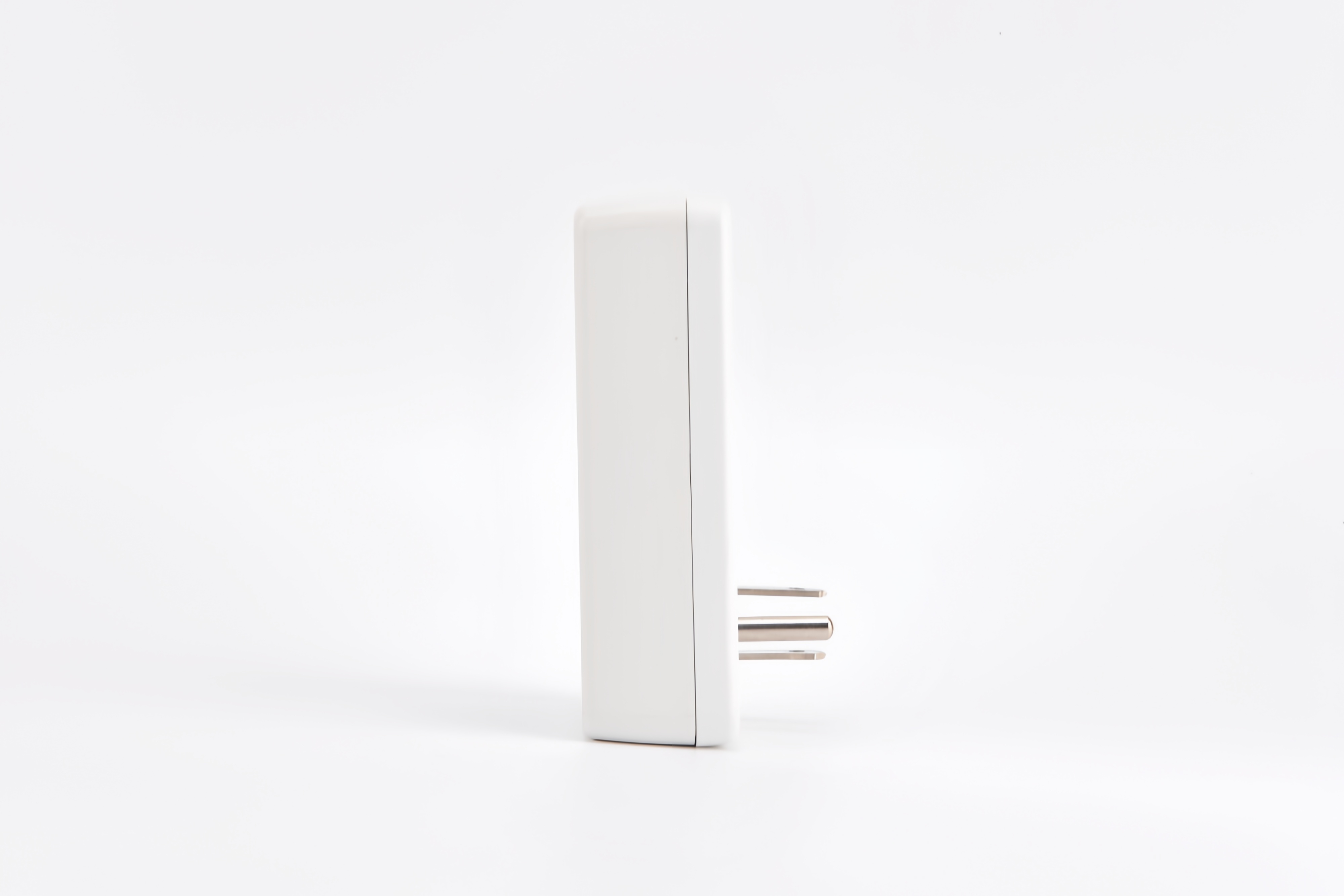
The market offers a wide range of surge protection devices, but not all units built for 110-volt systems deliver equal performance under real-world industrial conditions. A 110-volt surge protector intended for industrial use must be engineered around specific technical benchmarks, safety certifications, and durability standards. This article breaks down each essential feature so that buyers know precisely what to look for before committing to a purchase.
At its most fundamental level, a 110-volt surge protector detects voltage spikes that exceed a defined threshold and redirects or absorbs that excess energy before it reaches connected equipment. In industrial settings, these spikes can originate from switching large inductive loads, utility grid disturbances, lightning-induced transients, or even internal machinery cycling. Each of these events can deliver enough energy to degrade sensitive electronic components over time, or destroy them instantly in severe cases.
The primary protection element in most 110-volt surge protector designs is a Metal Oxide Varistor, commonly known as a MOV. When voltage exceeds its clamping threshold, the MOV becomes conductive and shunts the excess energy to ground. Industrial-grade units typically use multiple MOVs configured in parallel to handle higher joule ratings and improve longevity. Understanding this mechanism helps engineers evaluate whether a given unit is truly built for heavy-duty conditions or simply carries industrial labeling without the engineering to match.
Beyond MOV-based designs, some advanced 110-volt surge protector models incorporate gas discharge tubes or transient voltage suppression diodes to offer layered protection. Each technology has different response times and energy absorption characteristics, and the best industrial units combine more than one approach. This layered design ensures that both fast-rise transients and sustained voltage elevations are addressed without overwhelming any single protective component.
Industrial facilities introduce electrical stress that simply does not occur in commercial office environments. Motors, compressors, welding equipment, and HVAC systems all generate repetitive low-level surges throughout the workday. A 110-volt surge protector operating in such an environment may absorb hundreds or thousands of minor surge events over its service life, slowly degrading its MOV components until protection is lost entirely — often without any visible indication to maintenance staff.
This degradation problem is why joule rating and clamping voltage are among the most important specifications to evaluate. A higher joule rating means the 110-volt surge protector can absorb more cumulative energy before its protective elements are exhausted. Facilities running sensitive programmable logic controllers, variable frequency drives, or CNC equipment should prioritize units with joule ratings well above the minimum consumer-grade threshold to ensure long-term reliability.
Additionally, industrial environments often experience broader voltage fluctuations than residential grids, making the clamping voltage specification equally important. A well-designed 110-volt surge protector should clamp voltages as close to the standard 110-volt operating level as possible without triggering unnecessarily during normal operation. Tight clamping voltage tolerances indicate precision engineering and protect sensitive electronics more effectively than units with wide clamping bands.
The joule rating of a 110-volt surge protector directly communicates how much cumulative surge energy the device can absorb before its protection capability is compromised. For light commercial use, ratings in the 1,000 to 2,000 joule range may be sufficient. However, a true industrial 110-volt surge protector should carry ratings of 3,000 joules or higher, and premium models for mission-critical applications may exceed 4,000 joules. These higher figures provide a meaningful safety margin when equipment runs around the clock in electrically noisy environments.
It is equally important to recognize that joule rating is a consumable specification. Over time, each absorbed surge event chips away at the remaining protection capacity. This is why leading industrial-grade designs incorporate indicator lights or audible alarms that signal when the 110-volt surge protector has absorbed enough energy to require replacement. Without such indicators, a facility could unknowingly operate unprotected equipment thinking the device is still functional.
Clamping voltage defines the threshold at which the 110-volt surge protector begins diverting surge energy. Lower clamping voltages provide better protection because the device activates before voltage rises high enough to stress equipment. For 110-volt systems, a clamping voltage of 330 volts or below is generally considered excellent, while anything above 500 volts offers noticeably weaker protection for sensitive industrial electronics.
Response time measures how quickly the 110-volt surge protector reacts once a surge event begins. The fastest units respond in less than one nanosecond, while slower designs may take several nanoseconds to engage. Although all of these figures seem imperceptibly small in human terms, the difference matters significantly for microprocessor-based industrial equipment where even brief voltage excursions can corrupt data, reset programs, or damage logic components. Facilities should always prioritize devices that explicitly state their response time specifications rather than models that omit this data.
A 110-volt surge protector installed in an industrial environment may face exposure to dust, moisture, vibration, and elevated ambient temperatures. The enclosure quality of the device determines how well it withstands these conditions over its service life. For indoor industrial applications, a robust thermoplastic housing with a high flammability rating is the minimum expectation. For environments with dust or splash exposure, units rated to relevant ingress protection standards provide added assurance that the internal components remain protected.
Thermal management is another structural consideration that separates industrial-grade 110-volt surge protector designs from consumer products. MOVs generate heat during surge absorption, and without adequate heat dissipation, the protective elements can fail prematurely or, in worst cases, create a fire hazard. Quality industrial designs incorporate thermal fuses or thermally protected MOV assemblies that disconnect safely if operating temperatures exceed safe limits, preventing hazardous failure modes.
The mechanical build quality of a 110-volt surge protector significantly affects its long-term performance in vibration-prone industrial settings. Loose outlet connections, inadequate strain relief on power cords, and lightweight housings that crack under physical stress are all warning signs of units not designed for demanding use. Industrial models typically feature heavier-gauge power cords, reinforced outlet sockets, and robust mounting options that prevent the unit from shifting or falling during operation.
Outlet spacing and configuration also matter in practice. Industrial equipment often uses large transformer-based power adapters that can physically block adjacent outlets when plugged in. A 110-volt surge protector intended for professional use should provide adequate spacing between outlets or include rotating outlet configurations to accommodate a variety of plug form factors without reducing the usable outlet count. This practical design consideration directly affects operational flexibility in real-world installations.
Safety certification from recognized third-party testing laboratories is one of the most reliable indicators that a 110-volt surge protector has been engineered and tested to meet defined performance and safety standards. In the North American and South American markets where 110-volt systems predominate, certifications from bodies such as UL or ETL provide documented evidence that the device has undergone independent testing for electrical safety, flammability, and surge protection performance. Purchasing uncertified units to save costs introduces liability exposure and genuine safety risks that far outweigh any short-term savings.
UL 1449 is the primary standard governing surge protective devices in the United States and defines specific testing protocols for clamping voltage, response time, and safety under fault conditions. A 110-volt surge protector that carries UL 1449 listing has been tested to fail safely when its protection capacity is exhausted, preventing the device itself from becoming a hazard. Facilities operating in regulated industries or seeking insurance compliance will typically find that certified surge protection equipment is required rather than optional.
Some advanced 110-volt surge protector models integrate ground fault circuit interruption or overcurrent protection alongside their primary surge protection function. This combination addresses a broader range of electrical hazards within a single device, which can simplify installation and reduce the total component count in a panel or equipment setup. Ground fault protection is particularly valuable in wet or damp industrial environments where shock risk is elevated.
Overcurrent protection through integrated circuit breakers ensures that the 110-volt surge protector can disconnect automatically if the connected load exceeds safe current levels, protecting both the wiring and the connected equipment. This feature is especially useful in industrial environments where loads may change frequently as machinery is added, removed, or reconfigured. Units offering this integrated protection capability represent a more complete electrical safety solution than pure surge-only designs.
Operational transparency is a feature that genuinely distinguishes professional-grade 110-volt surge protector designs from budget alternatives. An LED protection status indicator that continuously displays whether the device is still providing active surge protection allows maintenance personnel to quickly confirm functionality during routine inspections. Without this visibility, a unit whose MOVs have been exhausted by prior surge events provides a false sense of security while offering zero actual protection.
More sophisticated 110-volt surge protector models may include audible alarms triggered when protection status drops below an acceptable threshold, or when a significant surge event has occurred. These diagnostic features are invaluable in large facilities where hundreds of outlets may be protected and individual unit inspection would otherwise require significant labor investment. Proactive notification systems enable maintenance teams to replace degraded units before equipment damage occurs rather than responding reactively to failures.
Even the best-designed 110-volt surge protector is a consumable device. Its protective elements absorb energy and degrade over time, meaning that replacement planning should be part of any facility's electrical maintenance program. Industrial-grade units that are easily identifiable, consistently available through reliable supply channels, and straightforward to swap out minimize operational disruption when replacement becomes necessary.
Procurement teams should factor replacement cycle costs into their total cost of ownership calculations when selecting a 110-volt surge protector. A unit that costs slightly more upfront but lasts significantly longer in a given environment may represent lower total expenditure than a cheaper device requiring frequent replacement. Evaluating the joule rating, operating environment, and frequency of surge events in your specific facility provides the data needed to make an accurate lifecycle cost comparison.
For industrial applications, a 110-volt surge protector should carry a joule rating of at least 3,000 joules, with 4,000 joules or higher being preferable for environments with heavy machinery or continuous electrical noise. Higher joule ratings provide more cumulative surge absorption capacity and extend the device's useful service life before protection degrades. Always verify that the unit also includes a status indicator so you know when its capacity has been exhausted.
Clamping voltage is the voltage level at which the 110-volt surge protector begins actively diverting surge energy. Lower clamping voltages mean the device intervenes earlier, allowing less excess voltage to reach connected equipment. For 110-volt systems, a clamping voltage at or below 330 volts is considered excellent protection, while higher values offer reduced protection margins. Always check this specification when comparing units for sensitive industrial electronics.
While certification requirements vary by jurisdiction, using a certified 110-volt surge protector is strongly recommended for industrial settings. Certifications such as UL 1449 confirm that the device has been independently tested for safety and performance. Many insurance policies, facility compliance standards, and industrial equipment warranties require certified protection devices. Uncertified products carry both performance uncertainty and potential liability risks that far outweigh their lower purchase price.
Replacement intervals for a 110-volt surge protector depend on the frequency and severity of surge events in the operating environment. In electrically noisy industrial facilities with frequent switching loads or utility disturbances, replacement may be necessary every two to three years even with high-joule-rated units. Devices with built-in protection status indicators simplify this decision by signaling when the protective capacity has been consumed. Establishing a routine inspection schedule as part of preventive maintenance is the most reliable approach to ensuring continuous protection.

 EN
EN