Các hệ thống nhà thông minh hiện đại được xây dựng trên nền tảng các thiết bị kết nối với nhau, các linh kiện điện tử nhạy cảm và việc cung cấp điện liên tục. Từ bộ điều khiển nhiệt độ thông minh, camera an ninh đến trợ lý giọng nói và bảng điều khiển chiếu sáng tự động, tất cả những hệ thống này đều phụ thuộc vào nguồn điện ổn định và sạch để vận hành một cách đáng tin cậy. Tuy nhiên, nguồn điện sinh hoạt hiếm khi hoàn hảo — các hiện tượng tăng áp đột ngột, sụt áp và dao động điện áp là những sự cố phổ biến có thể âm thầm làm hư hại hoặc phá hủy các thiết bị nhà thông minh đắt tiền. Chính tại thời điểm này, một bộ bảo vệ quá áp và thiếu áp trở thành thành phần không thể thiếu trong mọi hệ thống nhà thông minh được thiết kế bài bản.
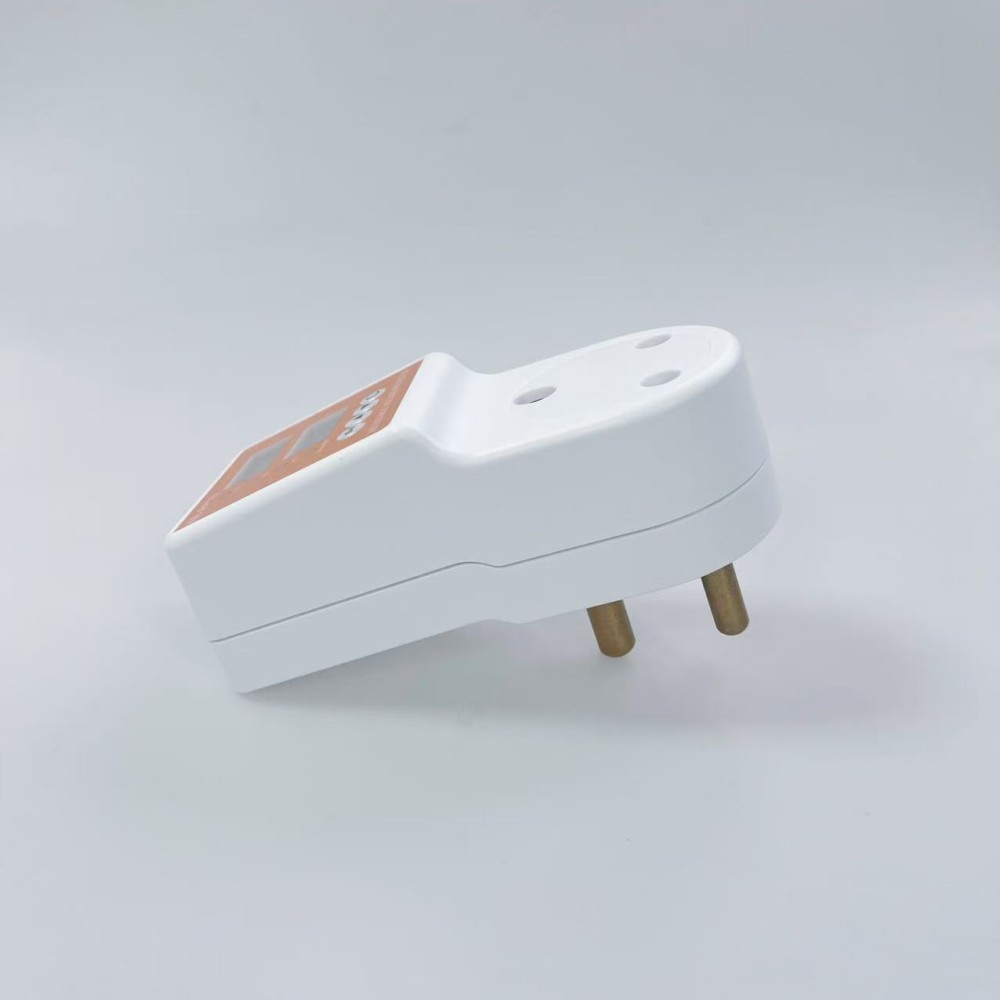
Bộ bảo vệ quá áp và thiếu áp là một thiết bị được thiết kế để liên tục giám sát điện áp nguồn cấp vào và tự động ngắt tải điện mỗi khi điện áp tăng vượt quá hoặc giảm dưới ngưỡng an toàn đã được cài đặt trước. Bằng cách hoạt động như một 'người gác điện tử' giữa đường dây cung cấp điện và các thiết bị được kết nối, bộ bảo vệ quá áp và thiếu áp đảm bảo rằng mọi thiết bị thông minh, trung tâm điều khiển (hub) và cảm biến trong ngôi nhà của bạn chỉ nhận được nguồn điện an toàn và ổn định. Việc hiểu rõ cách thức thiết bị này vận hành trong bối cảnh nhà thông minh, cũng như lý do vì sao vai trò của nó lại quan trọng đến vậy, sẽ giúp chủ nhà và kỹ thuật viên đưa ra những quyết định sáng suốt và an toàn hơn về cơ sở hạ tầng ngay từ ngày đầu tiên.
Về bản chất, một bộ bảo vệ quá áp và thiếu áp liên tục lấy mẫu điện áp đầu vào trên đường dây, thường là nhiều lần mỗi giây. Thiết bị so sánh điện áp đo được với hai ngưỡng cấu hình được — một ngưỡng trên biểu thị điện áp an toàn tối đa và một ngưỡng dưới biểu thị điện áp tối thiểu chấp nhận được. Khi điện áp đo được vượt quá ngưỡng trên, điều này báo hiệu tình trạng quá áp, có thể gây ra hiện tượng quá nhiệt, đánh thủng cách điện và hỏng hóc nghiêm trọng các linh kiện trong thiết bị thông minh. Khi điện áp giảm xuống dưới ngưỡng dưới, điều này báo hiệu tình trạng thiếu áp, dẫn đến tải quá mức cho động cơ, lỗi vi xử lý và dữ liệu bị sai lệch trong các bộ điều khiển nhà thông minh.
Bộ bảo vệ quá áp và thiếu áp phản ứng với bất kỳ hiện tượng bất thường nào bằng cách ngắt rơ-le hoặc công tắc tơ điện, từ đó ngắt tải khỏi nguồn cung cấp. Khi điện áp trở lại dải hoạt động an toàn trong khoảng thời gian trễ đã được thiết lập trước, thiết bị sẽ tự động kết nối lại mạch. Tính năng tự động kết nối lại này đặc biệt có giá trị trong các môi trường nhà thông minh, nơi yêu cầu thời gian hoạt động liên tục và việc đặt lại thủ công bởi chủ nhà là không thực tế cũng như không đáng tin cậy.
Một trong những tính năng có ý nghĩa thực tiễn nhất của bộ bảo vệ quá áp – thiếu áp hiện đại là khả năng điều chỉnh ngưỡng kích hoạt. Các thiết bị thông minh dành cho gia đình có mức độ chịu đựng điện áp khác biệt đáng kể. Một bóng đèn LED thông minh cơ bản có thể chịu được dao động điện áp rộng hơn một chút, trong khi trung tâm nhà thông minh, máy chủ NAS hoặc bộ điều khiển hệ thống HVAC đa vùng lại yêu cầu việc điều chỉnh điện áp chặt chẽ hơn nhiều. Khả năng thiết lập các giới hạn điện áp trên và dưới tùy chỉnh giúp bộ bảo vệ có thể được hiệu chuẩn phù hợp với thiết bị nhạy cảm nhất mà nó đang bảo vệ.
Các bộ hẹn giờ trễ điều chỉnh được cũng quan trọng như nhau. Sau khi sự cố điện áp đã được khắc phục, việc khôi phục nguồn điện ngay lập tức đôi khi gây hại không kém chính sự cố đó, đặc biệt đối với các thiết bị sử dụng máy nén như điều hòa thông minh hoặc tủ lạnh. Thời gian trễ tái kết nối được tích hợp sẵn trong bộ bảo vệ quá áp – thiếu áp cho phép áp suất và nhiệt độ cân bằng trở lại trước khi thiết bị khởi động lại, từ đó ngăn ngừa ứng suất cơ học và hao mòn linh kiện. Trong một ngôi nhà thông minh, nơi nhiều loại thiết bị khác nhau chia sẻ cùng một mạch bảo vệ, khả năng điều chỉnh này không phải là một tiện ích — mà là một yêu cầu bắt buộc.
Sự cố quá áp có thể bắt nguồn từ nhiều nguồn phổ biến trong môi trường dân cư. Các thao tác chuyển mạch điện, xung điện do sét đánh dọc theo đường dây điện và việc ngắt kết nối các tải cảm ứng lớn trên cùng một mạch điện đều có thể tạo ra tình trạng quá áp tạm thời hoặc kéo dài. Các thiết bị điện tử nhà thông minh, với các bảng mạch in nhỏ gọn, bộ vi điều khiển điện áp thấp và tụ điện thu nhỏ, đặc biệt dễ bị tổn thương ngay cả khi tiếp xúc với quá áp trong thời gian ngắn. Một xung điện mạnh duy nhất có thể phá hủy vĩnh viễn bộ xử lý bên trong trung tâm điều khiển nhà thông minh hoặc làm hỏng phần mềm của thiết bị được kết nối.
Bộ bảo vệ quá áp và thấp áp hoạt động trước khi các điện áp này đạt đến đầu nối của thiết bị. Bằng cách phát hiện sự gia tăng bất thường của điện áp và ngắt mạch trong vòng vài mili giây, bộ bảo vệ ngăn chặn năng lượng truyền tới và làm hỏng các linh kiện điện tử nhạy cảm. Về lâu dài, khả năng bảo vệ này trực tiếp giúp giảm chi phí thay thế thiết bị, số lần gọi dịch vụ bảo trì ít hơn và thời gian ngừng hoạt động giảm đi đối với các hệ thống nhà thông minh—mà chủ nhà ngày càng phụ thuộc vào chúng để đảm bảo an ninh, kiểm soát khí hậu và tiện nghi hằng ngày.
Hiện tượng điện áp thấp, đôi khi được gọi là tình trạng sụt giảm điện áp, là một mối đe dọa ít nghiêm trọng hơn nhưng cũng gây hại không kém. Hiện tượng này xảy ra khi nhu cầu tiêu thụ trên lưới điện công cộng vượt quá khả năng cung cấp, chẳng hạn như trong các đợt tải cao vào mùa hè do sử dụng điều hòa không khí mạnh, hoặc do sự cố dây dẫn trong các hệ thống điện dân dụng cũ. Các thiết bị thông minh trong nhà hoạt động trong điều kiện điện áp thấp kéo dài sẽ hút dòng điện cao hơn nhằm duy trì công suất đầu ra, từ đó gây quá tải cho các linh kiện bên trong, làm nóng quá mức bộ nguồn và rút ngắn đáng kể tuổi thọ vận hành. Nhiều chủ nhà thậm chí không nhận ra rằng các thiết bị thông minh của họ đang bị suy giảm dần do tình trạng điện áp thấp mạn tính cho đến khi thiết bị hỏng hóc sớm hơn dự kiến.
Một bộ bảo vệ quá áp và thiếu áp với ngưỡng dưới được thiết lập đúng cách sẽ ngắt tải trước khi điện áp giảm xuống mức gây hư hại. Chức năng bảo vệ này đặc biệt quan trọng đối với các hệ thống nhà thông minh ở những khu vực có chất lượng lưới điện không ổn định, trong các ngôi nhà cũ có cơ sở hạ tầng điện đã xuống cấp hoặc tại những vùng thường xuyên chịu ảnh hưởng bởi đỉnh nhu cầu vào mùa hè. Bằng cách ngăn chặn hoạt động trong điều kiện điện áp thấp gây hại, bộ bảo vệ giúp kéo dài tuổi thọ thiết bị theo cách mà không một thiết bị bảo vệ đơn lẻ nào khác có thể sao chép được.
Vị trí quan trọng nhất để lắp đặt bộ bảo vệ quá áp – thiếu áp trong một ngôi nhà thông minh là tại điểm cấp điện cho trung tâm điều khiển, bảng điều khiển hoặc máy chủ tự động hóa gia đình. Những thiết bị này đóng vai trò như bộ não của toàn bộ hệ thống — nếu chúng gặp sự cố, mọi thiết bị được kết nối sẽ mất đi khả năng phối hợp và điều khiển logic, khiến ngôi nhà thông minh thực tế trở thành tập hợp các thiết bị điện tử thông thường không có tính thông minh. Việc lắp đặt bộ bảo vệ quá áp – thiếu áp ở phía đầu nguồn (upstream) của các thành phần trung tâm này đảm bảo rằng lớp trí tuệ của ngôi nhà thông minh luôn được bảo vệ, bất kể những gì xảy ra ở phía nguồn cung cấp điện từ lưới.
Trong thực tế, điều này có nghĩa là lắp đặt thiết bị bảo vệ trong tủ điện hoặc trên mạch ổ cắm chuyên dụng cấp điện cho dàn thiết bị nhà thông minh. Đối với các hệ thống có phòng điều khiển nhà thông minh riêng biệt hoặc tủ điều khiển chuyên dụng, việc sử dụng thiết bị bảo vệ quá áp – thiếu áp dạng gắn bảng điều khiển, được xếp hạng phù hợp với tổng công suất tải kết nối, sẽ cung cấp khả năng bảo vệ toàn bộ tủ chỉ bằng một thiết bị duy nhất. Cách tiếp cận này giúp đơn giản hóa kiến trúc bảo vệ và đảm bảo việc giám sát đồng nhất đối với toàn bộ cơ sở hạ tầng được kết nối.
Bên ngoài trung tâm điều khiển chính, các thiết bị thông minh có giá trị cao riêng lẻ cần được bảo vệ chuyên biệt bằng bộ chống quá áp – thiếu áp. Tủ lạnh thông minh, hệ thống điều hòa không khí (HVAC), máy giặt có kết nối mạng và thiết bị âm thanh – hình ảnh cao cấp đều là những khoản đầu tư đáng kể mà các aptomat tiêu chuẩn không thể bảo vệ khỏi các hiện tượng sai lệch điện áp. Aptomat phản ứng với dòng quá tải — nhưng không phản ứng với tình trạng quá áp hoặc thiếu áp xảy ra trong giới hạn định mức dòng điện, dù vậy vẫn nằm ngoài ngưỡng điện áp an toàn cho thiết bị.
Các bộ bảo vệ quá áp và thiếu áp dạng cắm trực tiếp có sẵn dành riêng cho mục đích này. Các thiết bị này cắm trực tiếp vào ổ cắm tường tiêu chuẩn và cung cấp một ổ cắm đầu ra được bảo vệ cho thiết bị điện. Chúng kết hợp khả năng giám sát thông minh của một thiết bị lắp cố định trên bảng điều khiển đầy đủ với sự tiện lợi của việc lắp đặt di động dựa trên ổ cắm. Đối với ngôi nhà thông minh sử dụng ổ cắm kiểu Mỹ, việc lựa chọn bộ bảo vệ quá áp và thiếu áp được thiết kế và định mức phù hợp với cấu hình phích cắm Mỹ sẽ đảm bảo tính tương thích cũng như khả năng xử lý dòng điện an toàn trong toàn bộ mạch bảo vệ.
Mỗi thiết bị nhà thông minh bị hỏng sớm do tổn thương điện áp đều gây ra tổn thất tài chính trực tiếp — không chỉ ở chi phí thay thế mà còn ở chi phí nhân công lắp đặt, thời gian cấu hình lại và thời gian hệ thống ngừng hoạt động. Giá trị tài chính chủ yếu của bộ bảo vệ quá áp – thiếu áp nằm ở khả năng phòng ngừa: bằng cách ngăn các hiện tượng bất thường về điện áp tiếp cận thiết bị, bộ bảo vệ này kéo dài tuổi thọ vận hành của mọi thiết bị được bảo vệ. Trong khoảng thời gian sở hữu nhà thông minh từ năm đến mười năm, giải pháp bảo vệ này dễ dàng bù đắp chi phí đầu tư ban đầu nhiều lần, đặc biệt khi các thiết bị nhà thông minh ngày càng nâng cao tính năng và do đó trở nên đắt đỏ hơn.
Các hệ quả liên quan đến bảo hiểm cũng rất quan trọng. Thiết bị bị hư hỏng do các bất thường về điện áp không phải lúc nào cũng được bảo hiểm theo chính sách bảo hiểm chủ nhà tiêu chuẩn, và việc chứng minh nguyên nhân gây ra sự cố điện tử có thể rất khó khăn. Việc lắp đặt thiết bị bảo vệ quá áp – thiếu áp thể hiện mức độ thận trọng chuyên nghiệp trong quá trình lắp đặt, điều này có thể hỗ trợ cho các yêu cầu bồi thường bảo hiểm và phản ánh thực hành kỹ thuật đúng đắn. Đối với các kỹ thuật viên lắp đặt nhà thông minh chuyên nghiệp, việc đề xuất và tích hợp các thiết bị bảo vệ cũng là một phần trong việc cung cấp giải pháp lắp đặt chất lượng cao và có cơ sở để bảo vệ.
Các hệ thống nhà thông minh ngày càng được sử dụng rộng rãi cho giám sát an ninh, tự động hóa chăm sóc người cao tuổi, quản lý năng lượng và các chức năng truy cập từ xa—những chức năng này đều có hậu quả thực tế nếu bị gián đoạn. Một sự kiện điện áp làm mất điện hệ thống khóa thông minh, vô hiệu hóa camera an ninh kết nối hoặc khiến trung tâm quản lý năng lượng gia đình ngừng hoạt động sẽ tạo ra những khoảng trống vận hành có ý nghĩa vượt xa mức bất tiện đơn thuần. Bộ bảo vệ quá áp – thiếu áp góp phần trực tiếp vào độ tin cậy của hệ thống bằng cách đảm bảo rằng các sự cố về chất lượng điện không lan rộng thành các sự cố trên toàn bộ hệ thống.
Tính năng tự động kết nối lại sau khi sự cố được khắc phục là một đặc điểm quan trọng đảm bảo độ tin cậy. Thay vì yêu cầu chủ nhà hoặc kỹ thuật viên kiểm tra và đặt lại thiết bị bảo vệ bằng tay, bộ bảo vệ quá áp – thiếu áp sẽ tự động giám sát điện áp trở lại ổn định và khôi phục nguồn điện một cách tự động sau khoảng thời gian trễ đã được cấu hình. Tự động hóa này hoàn toàn phù hợp với triết lý nhà thông minh — tối thiểu hóa can thiệp của con người và tối đa hóa khả năng tự quản lý của hệ thống — nhờ đó biến bộ bảo vệ thành một thành phần có tính nhất quán về mặt triết lý trong mọi hệ thống lắp đặt nhà thông minh.
Một bộ chống sét (surge protector) được thiết kế để hấp thụ hoặc kẹp các đỉnh điện áp đột ngột và ngắn ngủi — thường là các hiện tượng quá áp tạm thời kéo dài trong vài microgiây. Ngược lại, một bộ bảo vệ quá áp – thiếu áp (over under voltage protector) giám sát các mức điện áp duy trì ổn định và ngắt tải khi điện áp duy trì ở ngoài giới hạn an toàn trong một khoảng thời gian xác định. Cả hai thiết bị này đều giải quyết các vấn đề khác nhau về chất lượng nguồn điện, và trong một chiến lược bảo vệ nhà thông minh toàn diện, chúng bổ trợ lẫn nhau thay vì thay thế cho nhau.
Có, bộ bảo vệ quá áp và thấp áp có thể được sử dụng với hầu như mọi thiết bị nhà thông minh, miễn là bộ bảo vệ đó được định mức phù hợp với dòng điện và điện áp của mạch. Việc lựa chọn bộ bảo vệ có định mức dòng điện đáp ứng hoặc vượt quá tổng tải của các thiết bị được kết nối là rất quan trọng. Đối với các thiết bị có động cơ nén, chẳng hạn như điều hòa không khí thông minh hoặc tủ lạnh, hãy đảm bảo bộ bảo vệ bao gồm bộ hẹn giờ trễ tái kết nối để tránh hư hại do khởi động lại.
Các ngưỡng chính xác phụ thuộc vào điện áp định mức tại khu vực của bạn và các thông số dung sai của thiết bị được kết nối. Đối với hầu hết các hệ thống lắp đặt tại Bắc Mỹ hoạt động ở điện áp định mức 120 V, thực tiễn phổ biến là thiết lập ngưỡng trên trong khoảng từ 125 V đến 130 V và ngưỡng dưới trong khoảng từ 105 V đến 110 V. Luôn tham khảo thông số kỹ thuật của thiết bị nhạy cảm nhất được kết nối và thiết lập các ngưỡng sao cho bảo vệ thiết bị đó, đồng thời tránh ngắt điện không cần thiết do các dao động nhỏ, vô hại.
Có. Bộ bảo vệ quá áp và thiếu áp chất lượng cao được thiết kế để tự động tiếp tục giám sát sau khi nguồn điện được khôi phục sau sự cố mất điện. Ngay khi điện trở lại, thiết bị sẽ kiểm tra xem điện áp có nằm trong phạm vi an toàn hay không và, sau khi khoảng thời gian trễ lập trình trước cho việc nối lại mạch đã hết, thiết bị sẽ khôi phục cấp điện cho tải được kết nối mà không cần bất kỳ thao tác thủ công nào. Chức năng vận hành hoàn toàn tự động này là một trong những tính năng khiến bộ bảo vệ quá áp và thiếu áp đặc biệt phù hợp với các ứng dụng nhà thông minh, nơi vận hành không cần người giám sát là tiêu chuẩn phổ biến.

 EN
EN