Understanding which applications benefit most from current protector installation requires analyzing electrical load characteristics, operational environments, and potential failure consequences. Industrial facilities, commercial buildings, and residential installations each present unique challenges that make current protector deployment critical for maintaining electrical system reliability and preventing costly equipment damage.
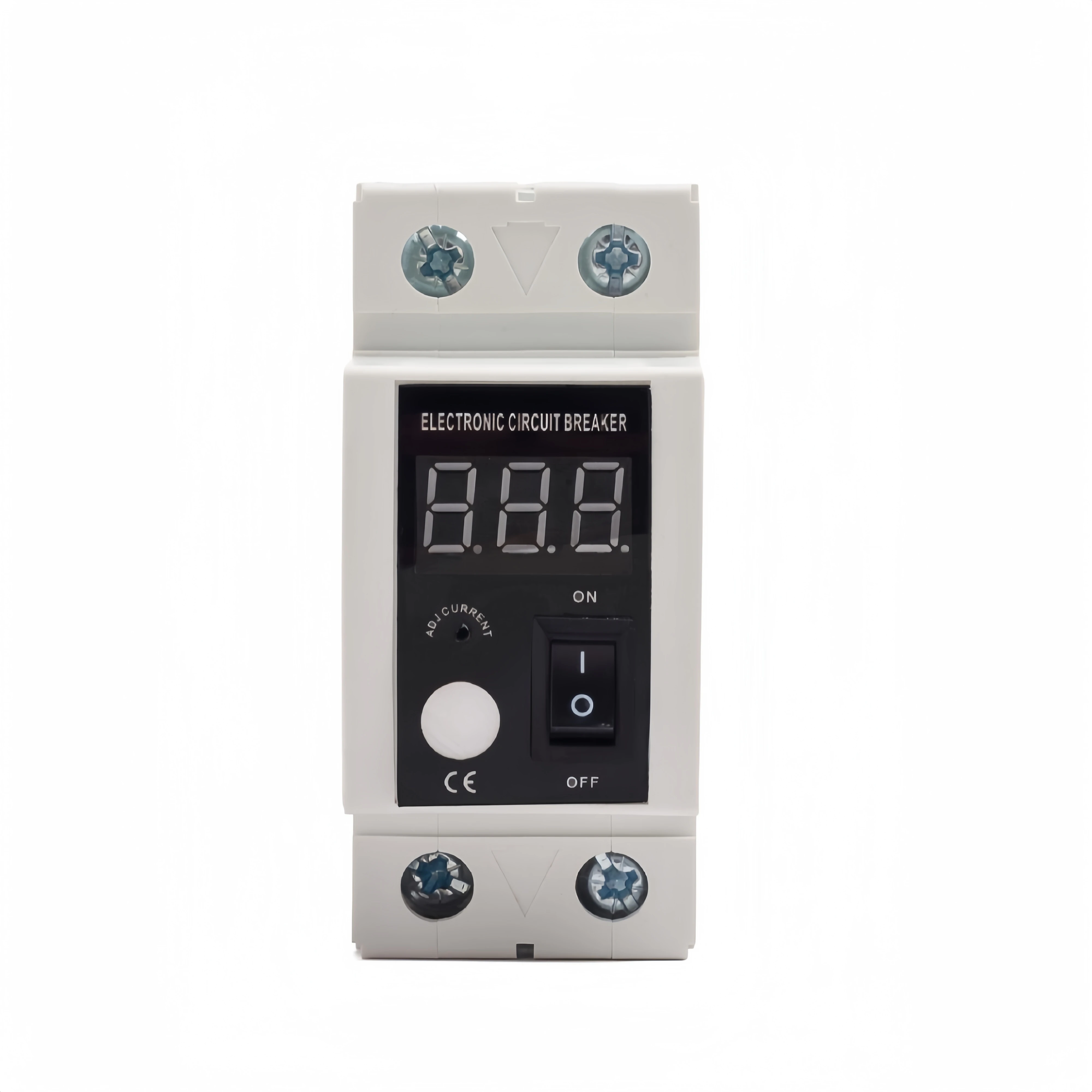
Current protectors serve as essential safeguards across diverse electrical applications, but their benefits are most pronounced in environments where electrical loads vary significantly, equipment downtime carries high costs, or safety risks demand absolute protection. Identifying optimal applications for current protector deployment enables facility managers and electrical engineers to prioritize installations where these devices deliver maximum operational value and risk mitigation.
Manufacturing environments rely heavily on motor-driven equipment where current protector installation provides critical overload protection. Electric motors powering conveyors, pumps, compressors, and production machinery generate varying current demands based on mechanical load conditions. A current protector monitors these fluctuations continuously, preventing motor windings from overheating due to excessive current draw during startup sequences or mechanical binding events.
Variable frequency drive systems particularly benefit from current protector integration because VFD output characteristics can create unique harmonic distortions and current patterns. The current protector acts as an additional safety layer beyond the VFD's internal protection, ensuring that downstream motors receive proper overcurrent protection even when drive parameters are incorrectly configured or internal protection systems fail.
Production line automation systems depend on synchronized equipment operation where a single motor failure can shut down entire manufacturing processes. Installing current protectors on critical drive motors minimizes unplanned downtime by providing early warning of developing electrical problems before they escalate into complete equipment failures requiring extensive repair time.
Steel mills, cement plants, mining operations, and chemical processing facilities operate equipment with substantial electrical demands where current protector deployment becomes essential for maintaining operational continuity. Large-scale crushers, mills, kilns, and processing equipment draw hundreds of amperes during normal operation, making accurate overcurrent detection and protection crucial for preventing catastrophic equipment damage.
Heavy industrial applications benefit from current protector installation because mechanical loads can change rapidly due to material variations, wear conditions, or process adjustments. The current protector provides real-time monitoring that enables maintenance teams to identify developing problems before they cause expensive equipment failures or production interruptions.
Mining conveyor systems exemplify applications where current protector benefits are maximized because belt loading varies continuously based on material flow rates and belt condition. The current protector detects abnormal current patterns indicating belt slippage, bearing failures, or drive motor problems, allowing maintenance teams to address issues during planned shutdown periods rather than emergency repairs.
Commercial building HVAC systems present ideal applications for current protector installation because heating, ventilation, and air conditioning equipment operates continuously with varying electrical loads based on weather conditions and occupancy patterns. Rooftop units, chillers, boilers, and air handling systems benefit from current protector monitoring to prevent equipment damage during abnormal operating conditions.
Large commercial chillers require current protector protection because compressor motor starting currents can be substantial, and mechanical problems within the refrigeration system can cause motor overcurrent conditions. The current protector provides protection beyond standard motor overload relays by offering more precise current monitoring and faster response to developing fault conditions.
Building automation systems integrate current protector signals to provide facility managers with early warning of HVAC equipment problems. This integration enables predictive maintenance scheduling and prevents tenant comfort complaints by identifying equipment issues before they result in complete system failures requiring emergency service calls.
Elevator systems represent critical commercial building applications where current protector installation delivers significant safety and reliability benefits. Elevator motors experience varying loads based on car position, passenger weight, and travel direction, making accurate overcurrent protection essential for preventing dangerous equipment failures that could trap passengers or cause safety incidents.
Escalator drive motors benefit from current protector monitoring because mechanical wear in step chains, handrail systems, or drive components can cause gradual increases in motor current that traditional circuit breakers might not detect until damage occurs. The current protector provides early detection of developing mechanical problems, enabling maintenance teams to perform repairs during scheduled maintenance windows rather than emergency shutdowns.
High-rise buildings with multiple elevator systems particularly benefit from current protector deployment because elevator downtime significantly impacts building operations and tenant satisfaction. The current protector enables predictive maintenance strategies that maximize elevator availability while minimizing maintenance costs through early problem detection.
Data center environments require exceptional electrical reliability where current protector installation provides critical protection for uninterruptible power supply systems and backup generators. UPS systems experience varying loads based on IT equipment power demands, and current protector monitoring ensures that UPS inverters and battery charging systems operate within safe current limits during all operating conditions.
Server rack power distribution units benefit from current protector integration because IT equipment power consumption can vary significantly based on processing loads and cooling requirements. The current protector monitors individual rack circuits to prevent overloading conditions that could cause server shutdowns or power distribution equipment failures affecting multiple systems simultaneously.
Emergency generator systems in data centers require current protector protection because generators must start reliably and carry full facility loads during utility power outages. The current protector monitors generator output circuits to ensure that load transfers occur safely and that generator systems operate within acceptable current limits during extended outage periods.
Data center cooling systems represent another critical application where current protector benefits are maximized because cooling equipment operates continuously to maintain server room environmental conditions. Computer room air conditioning units, chilled water pumps, and cooling tower fans require reliable overcurrent protection to prevent equipment failures that could lead to server overheating and data loss.
Precision cooling systems benefit from current protector monitoring because these units must maintain tight temperature and humidity tolerances while responding to varying heat loads from IT equipment. The current protector provides early warning of developing problems in compressors, fans, or pump motors before they cause cooling system failures requiring emergency repairs.
Redundant cooling systems in mission-critical data centers particularly benefit from current protector installation because maintaining cooling system availability is essential for preventing costly server downtime. The current protector enables condition monitoring strategies that maximize cooling system reliability through early detection of developing equipment problems.
Swimming pool and spa systems present residential applications where current protector installation delivers significant benefits because pool equipment operates in challenging environmental conditions with varying electrical loads. Pool pumps, heaters, and automated cleaning systems require reliable overcurrent protection to prevent equipment damage from mechanical problems or electrical faults.
Variable speed pool pumps benefit from current protector monitoring because these motors adjust speed based on filtration requirements and hydraulic conditions. The current protector detects abnormal current patterns indicating impeller blockages, bearing wear, or seal failures before they cause complete pump motor failures requiring expensive repairs or replacements.
Pool heating systems, whether electric resistance heaters or heat pump units, experience varying electrical loads based on water temperature requirements and ambient conditions. The current protector provides protection beyond standard circuit breakers by offering more sensitive detection of developing electrical problems that could cause heating element failures or compressor damage.
Home workshops and garage facilities often contain high-powered electrical tools and equipment where current protector installation provides valuable overload protection. Table saws, air compressors, welding equipment, and large power tools can experience sudden load increases due to material variations or mechanical binding, making current protector monitoring beneficial for preventing motor damage.
Air compressor systems particularly benefit from current protector protection because compressor motors experience high starting currents and varying loads based on air demand and system pressure. The current protector monitors motor current during startup sequences and running conditions to prevent overheating due to excessive duty cycles or mechanical problems within the compressor assembly.
Electric vehicle charging stations represent emerging residential applications where current protector deployment provides safety and equipment protection benefits. EV chargers draw substantial continuous currents, and current protector monitoring ensures that charging circuits operate safely while protecting charging equipment from overcurrent conditions that could cause fire hazards or equipment damage.
Heavy industrial applications like steel mills, cement plants, and mining operations require the most robust current protector specifications because these environments involve high-amperage equipment, harsh operating conditions, and substantial mechanical loads. Current protectors in these applications must handle hundreds of amperes with high interrupting capacities and withstand environmental challenges including dust, vibration, and temperature extremes while maintaining accurate protection coordination.
Current protectors provide enhanced benefits in VFD applications because variable frequency drives can generate harmonic distortions and non-sinusoidal current waveforms that may not be properly detected by conventional overcurrent protection devices. Modern current protectors can accurately monitor true RMS current values in VFD applications, providing reliable protection even when drive output characteristics create complex current patterns that traditional protection methods might miss.
Commercial building applications benefit from current protector installation when equipment downtime creates significant business disruption, occupant safety concerns, or expensive emergency service requirements. Critical factors include equipment accessibility for maintenance, consequences of unexpected failures, load variation patterns, and integration requirements with building automation systems that enable predictive maintenance strategies and operational optimization.
Residential current protector installation becomes valuable for applications involving expensive equipment replacement costs, safety concerns, or equipment located in areas where failures could cause property damage. While standard household circuits typically use conventional circuit breakers, specific applications like pool equipment, workshop machinery, electric vehicle charging, and home automation systems can benefit from the enhanced protection and monitoring capabilities that current protectors provide.

 EN
EN