Selecting the right power protector for industrial applications requires careful consideration of multiple technical and operational factors that directly impact equipment safety, production continuity, and overall system reliability. Industrial environments present unique challenges including voltage fluctuations, power surges, harmonics, and electrical noise that can damage sensitive equipment and disrupt critical operations. The selection process involves evaluating current ratings, protection features, installation requirements, and compatibility with existing electrical infrastructure to ensure optimal performance and long-term reliability.
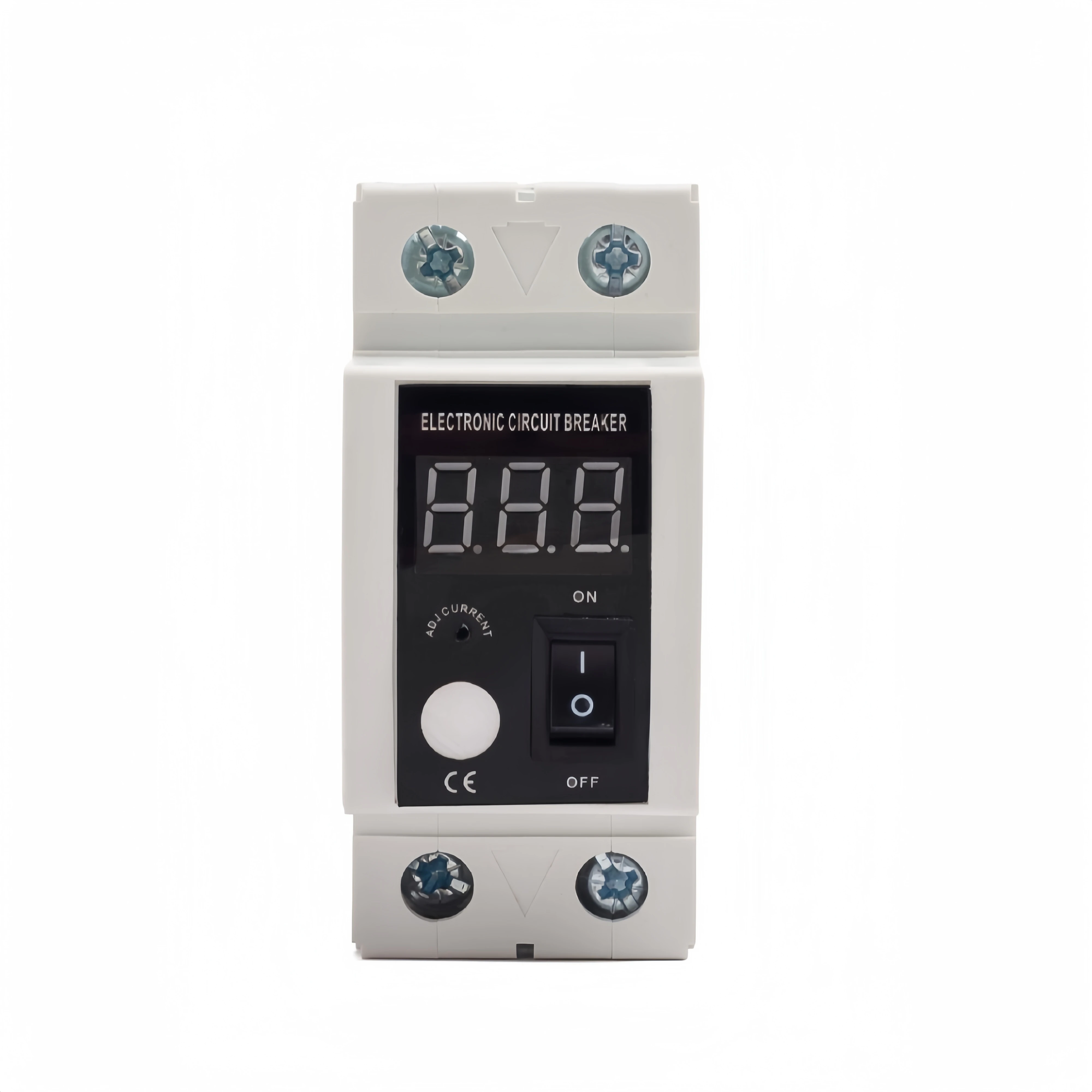
Understanding the specific protection needs of your industrial facility is crucial for making an informed decision when choosing a power protector. Modern industrial power protectors offer advanced features such as overload protection, short circuit protection, earth fault protection, and remote monitoring capabilities that enhance operational safety and system diagnostics. The selection process must account for load characteristics, environmental conditions, regulatory compliance requirements, and future expansion plans to ensure the chosen solution provides comprehensive protection throughout its service life.
Industrial power protectors must be sized according to the specific load characteristics and current requirements of the equipment they protect. Motor loads, for example, require power protectors capable of handling high inrush currents that can be 6-8 times the normal operating current during startup. Resistive loads present different challenges with steady-state current demands that require precise overload protection settings to prevent nuisance tripping while maintaining adequate protection levels.
The rated current of the power protector should align with the full load current of the protected equipment, typically allowing for a 10-20% safety margin to accommodate normal operating variations. Electronic power protectors offer adjustable current settings that provide flexibility in matching protection characteristics to specific load requirements, enabling fine-tuning of trip curves and response times for optimal performance.
Consideration of load diversity and demand factors is essential when selecting power protectors for multi-motor installations or complex industrial processes. The power protector selection must account for simultaneous operation patterns, sequential starting requirements, and potential load variations throughout normal operating cycles to prevent unnecessary interruptions and maintain system reliability.
Industrial environments expose power protectors to challenging conditions including temperature extremes, humidity, dust, vibration, and corrosive atmospheres that can affect performance and longevity. The selected power protector must have appropriate environmental ratings such as IP protection levels, temperature ranges, and vibration resistance to ensure reliable operation in the intended installation location.
Ambient temperature significantly impacts the current-carrying capacity and trip characteristics of power protectors. High-temperature environments may require derating of current ratings or selection of power protectors with enhanced thermal performance to maintain proper protection levels. Similarly, low-temperature conditions can affect electronic components and require consideration of cold weather starting characteristics.
Installation space constraints and accessibility requirements influence the physical size and mounting options for the power protector. Compact designs with modular construction enable efficient use of panel space while maintaining easy access for maintenance, testing, and replacement activities. The selection process should consider future maintenance requirements and ensure adequate clearances for safe operation and servicing.
Effective overload protection is fundamental to preventing motor damage and ensuring safe operation of industrial equipment. Modern power protectors utilize sophisticated algorithms to distinguish between normal starting currents and genuine overload conditions, providing time-delayed protection that allows equipment to start normally while preventing damage from sustained overcurrent conditions. The trip curve characteristics must match the thermal withstand capabilities of the protected equipment.
Short circuit protection requires rapid response to prevent equipment damage and ensure personnel safety. Electronic power protector devices offer instantaneous trip functions with adjustable settings to coordinate with upstream protection devices and minimize the impact of fault conditions on the electrical system. Proper coordination ensures selective operation where only the affected circuit is interrupted during fault conditions.
The breaking capacity of the power protector must exceed the maximum prospective fault current at the installation point to ensure safe interruption of fault currents. This requirement necessitates fault level studies and coordination with upstream protection devices to verify adequate protection capabilities throughout the electrical distribution system.
Contemporary power protectors incorporate advanced monitoring capabilities that provide real-time data on current consumption, power quality parameters, and equipment operating conditions. These features enable predictive maintenance strategies, energy optimization, and early detection of developing problems before they result in equipment failure or production disruption.
Communication interfaces allow integration with industrial automation systems, building management systems, and maintenance management platforms to provide centralized monitoring and control capabilities. Ethernet, Modbus, and wireless communication options enable remote access to protection device status, historical data, and diagnostic information that supports efficient maintenance operations and system optimization.
Data logging capabilities capture operational parameters, trip events, and system disturbances that provide valuable insights into equipment performance and electrical system behavior. This information supports troubleshooting activities, performance optimization, and compliance with regulatory reporting requirements while enabling evidence-based decision-making for system improvements.
The power protector must be compatible with the supply voltage and frequency characteristics of the electrical system. Industrial facilities may operate at various voltage levels including 110V, 230V, 400V, or higher voltages depending on the application requirements and regional standards. Single-phase and three-phase configurations require different protection approaches and device specifications.
Voltage tolerance capabilities ensure reliable operation during normal supply variations and temporary voltage fluctuations that commonly occur in industrial electrical systems. Wide operating voltage ranges provide flexibility in applications where supply quality may vary or where the power protector may be relocated to different electrical systems with varying characteristics.
Frequency tolerance is particularly important in applications where variable frequency drives, generators, or international equipment may create frequency variations. The power protector must maintain accurate protection functions across the expected frequency range to ensure consistent performance in all operating conditions.
Proper coordination with upstream and downstream protection devices is essential for achieving selective operation and minimizing system disruption during fault conditions. The power protector characteristics must be coordinated with motor control centers, distribution panels, and individual equipment protection to ensure appropriate protection levels at all points in the electrical system.
Time-current coordination studies verify that protection devices operate in the correct sequence during fault conditions, with the device closest to the fault operating first to minimize the extent of power interruption. This coordination requires careful analysis of device characteristics and proper setting of adjustable parameters to achieve optimal system performance.
Ground fault protection coordination ensures personnel safety and equipment protection while maintaining system availability. The power protector ground fault settings must coordinate with upstream devices and comply with applicable electrical codes and safety standards to provide comprehensive protection against electrical hazards.
The physical installation of power protectors requires proper mounting techniques, adequate clearances, and appropriate wiring methods to ensure safe and reliable operation. Panel mounting options include DIN rail mounting, fixed mounting, and draw-out designs that accommodate different installation requirements and maintenance preferences.
Wiring connections must be properly sized and torqued to prevent overheating and ensure reliable electrical contact. Terminal designs vary from screw terminals to spring-loaded connections, each offering specific advantages in terms of installation speed, maintenance requirements, and vibration resistance. Proper wire routing and strain relief prevent mechanical stress on connections.
Installation documentation should include wiring diagrams, setting instructions, and commissioning procedures to ensure proper configuration and testing of the power protector. Clear labeling and identification facilitate maintenance activities and reduce the risk of errors during system modifications or troubleshooting activities.
Regular testing and calibration of power protectors ensures continued accuracy and reliability throughout their service life. Electronic power protectors typically require less frequent calibration than electromechanical devices but benefit from periodic verification of protection settings and response characteristics to maintain optimal performance.
Primary injection testing verifies the accuracy of current sensing and trip functions by applying known test currents and measuring the device response. This testing confirms proper operation of both overload and short circuit protection functions across the full range of operating conditions and validates coordination with other protection devices.
Secondary testing methods use external test equipment to simulate fault conditions without applying high currents to the protected circuit. These methods enable testing of electronic functions, communication interfaces, and monitoring capabilities without disrupting normal operations or requiring significant test current sources.
The selection of power protectors involves balancing initial purchase costs with long-term operational benefits and total cost of ownership considerations. While advanced electronic power protectors may have higher initial costs compared to basic thermal-magnetic devices, they often provide superior protection accuracy, enhanced monitoring capabilities, and reduced maintenance requirements that justify the additional investment.
Energy monitoring features in advanced power protectors enable identification of energy waste, power quality issues, and opportunities for operational improvements that can result in significant cost savings over time. These capabilities support energy management initiatives and help optimize equipment operation for maximum efficiency and minimum operating costs.
Reduced downtime and equipment protection provided by properly selected power protectors prevents costly production interruptions, equipment damage, and emergency repair situations. The investment in quality protection equipment typically pays for itself through avoided costs and improved system reliability over the equipment lifecycle.
Quantifying the return on investment for power protector upgrades requires consideration of multiple factors including avoided downtime costs, reduced maintenance expenses, energy savings, and improved equipment life. Historical data on equipment failures, maintenance costs, and production disruptions provides the baseline for calculating potential savings from improved protection.
Predictive maintenance capabilities enabled by advanced power protectors can significantly reduce unplanned maintenance costs and extend equipment life by enabling condition-based maintenance strategies. Early detection of developing problems allows for planned maintenance during scheduled shutdowns rather than emergency repairs during production periods.
Energy optimization features contribute to ongoing operational savings through improved power factor, reduced energy waste, and optimized equipment operation. These benefits accumulate over time and provide ongoing return on the initial investment in advanced power protection technology.
The current rating should match the full load current of your equipment with a 10-20% safety margin. For motor loads, consider the starting current characteristics and select a power protector with appropriate trip curves that allow normal starting while providing overload protection. Electronic power protectors with adjustable settings offer flexibility to match specific load requirements.
Conduct time-current coordination studies to verify that protection devices operate selectively during fault conditions. The power protector settings must be coordinated with upstream circuit breakers and downstream contactors to ensure only the affected circuit trips during faults. Consider both overload and short circuit coordination requirements.
Consider ambient temperature ranges, humidity levels, dust exposure, vibration, and corrosive atmospheres when selecting power protectors. Choose devices with appropriate IP ratings and environmental specifications for your installation conditions. High temperatures may require derating of current ratings or enhanced thermal performance specifications.
Advanced monitoring features provide significant value through predictive maintenance capabilities, energy optimization, and system diagnostics that reduce downtime and operational costs. The investment typically pays for itself through avoided equipment failures, reduced maintenance costs, and energy savings, especially in critical industrial applications where downtime costs are high.

 EN
EN