Współczesne systemy elektryczne napotykają rosnące wyzwania wynikające z niestabilności napięcia, przepięć oraz zakłóceń w zasilaniu, które mogą uszkodzić drogie urządzenia i sprzęt. System ochrony przed przekroczeniem napięcia stanowi kluczową barierę ochronną przeciwko tym zagrożeniom elektrycznym, zapewniając kompleksową ochronę w zastosowaniach mieszkaniowych i komercyjnych. Te zaawansowane urządzenia ochronne uległy znacznemu rozwojowi, obejmując zaawansowane funkcje monitoringu oraz zautomatyzowane mechanizmy reagowania, gwarantujące optymalny poziom bezpieczeństwa elektrycznego. Zrozumienie cech i korzyści gniazdek z ochroną przed przekroczeniem napięcia pomaga konsumentom podejmować świadome decyzje dotyczące ochrony swoich wartościowych inwestycji w sprzęt elektroniczny przed potencjalnie katastrofalnymi uszkodzeniami spowodowanymi przez zjawiska elektryczne.
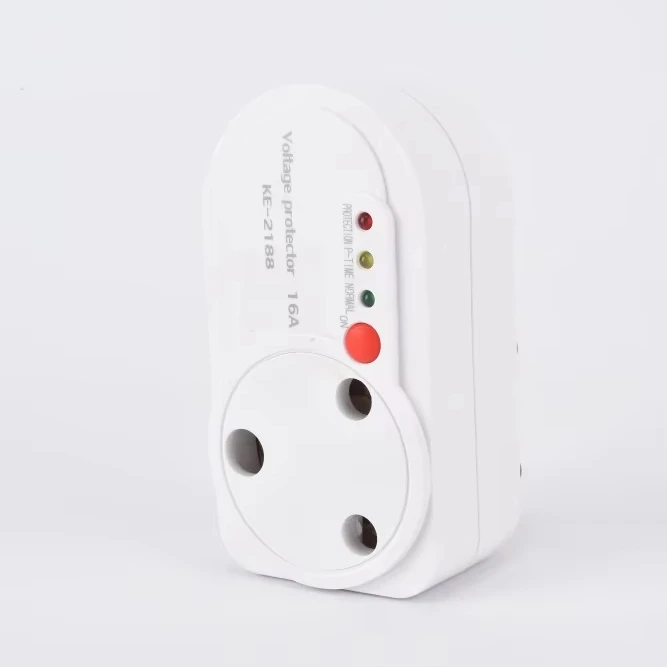
Podstawą każdego skutecznego systemu ochrony przed przepięciami jest jego zaawansowana zdolność do monitorowania napięcia. Takie systemy stale śledzą parametry elektryczne, mierząc poziomy napięcia wejściowego z dużą dokładnością, aby wykrywać nawet niewielkie odchylenia od dopuszczalnych zakresów. Zaawansowane obwody monitorujące wykorzystują technologię opartą na mikroprocesorach, umożliwiającą reagowanie na fluktuacje napięcia w ciągu milisekund, zapewniając szybkie aktywowanie ochrony w przypadku wystąpienia niebezpiecznych warunków. System monitorujący zawiera zazwyczaj programowalne ustawienia progowe, które pozwalają użytkownikom dostosować poziomy ochrony do konkretnych wymagań urządzeń oraz lokalnych warunków zasilania elektrycznego.
Nowoczesne gniazda z ochroną napięciową wykorzystują wielostopniowe monitorowanie, które śledzi nie tylko przekroczenia napięcia, ale także sytuacje niedociążenia napięcia, które mogą być równie szkodliwe dla wrażliwych urządzeń elektronicznych. Kompleksowe podejście do monitorowania zapewnia pełną ochronę w całym zakresie napięć, zapobiegając uszkodzeniom zarówno przy wysokim, jak i niskim napięciu. Technologia monitorowania często obejmuje funkcje pamięci rejestrujące zdarzenia elektryczne, dostarczając cennych informacji diagnostycznych służących celom rozwiązywania problemów i konserwacji.
Gdy wykrywane są niebezpieczne warunki napięcia, system ochrony przed przekroczeniem napięcia inicjuje natychmiastowe procedury odłączenia, aby izolować podłączone urządzenia od szkodliwych warunków elektrycznych. Ta funkcja automatycznego odłączenia działa za pośrednictwem szybkich układów przekaźnikowych lub technologii przełączania półprzewodnikowego, które mogą przerwać przepływ mocy w ułamkach sekundy. Mechanizm odłączenia został zaprojektowany tak, aby bezpiecznie obsługiwać obciążenia wysokoprądowe, zachowując przy tym niezawodną pracę przez tysiące cykli przełączania.
Automatyczna możliwość ponownego podłączenia stanowi kolejną kluczową funkcję, umożliwiającą systemowi automatyczne przywrócenie zasilania po powrocie do bezpiecznych warunków napięcia. Ten inteligentny proces ponownego podłączenia zwykle obejmuje programowalne timery opóźniające, które zapobiegają zbyt wcześniejszemu przywróceniu zasilania w trakcie niestabilnych warunków elektrycznych. Niektóre zaawansowane systemy wykorzystują algorytmy uczenia się, które dostosowują czas ponownego podłączenia na podstawie historycznych wzorców elektrycznych oraz częstotliwości zakłóceń.
Ponad podstawową ochronę przed przepięciami, nowoczesne gniazda z ochroną napięciową integrują zaawansowaną technologię ograniczania przepięć, która chroni przed chwilowymi szczytami napięcia oraz przepięciami wywołanymi uderzeniem pioruna. System ochrony przed przepięciami wykorzystuje wielowarstwową konstrukcję elementów ograniczających przepięcia, w tym warystory tlenkowe metalu, lampy wyładowcze gazowe oraz kondensatory filtrujące, które współpracują ze sobą, aby pochłaniać i odprowadzać niebezpieczną energię elektryczną. Takie wielopoziomowe podejście zapewnia kompleksową ochronę przed różnymi rodzajami zakłóceń elektrycznych, jakie mogą wystąpić w typowych instalacjach elektrycznych.
Funkcja ograniczania przepięć zapewnia ochronę zarówno przed zakłóceniami w trybie wspólnym, jak i w trybie różnicowym, które mogą zakłócać pracę czułej aparatury elektronicznej. Zaawansowane obwody filtrujące w systemie ochrony wspomagają dostarczanie czystego zasilania nawet w okresach zakłóceń elektrycznych, zapewniając optymalną wydajność podłączonych urządzeń oraz skuteczną ochronę przed zdarzeniami elektrycznymi powodującymi uszkodzenia.
Monitorowanie temperatury oraz ochrona termiczna stanowią kluczowe funkcje bezpieczeństwa w profesjonalnych systemach ochrony napięcia. Mechanizmy te zapobiegają przegrzewaniu, które mogłoby zagrozić niezawodności systemu lub stworzyć zagrożenia dla bezpieczeństwa podczas długotrwałej pracy. Czujniki temperatury stale monitorują temperaturę wewnętrznych komponentów i uruchamiają działania ochronne po przekroczeniu ustalonych progów temperatury, aby zapobiec uszkodzeniu samego systemu ochrony.
System ochrony termicznej zwykle obejmuje funkcje automatycznego ograniczania obciążenia oraz zarządzania chłodzeniem, które wspomagają utrzymanie optymalnych temperatur roboczych przy zmiennych warunkach obciążenia. Niektóre zaawansowane projekty systemów ochrony przed przepięciami zawierają predykcyjne zarządzanie termiczne, które przewiduje wzrost temperatury na podstawie charakterystyki obciążenia i warunków otoczenia, umożliwiając proaktywne zarządzanie temperaturą jeszcze przed osiągnięciem krytycznych wartości.
Współczesne gniazda ochrony napięciowej wyposażone są w kompleksowe cyfrowe systemy wyświetlania, zapewniające informacje w czasie rzeczywistym o parametrach elektrycznych oraz stanie systemu. Na takich wyświetlaczach pokazywane są zwykle aktualne poziomy napięcia, prąd obciążenia, zużycie mocy oraz stan systemu ochrony za pomocą czytelnych interfejsów LCD lub LED. Wizualna informacja zwrotna pomaga użytkownikom monitorować warunki pracy instalacji elektrycznej i sprawdzać prawidłowość działania systemu, a także zapewnia natychmiastowe powiadomienie o wszelkich działaniach ochronnych podejmowanych przez system.
Zaawansowane systemy wyświetlania często obejmują funkcje rejestrowania danych historycznych, które śledzą parametry elektryczne w czasie, ułatwiając identyfikację wzorców zakłóceń elektrycznych oraz ocenę wydajności systemu. Niektóre modele oferują wyświetlanie graficzne trendów napięcia oraz częstotliwości zakłóceń, zapewniając cenne informacje do analizy i optymalizacji systemów elektrycznych. Interfejs użytkownika może zawierać programowalne ustawienia alarmów oraz dostosowywalne opcje wyświetlania, umożliwiające użytkownikom skupienie się na najważniejszych informacjach dla ich konkretnych zastosowań.
Współczesne projekty systemów ochrony przed przepięciami coraz częściej obejmują funkcje zdalnego monitoringu i sterowania, umożliwiające użytkownikom obserwację i zarządzanie systemami ochrony z odległych lokalizacji. Funkcje te wykorzystują technologie komunikacji bezprzewodowej lub połączenie z internetem, zapewniając aktualizacje stanu w czasie rzeczywistym oraz pozwalając na zdalną konfigurację parametrów ochrony. Możliwość zdalnego monitoringu okazuje się szczególnie przydatna w zastosowaniach komercyjnych i przemysłowych, gdzie wiele systemów ochrony wymaga scentralizowanego zarządzania i monitoringu.
Funkcja zdalnego monitoringu często obejmuje aplikacje dla smartfonów oraz interfejsy oparte na przeglądarce internetowej, zapewniające kompleksowe możliwości zarządzania systemem. Użytkownicy mogą otrzymywać natychmiastowe powiadomienia o zdarzeniach elektrycznych, zdalnie dostosowywać ustawienia ochrony oraz uzyskiwać dostęp do szczegółowych raportów dotyczących wydajności poprzez wygodne interfejsy mobilne i stacjonarne. Ta łączność umożliwia planowanie konserwacji w sposób proaktywny oraz szybką reakcję na problemy związane z systemami elektrycznymi, maksymalizując ochronę urządzeń i minimalizując czas przestoju.
Większość nowoczesnych gniazdek z ochroną przed przepięciami charakteryzuje się przyjaznym dla użytkownika projektem typu plug-and-play, który upraszcza instalację i zmniejsza jej złożoność dla końcowych użytkowników. System ochrony przed przepięciami zwykle nie wymaga specjalnego okablowania ani modyfikacji instalacji elektrycznej, umożliwiając bezpośrednie podłączenie między istniejącymi gniazdami elektrycznymi a chronionym sprzętem. Taka prosta metoda instalacji czyni ochronę przed przepięciami dostępną również dla użytkowników domowych, zachowując przy tym zaawansowane możliwości ochrony wymagane w trudnych zastosowaniach.
Projekt typu plug-and-play często obejmuje funkcje automatycznej konfiguracji, które wykrywają cechy podłączonego sprzętu i odpowiednio optymalizują parametry ochrony. Inteligentne procedury inicjalizacji analizują wymagania obciążenia oraz warunki elektryczne, aby ustalić odpowiednie ustawienia ochrony bez konieczności szczegółowej konfiguracji przez użytkownika. Ten zautomatyzowany proces konfiguracji zapewnia optymalną wydajność ochrony, eliminując przy tym potencjalne błędy konfiguracji, które mogłyby zagrozić skuteczności systemu.
Zaawansowane systemy ochrony przed przekroczeniem napięcia oferują szerokie możliwości dostosowania, umożliwiające użytkownikom dopasowanie charakterystyk ochrony do konkretnych wymagań aplikacji oraz lokalnych warunków elektrycznych. Do typowych parametrów konfigurowalnych należą ustawienia progów napięcia, regulacje opóźnienia czasowego oraz sterowanie czułością, które można skonfigurować zgodnie z indywidualnymi potrzebami ochrony danego sprzętu. Elastyczność w dostosowywaniu parametrów ochrony zapewnia optymalny kompromis między bezpieczeństwem sprzętu a ciągłością jego działania w różnorodnych zastosowaniach.
Systemy profesjonalnego poziomu mogą oferować wiele profili ochrony, które można wybierać lub programować dla różnych typów podłączanego sprzętu. system ochrony przed przepięciem opcje konfiguracji obejmują często ustawienia dostosowane do konkretnego obciążenia, zoptymalizowane dla urządzeń AGD, komputerów, sprzętu przemysłowego oraz innych zastosowań specjalistycznych, zapewniając odpowiednie charakterystyki ochrony dla każdego typu sprzętu.
Skuteczność dowolnego systemu ochrony przed przepięciami zależy krytycznie od jego charakterystyk czasu odpowiedzi oraz zdolności szybkiej reakcji na niebezpieczne warunki elektryczne. Nowoczesne systemy ochrony osiągają czasy odpowiedzi mierzone w milisekundach, zapewniając szybkie aktywowanie ochrony, które zapobiega uszkodzeniu wrażliwych komponentów elektronicznych. Szybkie możliwości odpowiedzi wynikają z zaawansowanych obwodów wykrywania oraz technologii przełączania wysokiej prędkości, które minimalizują czas pomiędzy wykryciem usterki a wykonaniem działania ochronnego.
Czas reakcji zależy od rodzaju zakłóceń elektrycznych oraz zastosowanego mechanizmu ochrony; poszczególne funkcje ochronne są zoptymalizowane pod kątem konkretnych scenariuszy zagrożeń. Wykrywanie przekroczenia napięcia charakteryzuje się zazwyczaj najkrótszym czasem reakcji, podczas gdy ochrona przed niedociśnieniem może zawierać celowe opóźnienia, aby zapobiec niepotrzebnym wyłączeniom w przypadku krótkotrwałych spadków napięcia. Projekt systemu ochrony przed przekroczeniem napięcia uwzględnia zarówno wymóg szybkiej reakcji, jak i konieczność zapewnienia stabilności działania, co pozwala na niezawodną ochronę bez niepotrzebnych przerw w pracy.
Profesjonalne systemy ochrony napięcia charakteryzują się solidną konstrukcją oraz wysokiej jakości komponentami zaprojektowanymi w celu zapewnienia niezawodnego działania przez długie okresy eksploatacji. Do cech trwałości należą odporność na obciążenia elektryczne, cyklowanie termiczne oraz zużycie mechaniczne, które mogą wystąpić w trakcie normalnej pracy oraz działań ochronnych. Systemy ochrony wysokiej jakości wykorzystują komponenty przeznaczone do zastosowań przemysłowych oraz ochronne obudowy, które zachowują integralność ich właściwości eksploatacyjnych nawet w trudnych warunkach środowiskowych.
Cechy zapewniające długotrwałość często obejmują wymienne elementy ochronne oraz konstrukcje modułowe, które ułatwiają konserwację i przedłużanie okresu użytkowania. Konstrukcja systemu ochrony przed przekroczeniem napięcia zwykle zawiera nadmiarowe elementy ochronne oraz mechanizmy zapewniające bezpieczny stan awaryjny, które utrzymują podstawowe możliwości ochrony nawet w przypadku stopniowego zużycia poszczególnych komponentów w czasie. Regularna weryfikacja parametrów działania oraz procedury konserwacyjne pomagają zapewnić ciągłą niezawodność przez cały okres eksploatacji systemu.
System ochrony przed przekroczeniem napięcia wykorzystuje ciągłe obwody monitoringu napięcia, które porównują poziomy napięcia wejściowego z ustalonymi zakresami bezpiecznej pracy. Gdy zmierzone napięcie przekracza górny próg przez określony czas, system uruchamia automatyczne odłączenie za pomocą szybkodziałających przekaźników lub przełączników półprzewodnikowych. Proces wykrywania obejmuje zazwyczaj wiele cykli pomiarowych, aby zapobiec fałszywemu uruchomieniu spowodowanemu krótkotrwałymi szczytami napięcia, zapewniając tym samym niezawodne aktywowanie ochrony wyłącznie w przypadku rzeczywistych stanów przekroczenia napięcia stwarzających ryzyko uszkodzenia sprzętu.
Nowoczesne gniazda z ochroną przed przepięciami są zaprojektowane tak, aby radzić sobie z różnymi pojemnościami obciążenia; wiele modeli jest specjalnie przeznaczonych do urządzeń wysokoprądowych, takich jak lodówki, klimatyzatory oraz inne urządzenia napędzane silnikami. System ochrony musi być odpowiednio dobrany do podłączonego obciążenia, a jego nominalny prąd znamionowy powinien przekraczać wymagania urządzenia o odpowiednie zapasy bezpieczeństwa. W przypadku zastosowań wysokoprądowych mogą być wymagane specjalne funkcje ochrony, takie jak kompensacja rozruchu silnika czy obsługa prądów udarowych, aby zapobiec niepożądanej aktywacji zabezpieczenia w trakcie normalnych cykli pracy urządzenia.
Gdy system ochrony przed przekroczeniem napięcia zostaje aktywowany, natychmiast odłącza zasilanie wszystkich podłączonych urządzeń, skutecznie izolując je od niebezpiecznych warunków elektrycznych. Proces odłączenia przebiega na tyle szybko, aby zapobiec uszkodzeniom i jednocześnie zapewnić bezpieczne wyłączenie podłączonych urządzeń. Większość systemów ochrony sygnalizuje podjęcie działania ochronnego za pomocą wskaźników wizualnych i dźwiękowych, a wiele modeli wyposażonych jest również w funkcję automatycznego ponownego podłączenia, która przywraca zasilanie po powrocie napięcia do bezpiecznego poziomu oraz upływie odpowiednich okresów opóźnienia.
Systemy ochrony przed przekroczeniem napięcia powinny być regularnie testowane w celu sprawdzenia prawidłowego działania oraz skuteczności ochrony; częstotliwość testów zależy od krytyczności zastosowania oraz warunków środowiskowych. Miesięczne inspekcje wizualne i kwartalne testy funkcyjne stanowią typowy harmonogram konserwacji dla zastosowań mieszkaniowych, podczas gdy instalacje komercyjne i przemysłowe mogą wymagać częstszych testów. System ochrony przed przekroczeniem napięcia powinien być profesjonalnie inspektowany raz w roku w celu zweryfikowania dokładności kalibracji oraz wymiany wszelkich zużytych elementów ochronnych, które mogłyby zagrozić niezawodności systemu.

 EN
EN