A voltage regulator is an essential electrical component that maintains stable output voltage regardless of input voltage fluctuations or load variations. In modern electrical systems, these devices play a critical role in protecting sensitive equipment from power surges, voltage drops, and other electrical disturbances. Whether in industrial applications, residential settings, or commercial environments, understanding the benefits of implementing a voltage regulator can significantly impact system reliability and equipment longevity. The importance of voltage regulation has grown exponentially as our dependence on electronic devices and precision equipment continues to increase across all sectors.
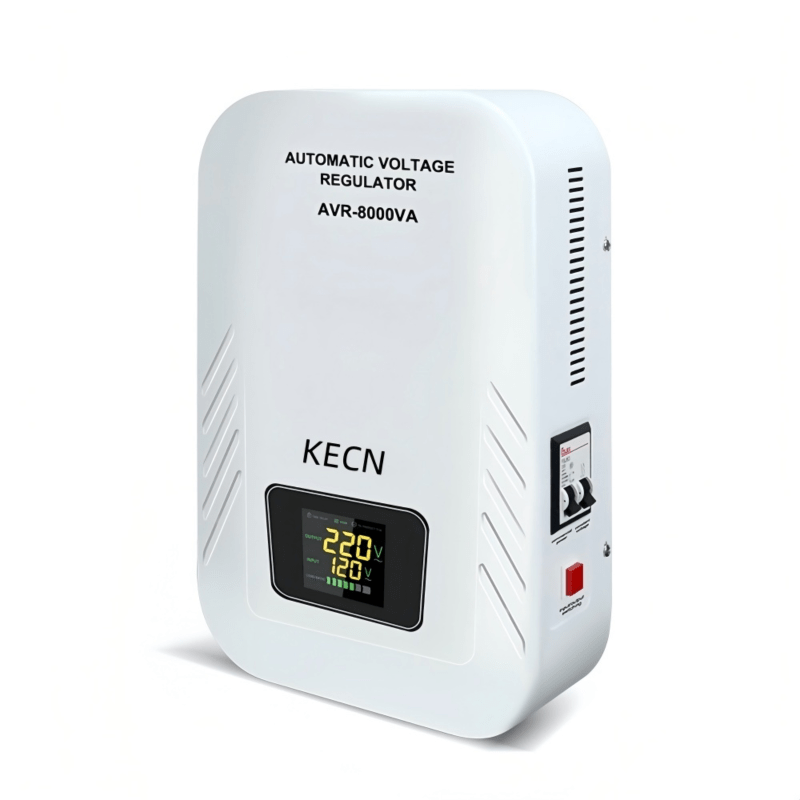
One of the primary advantages of using a voltage regulator is its ability to protect equipment from sudden voltage spikes and surges. These electrical disturbances can occur due to lightning strikes, power grid switching, or heavy machinery starting up in nearby facilities. Without proper voltage regulation, these surges can cause immediate damage to sensitive electronic components, resulting in costly repairs or complete equipment replacement. A quality voltage regulator acts as a buffer, absorbing excess voltage and preventing it from reaching connected devices.
Modern voltage regulators incorporate sophisticated surge suppression technologies that can respond to voltage anomalies within milliseconds. This rapid response time is crucial for protecting computers, medical equipment, manufacturing machinery, and other precision instruments that operate within narrow voltage tolerances. The financial benefits of surge protection often far exceed the initial investment in voltage regulation equipment, making it a cost-effective solution for businesses and homeowners alike.
Voltage sags, also known as brownouts, occur when the supply voltage drops below normal levels for extended periods. These conditions can cause equipment to malfunction, operate inefficiently, or shut down unexpectedly. A voltage regulator addresses this issue by automatically boosting the output voltage to maintain stable power delivery. This capability is particularly valuable in areas with unreliable power grids or during peak demand periods when utility companies may reduce voltage levels to prevent blackouts.
Industrial facilities often experience significant productivity losses due to voltage sags that disrupt manufacturing processes or damage production equipment. By implementing comprehensive voltage regulation systems, these facilities can maintain consistent operations regardless of grid conditions. The voltage regulator continuously monitors input voltage levels and makes real-time adjustments to ensure that connected equipment receives clean, stable power at all times.
Electronic equipment and machinery are designed to operate within specific voltage ranges to achieve optimal performance and efficiency. When voltage levels deviate from these specifications, equipment may operate at reduced capacity, consume more energy, or produce substandard results. A voltage regulator ensures that all connected devices receive precisely the voltage they require, enabling them to function at peak performance levels consistently.
In manufacturing environments, maintaining optimal voltage conditions can directly impact product quality, production speed, and overall operational efficiency. Motors, drives, and control systems all benefit from stable voltage supply, resulting in smoother operation, reduced vibration, and improved precision. This enhanced performance translates to higher productivity, better product quality, and reduced waste, ultimately contributing to improved profitability and competitiveness.
Voltage fluctuations place significant stress on electrical components, accelerating wear and tear that leads to premature failure. Capacitors, transformers, motors, and semiconductor devices are particularly susceptible to voltage-related damage that can reduce their operational lifespan considerably. By providing stable voltage output, a voltage regulator minimizes this stress and helps equipment reach or exceed its designed service life.
The cumulative effect of extended equipment lifespan can result in substantial cost savings over time. Reduced maintenance requirements, fewer emergency repairs, and delayed capital equipment replacements all contribute to improved return on investment. Additionally, equipment that operates under stable voltage conditions typically maintains better performance characteristics throughout its service life, providing consistent value to users.
Poor power quality, characterized by voltage variations, harmonics, and other electrical disturbances, can significantly impact energy efficiency across electrical systems. A voltage regulator addresses these issues by cleaning and stabilizing the power supply, enabling connected equipment to operate at designed efficiency levels. This optimization is particularly important for variable frequency drives, lighting systems, and HVAC equipment that can consume considerably more energy when operating under poor power conditions.
The energy savings achieved through voltage regulation can be substantial, particularly in facilities with large electrical loads or sensitive equipment. Studies have shown that implementing comprehensive voltage regulation can reduce energy consumption by five to fifteen percent in typical commercial and industrial applications. These savings compound over time, making voltage regulation an excellent investment for organizations focused on reducing operational costs and environmental impact.
Equipment operating under stable voltage conditions requires less frequent maintenance and experiences fewer unexpected failures. This reliability translates to reduced maintenance costs, improved uptime, and enhanced operational efficiency. Maintenance teams can focus on preventive measures rather than reactive repairs, leading to better resource allocation and improved facility management.
The predictability that comes with voltage regulation enables better maintenance planning and budgeting. Organizations can schedule maintenance activities during planned downtime rather than responding to emergency situations that disrupt operations and increase costs. This proactive approach to equipment management contributes to overall operational excellence and competitive advantage.
Manufacturing facilities rely heavily on precision equipment, automated systems, and process control technologies that require stable voltage supply for optimal operation. Voltage regulators are essential components in these environments, ensuring that production lines operate smoothly and consistently. From CNC machines to robotic assembly systems, voltage regulation supports the high-precision requirements of modern manufacturing processes.
The implementation of voltage regulation in manufacturing environments often results in improved product quality, reduced scrap rates, and enhanced process repeatability. These benefits are particularly important in industries with strict quality standards, such as automotive, aerospace, and medical device manufacturing. A voltage regulator helps maintain the precise operating conditions necessary for these demanding applications.
Hospitals, clinics, and other healthcare facilities depend on reliable electrical power for life-support equipment, diagnostic devices, and critical infrastructure systems. Voltage regulators play a vital role in ensuring that these systems receive clean, stable power at all times. The consequences of power quality issues in healthcare settings can be severe, making voltage regulation a critical safety and reliability measure.
Medical equipment, from imaging systems to patient monitoring devices, often requires precise voltage levels to function accurately and safely. A voltage regulator helps ensure that diagnostic results are reliable, treatment equipment operates as intended, and patient safety is maintained. The investment in voltage regulation technology is essential for healthcare facilities committed to providing the highest quality care.
Proper sizing and selection of voltage regulation equipment is crucial for achieving optimal performance and cost-effectiveness. The voltage regulator must be capable of handling the total electrical load while providing adequate capacity for future expansion. Factors such as load characteristics, input voltage variations, and environmental conditions all influence the selection process and should be carefully evaluated during system design.
Working with experienced electrical engineers and voltage regulation specialists helps ensure that the selected equipment meets all application requirements and provides long-term value. Proper system design considers not only current needs but also future growth, changing load patterns, and evolving technology requirements. This forward-thinking approach helps maximize the return on investment in voltage regulation technology.
Modern voltage regulators are designed to integrate seamlessly with existing electrical systems and can often be installed with minimal disruption to ongoing operations. However, proper planning and coordination are essential to ensure successful implementation. This includes assessing existing electrical infrastructure, identifying potential compatibility issues, and developing installation procedures that minimize downtime.
The integration process may also involve updating control systems, modifying monitoring procedures, and training personnel on new equipment operation and maintenance. A comprehensive approach to system integration ensures that the voltage regulator provides maximum benefit while maintaining operational continuity throughout the implementation process.
While both devices improve power quality, a voltage regulator specifically focuses on maintaining stable voltage levels during normal operation, whereas an uninterruptible power supply provides battery backup during power outages. A voltage regulator continuously conditions incoming power to eliminate voltage variations, surges, and sags, but it cannot provide power during complete utility failures. Many facilities use both technologies together to achieve comprehensive power protection that addresses both power quality issues and backup power requirements during outages.
Voltage regulators typically require minimal maintenance, but regular inspections and basic upkeep help ensure reliable operation and extend equipment life. This includes periodic cleaning of ventilation areas, checking electrical connections, monitoring performance parameters, and replacing any worn components according to manufacturer recommendations. Most modern voltage regulators include diagnostic features that help identify potential issues before they impact performance, enabling proactive maintenance scheduling.
Some advanced voltage regulators include power factor correction capabilities that can improve overall system efficiency and reduce demand charges from utility companies. These units combine voltage regulation with reactive power compensation to address both voltage stability and power factor issues simultaneously. However, not all voltage regulators include this feature, so it is important to specify power factor correction requirements during the selection process if this benefit is desired.
Modern electronic voltage regulators can respond to voltage changes within milliseconds, providing nearly instantaneous correction of voltage variations. This rapid response time is crucial for protecting sensitive electronic equipment that can be damaged by even brief voltage excursions. Mechanical voltage regulators typically have slower response times but may be suitable for applications with less stringent requirements. The response time specification should be matched to the specific needs of the protected equipment to ensure adequate protection.

 EN
EN