Le choix du régulateur de tension approprié pour votre système électrique est une décision critique qui influence directement les performances, la fiabilité et l'efficacité économique. Que vous conceviez un système de commande industriel complexe ou que vous modernisiez une installation commerciale, la compréhension des principes fondamentaux de la régulation de tension garantit une protection optimale des équipements et une efficacité opérationnelle maximale. Les systèmes électriques modernes exigent des solutions de gestion précise de l'alimentation capables de s'adapter à des conditions de charge variables tout en maintenant des caractéristiques de sortie stables.
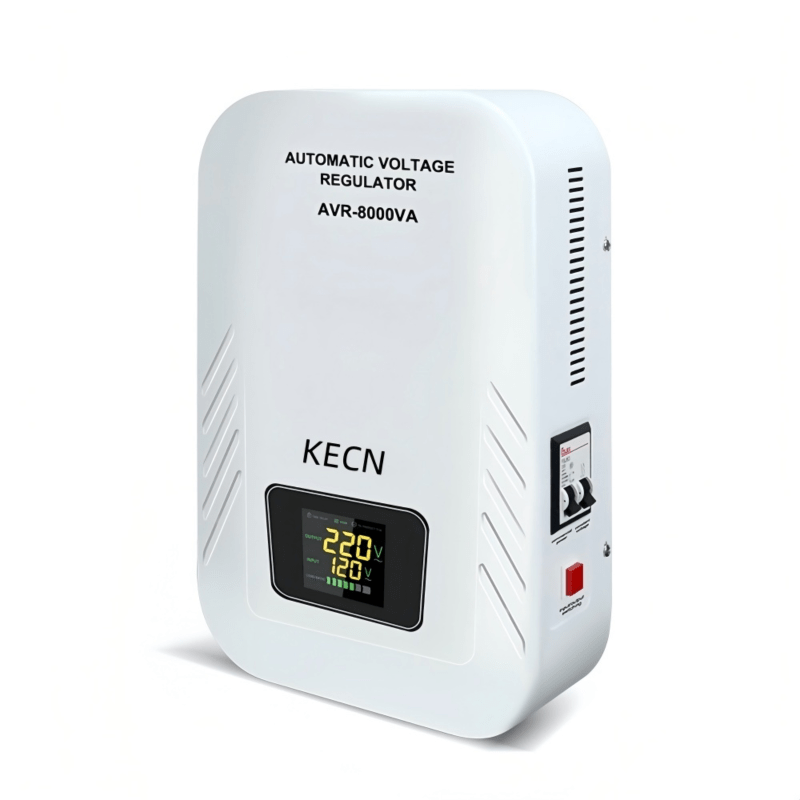
La complexité des besoins énergétiques contemporains exige une évaluation approfondie de diverses spécifications techniques et paramètres de fonctionnement. Les fluctuations de tension peuvent causer des dommages importants aux équipements électroniques sensibles, entraînant des réparations coûteuses et des arrêts imprévus. Les ingénieurs professionnels insistent systématiquement sur l’importance d’adapter les capacités du régulateur aux exigences spécifiques de l’application afin d’assurer la stabilité à long terme du système.
La technologie des régulateurs linéaires de tension fonctionne en dissipant l’énergie excédentaire sous forme de chaleur, ce qui fournit une sortie exceptionnellement propre, avec une ondulation et un bruit minimaux. Ces dispositifs excellent dans les applications nécessitant un contrôle précis de la tension et une faible interférence électromagnétique, ce qui les rend idéaux pour les circuits analogiques sensibles et les équipements audio. Toutefois, leur rendement inférieur par rapport aux solutions à découpage entraîne une consommation d’énergie plus élevée et une génération accrue de chaleur.
Les conceptions de régulateurs de tension à découpage utilisent un découpage haute fréquence pour atteindre des rendements supérieurs, généralement supérieurs à 85 % dans la plupart des applications. Ces régulateurs convertissent la tension d’entrée au moyen de cycles de commutation contrôlés, stockant l’énergie dans des inductances et des condensateurs afin de maintenir une tension de sortie stable. Le compromis réside dans une complexité accrue et une interférence électromagnétique potentielle, ce qui exige une conception soignée du circuit imprimé (PCB) ainsi que des mesures de filtrage appropriées.
Le choix entre les technologies linéaires et à découpage dépend fortement des exigences spécifiques de l’application, notamment les objectifs d’efficacité, la tolérance au bruit, les contraintes d’encombrement et les capacités de gestion thermique. Les approches hybrides modernes combinent les deux technologies afin d’optimiser les performances dans des conditions de fonctionnement variées.
La plage de tension d'entrée représente une spécification fondamentale qui détermine la souplesse de fonctionnement de tout système régulateur de tension. Des plages d’entrée étendues permettent de s’adapter à des conditions d’alimentation variables et offrent une marge de conception plus grande face aux fluctuations imprévues de la tension. Toutefois, des plages d’entrée plus larges compromettent souvent le rendement et augmentent le coût des composants.
La précision de la tension de sortie et les caractéristiques de régulation influencent directement les performances du système et la durée de vie des composants. Les applications haute précision exigent des solutions régulatrices de tension présentant des tolérances très serrées, généralement comprises dans une fourchette de ±1 % ou meilleure. La régulation de charge décrit dans quelle mesure la tension de sortie maintient sa stabilité sous des demandes de courant variables, tandis que la régulation de ligne mesure la réaction aux variations de la tension d’entrée.
Les capacités de réponse transitoire deviennent critiques dans les scénarios de charge dynamique où des variations rapides du courant se produisent. Une récupération transitoire rapide garantit une déviation minimale de la tension lors des transitions de charge soudaines, protégeant ainsi les composants en aval contre des excursions de tension potentiellement dommageables.
Les environnements industriels présentent des défis spécifiques qui exigent des conceptions de régulateurs de tension robustes, capables de résister à des conditions de fonctionnement sévères. Les extrêmes de température, les vibrations, l’humidité et les interférences électromagnétiques nécessitent une attention particulière portée aux classes de tenue environnementale et aux fonctions de protection. Les unités régulatrices de tension industrielles intègrent généralement une gestion thermique améliorée, des boîtiers étanches et des plages de température de fonctionnement étendues.
Les applications de commande de moteur génèrent un bruit électrique important et des perturbations transitoires pouvant perturber les circuits de commande sensibles. Le choix d’un régulateur de tension avec des capacités de filtrage et d'isolation adéquates garantit un fonctionnement fiable dans ces environnements exigeants. Les fonctions de protection contre les surtensions et de tolérance aux pannes offrent une sécurité supplémentaire contre les événements électriques imprévus.
Les systèmes de communication au sein des installations industrielles nécessitent des alimentations ultra-stables afin de préserver l'intégrité des données et d'éviter les erreurs de transmission. Plusieurs sorties isolées permettent une distribution propre de l'alimentation vers divers sous-systèmes, tout en minimisant les interférences dues aux boucles de masse et les couplages indésirables entre les canaux.
Les bâtiments de bureaux modernes intègrent des systèmes sophistiqués de gestion technique du bâtiment qui dépendent d'une régulation fiable de la tension pour assurer des performances optimales. Les commandes de chauffage, ventilation et climatisation (CVC), les systèmes d'éclairage, les équipements de sécurité et les réseaux de communication nécessitent tous des alimentations stables pour fonctionner efficacement. L'efficacité énergétique devient primordiale dans les applications commerciales, où les coûts d'exploitation influencent directement la rentabilité.
Les centres de données et les salles de serveurs constituent des applications particulièrement exigeantes, où même de brèves interruptions d’alimentation peuvent entraîner des pertes financières importantes. Des configurations redondantes de régulateurs de tension dotées de fonctionnalités de basculement automatique garantissent un fonctionnement continu pendant les opérations de maintenance ou en cas de défaillance de composants. Des conceptions à haut rendement minimisent les besoins en refroidissement et réduisent la consommation énergétique globale.
Les systèmes de caisse et les équipements de vente au détail nécessitent des solutions compactes et fiables de régulation de tension, fonctionnant silencieusement et efficacement dans des environnements exposés aux clients. Des designs profilés et un fonctionnement sans ventilateur éliminent les préoccupations liées au bruit tout en assurant des performances thermiques adéquates.
L'évaluation précise de la charge constitue la base d'une sélection appropriée des régulateurs de tension, nécessitant une analyse détaillée des besoins en courant, des profils de consommation électrique et des scénarios de demande maximale. Les charges continues établissent les besoins électriques de base, tandis que les charges intermittentes et pulsées déterminent les exigences de puissance crête et les spécifications de réponse transitoire.
Les marges de sécurité varient généralement de 20 % à 50 % au-dessus des charges maximales calculées, selon la criticité de l'application et les prévisions d'extension future. Un dimensionnement excessif de la capacité du régulateur de tension offre une marge de manœuvre opérationnelle et prolonge la durée de vie des composants, mais un surdimensionnement excessif entraîne une réduction de l'efficacité énergétique et une augmentation des coûts.
Les caractéristiques de charge dynamique nécessitent une attention particulière dans les applications présentant des demandes de puissance rapidement variables. Les courants de démarrage des moteurs, la charge capacitive et les transitoires de commutation peuvent dépasser plusieurs fois les exigences en régime permanent, ce qui impose une évaluation rigoureuse des capacités de gestion des courants de crête.
Les spécifications de la plage de températures de fonctionnement doivent être conformes aux conditions réelles d’installation, y compris les variations de la température ambiante et la chaleur dégagée par les équipements adjacents. Les courbes de déclassement fournies par les fabricants indiquent comment les caractéristiques de performance évoluent en fonction de la température, ce qui permet de prédire avec précision le comportement en conditions réelles.
Les valeurs de temps moyen entre pannes (MTBF) fournissent des indications précieuses sur la fiabilité attendue et les besoins en maintenance. Des valeurs MTBF plus élevées indiquent des conceptions de régulateurs de tension plus fiables, mais les performances réelles sur le terrain dépendent fortement d’une installation correcte, d’un refroidissement adéquat et de conditions de fonctionnement appropriées.
Les fonctions de protection, notamment la protection contre les surtensions, la coupure en cas de sous-tension, la limitation du courant excessif et l’arrêt thermique, renforcent la fiabilité du système et préviennent les défaillances catastrophiques. Ces mécanismes de sécurité protègent à la fois le régulateur de tension lui-même et les équipements connectés contre les dommages causés par des conditions de fonctionnement anormales.
Une dissipation thermique adéquate constitue un facteur critique pour la longévité et la stabilité des performances du régulateur de tension. Les dissipateurs thermiques, les pastilles thermiques et une ventilation suffisante permettent de maintenir les températures de fonctionnement dans les limites spécifiées. L’orientation du montage influence l’efficacité du refroidissement par convection naturelle, le montage vertical offrant généralement de meilleures performances thermiques.
Les exigences en matière de dégagement autour des unités de régulateur de tension facilitent l’accès pour la maintenance et favorisent un flux d’air approprié. Des installations trop serrées restreignent l’efficacité du refroidissement et compliquent les procédures de dépannage. Des dimensions normalisées de montage et des interfaces de connexion simplifient les opérations de remplacement et de mise à niveau.
L’isolation aux vibrations revêt une importance particulière dans les applications mobiles ou dans les environnements soumis à des perturbations mécaniques importantes. Des boîtiers montés sur amortisseurs et des raccordements souples empêchent les contraintes mécaniques d’affecter les composants internes et les connexions électriques.
Les calculs de dimensionnement des câbles doivent tenir compte des limites de chute de tension et des exigences en matière de capacité de transport de courant. Des conducteurs sous-dimensionnés entraînent des pertes d’efficacité et des risques potentiels pour la sécurité, tandis que des câblages surdimensionnés augmentent inutilement les coûts d’installation. La chute de tension doit généralement rester inférieure à 3 % de la tension nominale du système.
Les pratiques de mise à la terre et de blindage influencent fortement la compatibilité électromagnétique et les performances du système en matière de bruit. Des prises de terre dédiées pour les équipements, une terminaison correcte des blindages, ainsi qu’une séparation stricte entre circuits analogiques et circuits numériques permettent de minimiser les interférences et d’améliorer la fiabilité globale du système.
La coordination des fusibles et des dispositifs de protection des circuits garantit une élimination adéquate des défauts sans déclenchement intempestif pendant le fonctionnement normal. Une coordination sélective empêche les disjoncteurs amont de se déclencher inutilement en cas de défaut en aval, ce qui permet de maintenir l’alimentation des circuits non affectés.
Bien que les coûts initiaux des régulateurs de tension constituent une catégorie de dépenses évidente, le coût total de possession inclut la consommation d’énergie, les besoins en maintenance, les pièces de rechange et les coûts liés aux arrêts du système. Les modèles à haut rendement sont généralement proposés à un prix supérieur, mais génèrent des économies substantielles grâce à une consommation d’énergie réduite sur toute leur durée de vie opérationnelle.
Les coûts de maintenance varient considérablement selon les technologies et les conceptions des régulateurs de tension. Les unités étanches, dépourvues de pièces pouvant être entretenues par l’utilisateur, minimisent les besoins en maintenance, mais peuvent nécessiter un remplacement complet en cas de panne. Les conceptions modulaires permettent une réparation au niveau des composants, mais exigent des procédures de maintenance plus complexes ainsi qu’un stock de pièces de rechange.
Les coûts liés aux arrêts du système dépassent souvent largement le prix d’achat de l’équipement dans les applications critiques. Des configurations redondantes de régulateurs de tension et des modules interchangeables sous tension justifient un investissement initial plus élevé grâce à une disponibilité accrue du système et à une réduction des risques de coupure.
Les classes d'efficacité énergétique se traduisent directement par des économies sur les coûts d’exploitation, notamment dans les applications fonctionnant en continu. Un régulateur de tension fonctionnant à 95 % d’efficacité ne perd que 5 % de la puissance d’entrée sous forme de chaleur, tandis qu’un modèle à 85 % d’efficacité en perd 15 %. Cette différence s’accumule considérablement sur plusieurs années de fonctionnement.
Les coûts de refroidissement constituent une dépense cachée dans de nombreuses installations, car la chaleur dissipée doit être évacuée via les systèmes de chauffage, ventilation et climatisation (CVC). Le choix de régulateurs de tension plus efficaces réduit à la fois la consommation d’énergie directe et les besoins indirects en refroidissement, offrant ainsi un double avantage économique.
Les frais de demande facturés par les fournisseurs d’électricité, basés sur la puissance maximale consommée, peuvent avoir un impact significatif sur les coûts électriques commerciaux. Certaines conceptions de régulateurs de tension intègrent une correction du facteur de puissance, ce qui contribue à minimiser ces frais tout en améliorant l’efficacité globale du système électrique.
Les technologies émergentes de commande numérique permettent des fonctionnalités avancées de surveillance, de diagnostic et d’optimisation dans les systèmes modernes de régulateurs de tension. Les interfaces de communication permettent l’intégration aux systèmes de gestion technique du bâtiment et aux plateformes de surveillance à distance, offrant des informations opérationnelles précieuses ainsi que des capacités de maintenance prédictive.
Les semi-conducteurs à large bande interdite, notamment le carbure de silicium et le nitrure de gallium, promettent des améliorations significatives en termes d’efficacité, de densité de puissance et de fréquence de commutation. Ces technologies permettent de concevoir des régulateurs de tension plus compacts et plus efficaces, tout en conservant des caractéristiques de performance supérieures.
Les algorithmes de commande adaptatifs ajustent automatiquement les paramètres de fonctionnement en fonction des conditions de charge en temps réel et des facteurs environnementaux. Ces systèmes intelligents optimisent l’efficacité dans des conditions de fonctionnement variables, tout en assurant une régulation précise et une réponse transitoire rapide.
Les architectures modulaires de régulateurs de tension facilitent l'extension de la capacité et les mises à niveau des performances sans remplacement complet du système. Les modules interchangeables à chaud permettent d'ajouter de la capacité en ligne et d'effectuer des opérations de maintenance, réduisant ainsi au minimum les temps d'arrêt du système et les perturbations opérationnelles.
Les protocoles de communication normalisés garantissent la compatibilité avec les systèmes de surveillance et de commande en constante évolution. Les normes ouvertes empêchent les situations de dépendance vis-à-vis d’un fournisseur unique et permettent l’intégration de composants haut de gamme provenant de plusieurs fournisseurs.
Les considérations relatives à la compatibilité ascendante incluent un espace physique suffisant pour les mises à niveau futures, des emplacements réservés pour des disjoncteurs supplémentaires, ainsi qu’une capacité excédentaire des gaines électriques et des chemins de câbles. Ces dispositions permettent d’accommoder la croissance sans nécessiter de modifications majeures de l’infrastructure.
Les alimentations régulées maintiennent une tension de sortie constante malgré les variations de la tension d'entrée ou du courant de charge, tandis que les alimentations non régulées fournissent une sortie dont la valeur varie en fonction de ces conditions. Un régulateur de tension surveille activement la sortie et l'ajuste afin de garantir sa stabilité, ce qui le rend indispensable pour les équipements électroniques sensibles nécessitant des niveaux de tension précis. Les alimentations non régulées sont plus simples et moins coûteuses, mais inadaptées aux applications exigeant une tolérance stricte sur la tension.
Calculez le courant maximal continu absorbé par l'ensemble des charges connectées, puis ajoutez une marge de sécurité de 20 à 50 % pour tenir compte des pics de demande et des éventuelles extensions futures. Prenez en compte les courants de démarrage des moteurs et autres charges inductives, qui peuvent atteindre plusieurs fois le courant de fonctionnement nominal. La valeur nominale de courant du régulateur de tension doit être supérieure à la demande totale calculée, y compris la marge de sécurité, afin d'assurer un fonctionnement fiable et d'éviter les conditions de surcharge.
De nombreux modèles de régulateurs de tension prennent en charge le fonctionnement en parallèle afin d'augmenter la capacité en courant et d'assurer la redondance, mais cela nécessite des circuits de commande compatibles ainsi que des mécanismes appropriés de répartition de charge. Le partage actif du courant garantit une répartition égale de la charge entre les unités en parallèle, empêchant ainsi qu'une unité individuelle ne supporte un courant disproportionné. Consultez les spécifications du fabricant et les notes d'application pour connaître les procédures correctes de configuration en parallèle ainsi que les limitations applicables.
L'entretien régulier comprend une inspection visuelle à la recherche de signes de surchauffe, de connexions desserrées ou de dommages physiques, le nettoyage des zones de ventilation et des dissipateurs thermiques, ainsi que la vérification du bon fonctionnement au moyen de mesures de tension et de courant. Remplacez les ventilateurs de refroidissement conformément aux recommandations du fabricant et surveillez les tendances de performance afin d'identifier d'éventuels problèmes avant qu'une défaillance ne se produise. Conservez en stock des fusibles de rechange et des pièces de rechange courantes pour les applications critiques.

 EN
EN