Electrical power fluctuations pose a constant threat to modern households, making reliable protection essential for every homeowner. A voltage protector for home installation serves as the first line of defense against power surges, voltage spikes, and electrical irregularities that can damage expensive appliances and electronics. Understanding the importance of comprehensive electrical protection helps homeowners make informed decisions about safeguarding their investments and ensuring uninterrupted power supply throughout their living spaces.
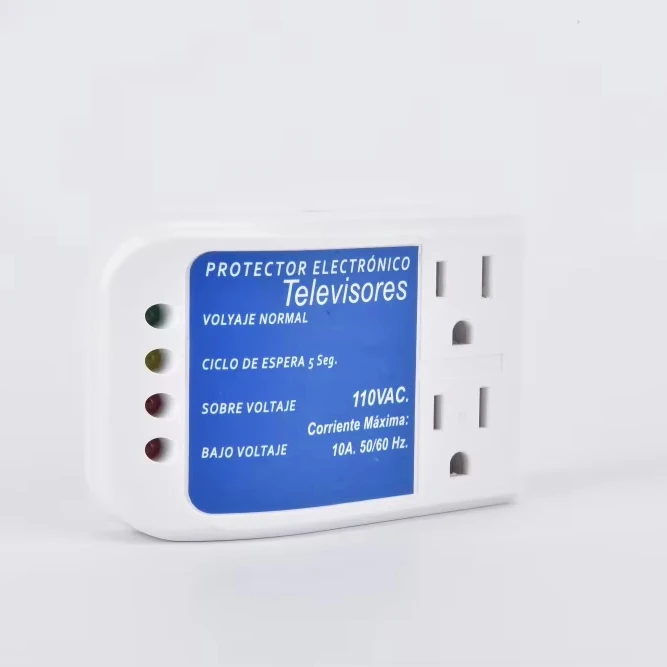
Modern homes rely heavily on sophisticated electronic devices and appliances that require stable electrical input to function optimally. Without proper protection, these valuable assets remain vulnerable to sudden voltage changes that occur frequently in residential electrical systems. Installing a reliable voltage protector for home use provides peace of mind while preserving the longevity and performance of connected equipment.
Voltage protection technology operates on fundamental electrical principles designed to maintain consistent power delivery to connected devices. These systems continuously monitor incoming electrical current and automatically adjust output levels to prevent damage from voltage variations. Advanced voltage protectors utilize sophisticated circuitry that responds instantly to electrical anomalies, ensuring stable power distribution throughout residential installations.
The core functionality involves real-time voltage monitoring combined with automatic switching mechanisms that isolate protected equipment when dangerous conditions arise. This proactive approach prevents costly damage while maintaining optimal operating conditions for sensitive electronics. Understanding these principles helps homeowners appreciate the technical sophistication required for effective electrical protection.
Residential electrical systems encounter various disturbances that threaten connected equipment, ranging from minor fluctuations to severe power anomalies. Common issues include voltage sags, surges, spikes, and brownouts that occur due to grid instabilities, weather conditions, or equipment malfunctions. Each type of disturbance presents unique challenges requiring specific protection strategies.
Power surges represent the most destructive form of electrical disturbance, often caused by lightning strikes, utility switching operations, or large motor startups. These events can instantly damage unprotected devices, making comprehensive protection absolutely essential. A quality voltage protector for home installation addresses all these concerns through multi-layered protection mechanisms.
Installing comprehensive voltage protection significantly extends the operational lifespan of household appliances and electronic devices by maintaining optimal operating conditions. Consistent voltage levels prevent premature component degradation that occurs when equipment operates under stressful electrical conditions. This preservation effect translates directly into reduced replacement costs and improved reliability over time.
Protected equipment maintains peak performance characteristics throughout its intended service life, delivering consistent results and avoiding the gradual degradation associated with voltage stress. The investment in proper protection pays dividends through enhanced equipment reliability and reduced maintenance requirements. Homeowners who prioritize electrical protection enjoy greater satisfaction from their electronic investments.
The financial benefits of voltage protection extend far beyond initial equipment preservation, encompassing reduced insurance claims, lower utility bills, and minimized repair expenses. Protected homes experience fewer electrical-related failures, reducing the frequency and cost of service calls and replacement purchases. This economic advantage becomes increasingly significant as household electronics become more sophisticated and expensive.
Energy efficiency improvements resulting from stable voltage conditions contribute to reduced electrical consumption and lower monthly utility bills. Equipment operating under optimal voltage conditions consumes less power while delivering superior performance. The cumulative savings from improved efficiency and equipment preservation often exceed the initial investment in voltage protector for home installation within the first few years of operation.
Effective voltage protectors must provide adequate capacity to handle the electrical demands of modern households while responding quickly to threatening conditions. Protection capacity specifications indicate the maximum surge current and energy absorption capabilities of the device. Higher capacity ratings provide greater protection for larger homes with extensive electrical loads.
Response time characteristics determine how quickly the protection system reacts to dangerous voltage conditions, with faster response times providing superior equipment protection. Advanced systems respond within nanoseconds to isolate protected circuits from harmful electrical events. This rapid response capability proves crucial for protecting sensitive electronics that cannot tolerate even brief exposure to abnormal voltages.
Proper installation requirements vary depending on the specific type and capacity of voltage protection selected for residential applications. Some units require professional electrical installation at the main service panel, while others connect directly to individual outlets or appliances. Understanding installation requirements helps homeowners plan for appropriate professional services and associated costs.
Compatibility considerations ensure selected protection systems work effectively with existing electrical infrastructure and connected equipment. Modern voltage protectors designed for residential use accommodate various electrical configurations and appliance types. Careful evaluation of compatibility requirements prevents installation complications and ensures optimal protection performance.
Kitchen environments present unique challenges for electrical protection due to the concentration of high-powered appliances and sensitive electronic controls. Modern kitchen equipment includes sophisticated microprocessors that require stable voltage conditions for proper operation. A voltage protector for home kitchen applications safeguards valuable appliances like refrigerators, dishwashers, and cooking equipment from electrical damage.
The investment in kitchen appliance protection becomes particularly important considering replacement costs for modern equipment. Premium appliances often incorporate advanced electronic features that enhance convenience but increase vulnerability to voltage fluctuations. Comprehensive protection ensures these investments continue delivering expected performance throughout their intended service life.
Home office environments depend heavily on electronic equipment that requires consistent, clean electrical power for optimal performance. Computers, printers, networking equipment, and communication devices all benefit significantly from voltage protection. These systems often contain sensitive components that cannot tolerate voltage variations without experiencing performance degradation or permanent damage.
Entertainment systems represent another critical application area where voltage protection delivers substantial benefits. Audio and video equipment, gaming systems, and smart home devices require stable power conditions to maintain performance quality. Professional-grade voltage protectors ensure these systems deliver consistent entertainment experiences while preventing costly equipment replacement due to electrical damage.
Proper installation represents a critical factor in achieving optimal performance from residential voltage protection systems. Qualified electrical contractors possess the expertise and tools necessary to ensure safe, compliant installations that meet local electrical codes. Professional installation eliminates safety risks while ensuring protection systems operate as intended by manufacturers.
Installation best practices include proper grounding, appropriate circuit connections, and adequate clearances for maintenance access. These factors directly impact protection effectiveness and long-term reliability. Professional installers understand these requirements and ensure compliance with all relevant safety standards and local regulations governing electrical work.
Regular maintenance ensures voltage protection systems continue operating effectively throughout their expected service life. Maintenance activities include visual inspections, connection tightening, and functional testing to verify proper operation. Most modern voltage protectors include diagnostic indicators that simplify maintenance by clearly displaying system status information.
Periodic testing validates protection system functionality and identifies potential issues before they compromise equipment safety. Professional electrical contractors can perform comprehensive testing using specialized equipment to verify protection capabilities. This proactive approach helps homeowners maintain confidence in their electrical protection while addressing minor issues before they become major problems.
Understanding the distinction between surge protection and voltage regulation helps homeowners select appropriate protection technologies for their specific needs. Surge protection focuses primarily on blocking or diverting high-energy electrical spikes that can instantly damage equipment. Voltage regulation addresses ongoing fluctuations that cause gradual equipment degradation over extended periods.
Comprehensive voltage protector for home applications often incorporate both surge protection and voltage regulation capabilities in integrated systems. This combination approach provides complete protection against various electrical threats while maintaining optimal operating conditions for connected equipment. The dual functionality justifies higher initial costs through superior protection performance and equipment preservation benefits.
Whole-house protection systems install at the main electrical panel to provide comprehensive coverage for entire residential electrical systems. This approach offers convenience and broad protection coverage while simplifying installation requirements. Point-of-use protection focuses on specific equipment or circuits that require enhanced protection beyond whole-house capabilities.
Many homeowners benefit from combining both approaches to achieve optimal protection throughout their homes. Whole-house systems provide baseline protection while point-of-use devices offer enhanced protection for critical or sensitive equipment. This layered approach maximizes equipment protection while providing flexibility to address specific protection requirements in different areas of the home.
Voltage protectors provide comprehensive protection against various electrical disturbances including voltage fluctuations, sags, and surges, while standard surge protectors focus primarily on blocking high-energy spikes. Voltage protectors actively regulate incoming power to maintain stable output levels, whereas surge protectors simply divert excess energy away from protected equipment. This broader protection capability makes voltage protectors more effective for comprehensive home electrical protection.
Voltage protector sizing depends on your home's electrical service capacity and connected load requirements. Most residential installations require protection rated for 200-amp service with surge current capabilities of 40,000 to 80,000 amperes. Consulting with a qualified electrical contractor ensures proper sizing based on your specific electrical configuration and protection requirements. Oversizing provides additional safety margin while undersizing can result in inadequate protection.
Yes, voltage protectors can contribute to reduced electricity bills through improved equipment efficiency and power factor correction. Equipment operating under stable voltage conditions typically consumes less power while delivering the same performance levels. Additionally, voltage regulation prevents equipment from working harder to compensate for voltage variations, resulting in lower overall energy consumption. The savings vary depending on the electrical characteristics of connected equipment and local utility rates.
Quality residential voltage protectors typically provide 10 to 20 years of reliable service when properly installed and maintained. Service life depends on factors including installation environment, electrical system conditions, and the frequency of electrical disturbances. Regular maintenance and periodic testing help maximize service life while ensuring continued protection effectiveness. Replacement indicators or professional testing can determine when protection systems require updating or replacement.

 EN
EN