Modern electrical equipment faces constant threats from voltage fluctuations, power surges, and unstable electrical supply conditions. An ac voltage protector serves as a critical safeguard, preventing costly damage to sensitive appliances and industrial machinery. These protective devices monitor incoming voltage levels and automatically disconnect power when dangerous conditions arise, ensuring equipment longevity and operational reliability. Understanding the proper selection criteria for voltage protection systems becomes essential for maintaining efficient operations across residential, commercial, and industrial applications.
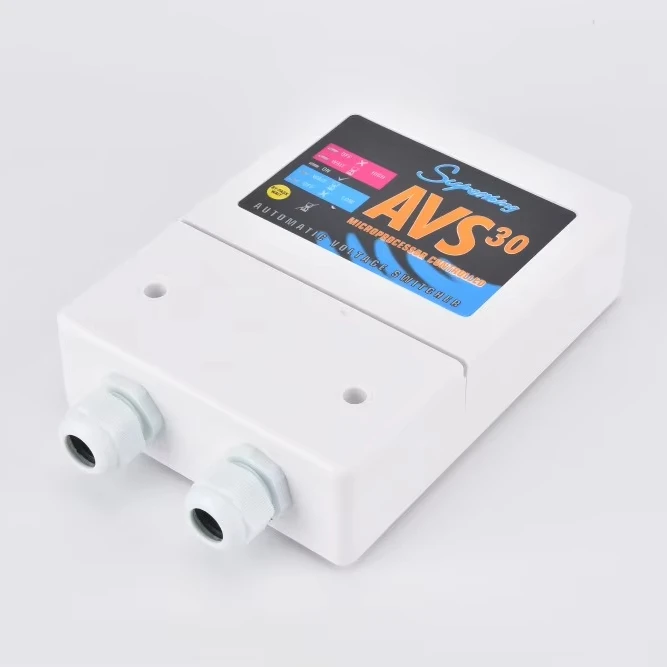
Voltage protection technology has evolved significantly over recent decades, incorporating advanced microprocessor controls and sophisticated monitoring capabilities. Contemporary ac voltage protector units feature precise voltage sensing, adjustable time delays, and comprehensive diagnostic functions. These improvements enable more accurate protection while minimizing unnecessary disconnections that could disrupt normal operations. The integration of digital displays and programmable settings allows users to customize protection parameters according to specific equipment requirements and local electrical conditions.
Electrical systems experience various types of voltage disturbances that can damage connected equipment. Overvoltage conditions occur when supply voltage exceeds safe operating limits, potentially causing component failure, insulation breakdown, and permanent equipment damage. Undervoltage situations reduce equipment efficiency and can lead to motor overheating, compressor damage, and premature component wear. Voltage spikes and transients represent sudden, short-duration increases that can destroy sensitive electronic components instantly.
The severity of voltage-related damage depends on several factors including disturbance magnitude, duration, and equipment sensitivity. Modern electronic devices containing microprocessors, variable frequency drives, and precision control circuits are particularly vulnerable to voltage variations. Even minor deviations from nominal voltage levels can cause malfunctions, data corruption, and reduced operational lifespan. An effective ac voltage protector must address all these potential threats while maintaining reliable operation under normal conditions.
Voltage protection devices operate through continuous monitoring and rapid response systems. Internal sensing circuits compare actual voltage levels against predetermined acceptable ranges, triggering protective actions when thresholds are exceeded. The protection sequence typically involves immediate load disconnection, status indication, and automatic reconnection once safe voltage conditions return. Advanced units incorporate multiple monitoring points and sophisticated algorithms to distinguish between temporary disturbances and sustained abnormal conditions.
Response time represents a critical performance parameter for voltage protection systems. Fast-acting protectors can disconnect loads within milliseconds of detecting dangerous conditions, preventing damage to sensitive equipment. However, extremely fast response can lead to nuisance tripping during brief, harmless voltage fluctuations. Quality ac voltage protector designs balance rapid protection with stability through adjustable time delays and intelligent discrimination algorithms.
Proper voltage rating selection forms the foundation of effective protection system design. The protector's nominal voltage must match the supply system voltage, whether single-phase 120V, 240V, or three-phase configurations. Operating voltage range specifications define the acceptable limits within which the protector allows normal operation. Typical residential applications require protection ranges of ±10% to ±15% of nominal voltage, while industrial applications may need tighter or wider tolerances based on equipment requirements.
Maximum voltage handling capability determines the protector's ability to safely interrupt extreme overvoltage conditions. This specification should exceed the highest possible voltage that could appear on the electrical system, including lightning-induced surges and switching transients. An appropriately rated ac voltage protector provides reliable protection across the full spectrum of possible voltage conditions while avoiding unnecessary disconnections during minor fluctuations.
Current rating specifications must accommodate the maximum load current that will pass through the protection device. Undersized protectors may experience contact overheating, premature failure, and unreliable operation. Proper sizing requires consideration of both steady-state current and inrush current conditions that occur during motor starting and capacitive load energization. Safety margins of 125% to 150% of maximum expected load current ensure reliable long-term operation.
Breaking capacity represents the protector's ability to safely interrupt fault currents and extreme overload conditions. This specification becomes particularly important in industrial applications where short-circuit currents can reach thousands of amperes. Quality voltage protection devices incorporate robust switching mechanisms capable of interrupting maximum available fault current without damage or degradation. An effective ac voltage protector combines adequate current handling with reliable interruption capability across all operating conditions.
Modern voltage protectors incorporate digital displays that provide real-time voltage readings, status indications, and diagnostic information. These displays enable users to monitor electrical conditions continuously and identify potential problems before equipment damage occurs. Programming capabilities allow customization of protection parameters including voltage thresholds, time delays, and reconnection settings. Advanced units offer multiple protection profiles for different operating modes and seasonal variations.
Diagnostic features enhance troubleshooting capabilities and maintenance planning. Event logging records voltage disturbances, protection operations, and system status changes for later analysis. Some ac voltage protector models include communication interfaces that enable remote monitoring and control through building automation systems or mobile applications. These technological advances improve protection effectiveness while reducing maintenance requirements and operational costs.
Operating environment significantly influences protector selection and performance. Temperature ratings must accommodate ambient conditions in the installation location, including both normal operating temperatures and extreme seasonal variations. Humidity resistance prevents corrosion and electrical breakdown in high-moisture environments. Vibration tolerance becomes important for mobile applications or installations near heavy machinery.
Installation requirements vary significantly between different protector designs. Panel-mount units require appropriate enclosure space and mounting provisions. DIN rail mounting options simplify installation in control panels and electrical cabinets. Wiring considerations include terminal types, conductor sizes, and connection accessibility for maintenance. An optimal ac voltage protector selection balances performance requirements with practical installation constraints and long-term serviceability needs.
Residential voltage protection focuses on safeguarding household appliances, electronic equipment, and HVAC systems. Single-phase protectors with ratings from 30 to 100 amperes cover most residential requirements. Key considerations include air conditioner protection, refrigerator safety, and sensitive electronics preservation. Compact designs that fit standard electrical panels while providing comprehensive protection represent the most practical solutions for homeowners.
Light commercial applications often require higher current ratings and additional features such as phase monitoring and advanced diagnostics. Restaurants, small manufacturing facilities, and office buildings benefit from comprehensive voltage protection that prevents costly equipment downtime and repair expenses. An appropriately specified ac voltage protector provides reliable safeguarding while minimizing false trips that could disrupt business operations.
Industrial environments present unique challenges including high current loads, three-phase systems, and demanding operating conditions. Motor protection requires consideration of starting currents, locked rotor conditions, and phase imbalance effects. Process equipment may need specialized protection parameters to prevent production interruptions while maintaining adequate safety margins. Heavy-duty protectors must withstand harsh environments including temperature extremes, contamination, and mechanical stress.
Critical applications such as data centers, hospitals, and manufacturing facilities require redundant protection systems and advanced monitoring capabilities. Multiple protection levels including service entrance, distribution panel, and point-of-use protectors provide comprehensive coverage. Integration with facility monitoring systems enables predictive maintenance and rapid fault identification. Industrial-grade ac voltage protector systems deliver the reliability and performance required for mission-critical operations.
Correct installation procedures ensure optimal protector performance and long-term reliability. Electrical connections must be tight and properly torqued to prevent heating and voltage drop. Wire sizing should accommodate maximum load current with appropriate safety margins. Grounding connections require particular attention to ensure proper fault current paths and electrical safety compliance.
Location selection affects both performance and accessibility for maintenance. Protectors should be installed in clean, dry locations with adequate ventilation and service clearance. Proximity to heat sources, corrosive atmospheres, and high-vibration equipment should be avoided when possible. Clear labeling and documentation facilitate troubleshooting and maintenance activities. Professional installation by qualified electricians ensures code compliance and optimal system performance.
Regular maintenance prevents failures and ensures continued protection effectiveness. Visual inspections should check for signs of overheating, corrosion, or mechanical damage. Contact condition assessment through resistance measurements can identify developing problems before failure occurs. Calibration verification ensures protection thresholds remain within specified tolerances over time.
Testing procedures validate proper operation under various conditions. Functional testing confirms correct response to overvoltage and undervoltage conditions. Time delay verification ensures appropriate coordination with upstream protective devices. Documentation of test results provides valuable data for reliability analysis and maintenance scheduling. An effective ac voltage protector maintenance program maximizes equipment life while minimizing unexpected failures and associated costs.
Voltage protection systems represent a cost-effective insurance policy against equipment damage and operational disruptions. The relatively modest investment in quality protection equipment typically pays for itself through prevention of a single major equipment failure. Cost-benefit analysis should consider equipment replacement costs, labor expenses, production losses, and indirect costs such as customer satisfaction impacts.
Return on investment calculations demonstrate the financial advantages of proactive voltage protection. Historical data on voltage-related failures provides insight into potential savings through protective system implementation. Energy efficiency improvements resulting from stable voltage conditions contribute additional economic benefits. An appropriately selected ac voltage protector delivers measurable financial returns while providing intangible benefits such as improved reliability and reduced stress on maintenance personnel.
Quality voltage protection systems provide value beyond immediate equipment protection. Extended equipment life resulting from stable operating conditions reduces replacement frequency and associated costs. Improved system reliability enhances productivity and customer satisfaction. Reduced maintenance requirements free up resources for other priorities while lowering operational expenses.
Technology evolution continues to improve protection capabilities while reducing costs. Modern digital protectors offer enhanced features and improved reliability compared to older electromechanical designs. Investment in current-generation protection technology provides a foundation for future system expansions and upgrades. The comprehensive benefits of effective ac voltage protector systems justify their inclusion in any serious electrical protection strategy.
A voltage protector monitors and responds to sustained voltage variations such as overvoltage and undervoltage conditions, automatically disconnecting power when dangerous levels are detected. Surge protectors focus on brief, high-energy transients and spikes, diverting excess energy to ground without interrupting power. Many applications benefit from both types of protection working together to address different types of electrical threats.
Equipment voltage tolerance specifications, typically found in manufacturer documentation, provide the basis for protection settings. Most appliances operate safely within ±10% of nominal voltage, while sensitive electronics may require tighter ranges. Consider local utility voltage variations and consult with equipment manufacturers when setting protection parameters. An ac voltage protector with adjustable thresholds allows optimization for specific applications and operating conditions.
Properly configured voltage protectors minimize nuisance tripping through appropriate threshold settings and time delays. Overly sensitive settings or inadequate time delays can cause unnecessary disconnections during brief, harmless voltage fluctuations. Quality protectors incorporate intelligent algorithms that distinguish between temporary disturbances and sustained dangerous conditions, reducing false trips while maintaining effective protection.
Regular visual inspections, contact condition checks, and calibration verification ensure continued reliability. Testing should confirm proper response to various voltage conditions and verify time delay settings. Documentation of maintenance activities provides valuable data for reliability analysis and helps identify developing problems before failures occur. Most modern ac voltage protector units require minimal maintenance when properly installed and operated within specified parameters.

 EN
EN