Electrical systems in modern homes and businesses face constant threats from voltage fluctuations, power surges, and electrical anomalies. A voltage protector socket serves as the first line of defense against these potentially damaging electrical events, safeguarding expensive appliances and sensitive electronic equipment. Understanding how to select the appropriate protection device requires careful consideration of various technical specifications, load requirements, and application-specific factors that determine optimal performance and reliability.
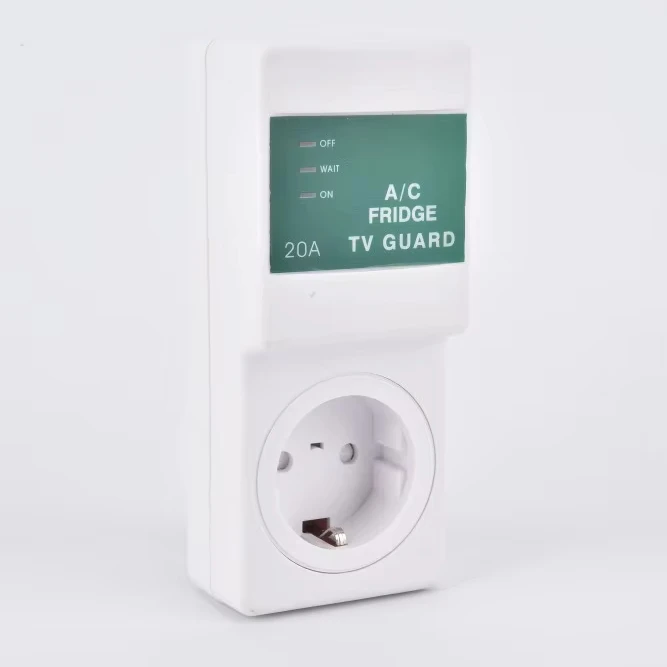
The importance of proper voltage protection cannot be overstated in today's increasingly digital world. Power quality issues cost businesses billions of dollars annually in equipment damage, data loss, and operational downtime. Residential users also face significant financial losses when appliances fail due to inadequate electrical protection, making the selection of an appropriate voltage protector socket a critical investment decision.
Electrical systems encounter various types of disturbances that can damage connected equipment. Overvoltage conditions occur when incoming voltage exceeds the nominal rating, often caused by utility grid fluctuations, lightning strikes, or switching operations. These events can instantly damage sensitive electronic components, particularly in modern appliances with microprocessor-based controls.
Undervoltage situations present equally serious threats, causing motors to draw excessive current while attempting to maintain rated power output. This condition leads to overheating, reduced equipment lifespan, and potential failure of mechanical components. A quality voltage protector socket addresses both scenarios by monitoring incoming voltage levels and providing appropriate protective responses.
Modern voltage protection devices employ sophisticated monitoring circuits that continuously assess incoming power quality. When voltage levels deviate beyond predetermined safe operating ranges, the protection system responds by disconnecting the load from the power source. This rapid disconnection prevents damage while maintaining system integrity for reconnection once normal conditions resume.
Time delay features prevent nuisance tripping during brief voltage fluctuations while ensuring rapid response to sustained abnormal conditions. Advanced voltage protector socket designs incorporate multiple protection stages, providing comprehensive coverage against various electrical disturbances while maintaining high reliability and minimal maintenance requirements.
Selecting the correct voltage rating represents the most fundamental aspect of voltage protector socket specification. The device must match the system's nominal voltage while providing appropriate operating margins for normal voltage variations. Standard residential applications typically require 220V or 110V ratings, depending on regional electrical standards and specific equipment requirements.
Operating voltage ranges define the acceptable limits within which connected equipment receives power. Typical residential voltage protector socket units provide protection with trip points set approximately 10-15% above and below nominal voltage levels. Commercial and industrial applications may require tighter tolerance ranges to protect sensitive process equipment and maintain consistent operational parameters.
Current rating specifications determine the maximum load capacity that the voltage protector socket can safely handle during normal operation. This rating must exceed the total current draw of all connected equipment, including startup surges and transient conditions. Undersized protection devices may fail prematurely or provide inadequate protection during high-demand periods.
Breaking capacity ratings indicate the device's ability to safely interrupt fault currents during protective operations. Higher breaking capacity ratings provide enhanced safety margins and improved reliability in challenging electrical environments. Professional installations often require devices with substantial breaking capacity to handle potential short-circuit conditions effectively.
Home electrical systems require voltage protector socket solutions that balance comprehensive protection with user-friendly operation. Residential applications typically involve mixed loads including refrigerators, air conditioners, televisions, and computer equipment, each with different sensitivity levels and protection requirements. Modern homes often contain expensive electronic devices that require stable power quality for optimal performance and longevity.
Installation considerations for residential voltage protector socket applications include mounting accessibility, indicator visibility, and manual reset capabilities. Homeowners benefit from devices with clear visual indicators showing operational status and protection events, enabling proactive maintenance and system monitoring without requiring technical expertise.
Commercial facilities and industrial operations face more demanding electrical environments with higher stakes for equipment protection. These applications often involve substantial financial investments in process equipment, computer systems, and specialized machinery that cannot tolerate voltage disturbances. A properly specified voltage protector socket becomes essential for maintaining operational continuity and protecting capital investments.
Industrial voltage protection systems often require additional features such as remote monitoring capabilities, communication interfaces, and integration with facility management systems. These advanced features enable predictive maintenance strategies and provide valuable data for optimizing electrical system performance while minimizing downtime risks.
Accurate load assessment forms the foundation of proper voltage protector socket selection. Calculate total connected load including all devices that will operate simultaneously, adding appropriate safety margins for future expansion and peak demand conditions. Consider startup current requirements for motor-driven equipment, which can significantly exceed normal operating currents.
Environmental factors also influence device selection, including ambient temperature ranges, humidity levels, and potential exposure to corrosive atmospheres. Some voltage protector socket models include environmental protection features such as moisture resistance and extended temperature operating ranges for challenging installation locations.
Professional installation ensures optimal performance and compliance with electrical safety standards. Mount the voltage protector socket in accessible locations that facilitate routine inspection and maintenance while protecting the device from physical damage and environmental exposure. Ensure adequate ventilation around the device to prevent overheating during normal operation.
Proper grounding connections are essential for effective voltage protection and personnel safety. Verify that all grounding conductors meet code requirements and provide low-impedance paths for fault currents. Regular testing and inspection schedules help maintain system reliability and identify potential issues before they result in equipment damage or safety hazards.
Contemporary voltage protector socket designs incorporate intelligent monitoring systems that provide real-time data about electrical conditions and device performance. These smart features include voltage and current monitoring, power quality analysis, and historical event logging that supports predictive maintenance strategies and system optimization efforts.
Communication interfaces enable remote monitoring and control capabilities, allowing facility managers to track multiple protection devices from centralized locations. Mobile applications and web-based platforms provide convenient access to system status information, alarm notifications, and performance trends that support informed decision-making about electrical system management.
Modern voltage protector socket solutions offer seamless integration with building automation systems, energy management platforms, and facility monitoring networks. These integration capabilities enable coordinated responses to electrical events, automated reporting functions, and comprehensive system-wide visibility into electrical protection status.
Protocol compatibility with standard industrial communication systems such as Modbus, BACnet, and Ethernet-based networks ensures flexible integration options for various facility types. This connectivity enables sophisticated control strategies and data collection capabilities that enhance overall electrical system reliability and operational efficiency.
Regular maintenance schedules ensure continued reliable operation of voltage protector socket installations. Visual inspections should verify proper mounting, connection integrity, and indicator functionality while checking for signs of overheating, moisture intrusion, or physical damage. Clean connections and tight terminations prevent resistance buildup that could compromise protection performance.
Functional testing procedures verify proper trip point settings, response times, and reset capabilities according to manufacturer specifications. Document all maintenance activities and test results to establish performance baselines and identify trending issues that might indicate developing problems requiring attention.
Technology advancement and changing load requirements may necessitate voltage protector socket upgrades or replacements during facility lifecycles. Evaluate existing protection capabilities against current load profiles, power quality requirements, and available features in newer device generations to identify opportunities for improved performance.
Replacement planning should consider compatibility with existing electrical infrastructure, installation requirements, and training needs for operational personnel. Coordinate replacement activities with scheduled maintenance windows to minimize disruption while ensuring continuous protection for critical equipment and processes.
Most residential voltage protector socket devices activate protection when voltage exceeds 10-15% above or below the nominal rating. For 220V systems, this typically means protection triggers around 250V for overvoltage and 190V for undervoltage conditions. Commercial units may have adjustable trip points to accommodate specific application requirements and tighter tolerance needs.
Calculate the total current draw of all connected equipment during normal operation, then add 25-30% safety margin for startup surges and future expansion. Consider the highest current-drawing device's startup requirements, as motor-driven equipment can draw 3-7 times normal operating current during initial startup. Always select a device rated above your calculated maximum demand.
While voltage protector socket units provide some protection against voltage surges, they are not designed as primary lightning protection devices. Direct lightning strikes require dedicated surge protection devices rated for much higher energy levels. Voltage protector socket units complement surge protection systems by handling voltage regulation and moderate electrical disturbances in normal operating conditions.
Perform monthly visual inspections to check indicator lights and physical condition, with comprehensive functional testing every six months. Annual professional testing should verify trip point accuracy, response times, and breaking capacity. High-critical applications may require more frequent testing schedules, while residential installations can often extend intervals based on local conditions and manufacturer recommendations.

 EN
EN