Installing a 110-volt surge protector is one of the most practical steps a homeowner can take to guard against unexpected voltage spikes, electrical surges, and power disturbances that can silently destroy appliances, electronics, and wiring systems. Whether you live in a region prone to thunderstorms, experience frequent utility fluctuations, or simply want to add a reliable layer of protection to your home's electrical infrastructure, understanding how to install a 110-volt surge protector correctly is essential. This guide walks you through every stage of the process, from selecting the right device to completing the installation safely and effectively.
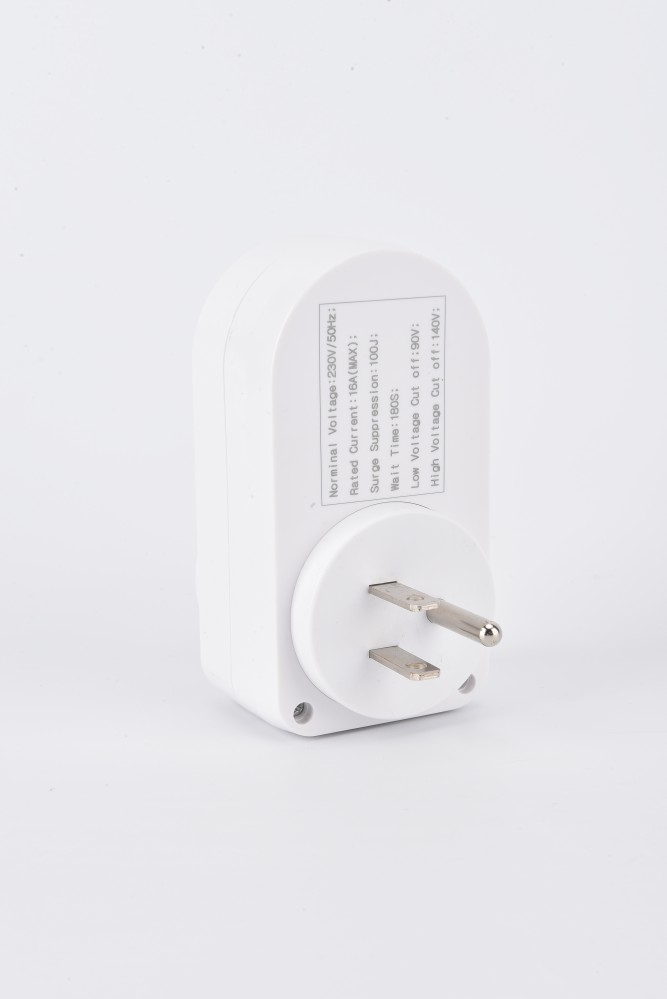
A whole-home approach to surge protection means you are not relying solely on individual power strips or single-outlet devices. Instead, a properly installed 110-volt surge protector at the panel or service entry level intercepts damaging voltage before it can travel through your entire circuit network. This article explains the full installation process, the tools you need, the safety precautions to observe, and the best practices that ensure long-term protection for your household.
Every home's electrical system is designed to operate within a defined voltage range. In North American and South American residential circuits, this standard is typically 110 to 120 volts. When the incoming voltage spikes above this range — whether due to a lightning strike nearby, a utility grid switching event, or a large motor cycling on and off — sensitive electronics and appliances can be damaged or completely destroyed within milliseconds.
A 110-volt surge protector works by detecting excess voltage and diverting the surplus energy away from your circuits, usually into the ground conductor. This clamping action happens so quickly that most devices connected to your outlets never experience the full impact of the surge. The result is a significantly reduced risk of equipment failure, data loss, and fire hazards caused by overheating wiring.
Whole-home surge protection differs from point-of-use strip protectors because it covers every outlet, switch, and hardwired appliance in the building simultaneously. A 110-volt surge protector installed at the main service panel or meter socket essentially acts as a first line of defense before any electricity reaches individual rooms or circuits.
There are several formats of 110-volt surge protector devices suited for whole-home installation. Panel-mount units connect directly to your main electrical panel and are designed to handle large transient events. Meter socket adapters install between the utility meter and your panel, offering protection even before electricity enters your breaker box. Hardwired socket-style protectors are compact units that plug into or wire into a dedicated outlet location, making them an accessible option for homeowners who want effective protection without opening the main panel.
Each type of 110-volt surge protector carries a joule rating, which measures how much surge energy it can absorb over its service life. Higher joule ratings indicate greater capacity. For whole-home applications, you should look for devices rated at least 1,000 joules, though 2,000 joules or more is preferable for comprehensive protection in areas with frequent electrical disturbances.
Clamping voltage is another critical specification. This value tells you at what voltage level the protector begins to divert excess energy. A lower clamping voltage generally means faster and more protective response. When selecting a 110-volt surge protector for whole-home use, a clamping voltage of 400 volts or below is widely considered effective for standard residential applications.
Before you start any electrical work, assembling the correct tools is non-negotiable. For installing a 110-volt surge protector at the panel or outlet level, you will need a flathead and Phillips screwdriver, wire strippers, a voltage tester or multimeter, needle-nose pliers, and electrical tape. If you are installing a panel-mount unit, you may also need a knockout punch or drill with appropriate bits to create a mounting hole in the panel enclosure.
Always use insulated tools rated for the voltages you are working with. Standard residential work involves 110 to 120 volts, but inside a main panel, higher voltages are present on the service entry lines. Wearing rubber-soled shoes and using insulated gloves adds another layer of personal safety during any hands-on electrical task.
You will also need the 110-volt surge protector unit itself, along with any mounting hardware and wiring included by the manufacturer. Read the installation manual thoroughly before touching any wires. Every model of 110-volt surge protector may have slightly different terminal configurations, grounding requirements, or indicator light placements that you need to understand before proceeding.
Electrical safety begins with one absolute rule: turn off the power before working on any circuit or panel. For whole-home surge protection installation, this means switching off the main breaker in your electrical panel. However, it is critical to understand that even with the main breaker off, the service entry wires feeding power into the top of the panel remain energized. These are utility lines that can only be de-energized by contacting your power company.
If your installation requires working near or connecting to those top service entry conductors, stop and call a licensed electrician. The installation of a 110-volt surge protector in the circuit breaker spaces or on the load side of the main breaker is generally within the capability of a skilled DIYer, but work on the line side of the utility connection must be handled by a professional.
Use your voltage tester on every wire before touching it, even after you believe power has been disconnected. Confirm multiple times. Never assume a conductor is de-energized without testing it. This single habit prevents the vast majority of electrical accidents during home installation projects.
Begin by turning off the main breaker and confirming with your voltage tester that the load-side bus bars and circuit breaker terminals are de-energized. Remove the panel cover by unscrewing the retaining screws carefully and setting it aside. Locate two available tandem or double-pole breaker slots, as most whole-home 110-volt surge protector units require a dedicated breaker connection to operate correctly.
Install the dedicated breaker according to the surge protector's instructions — typically a 15- or 20-amp double-pole breaker. Run the surge protector's line wires to the breaker terminals, securing them with firm, even torque as specified by the manufacturer. Connect the neutral wire to the neutral bus bar and the ground wire to the grounding bus bar. These connections must be clean, tight, and free of any nicks or exposed copper beyond the terminal.
Mount the body of the 110-volt surge protector to the panel enclosure using the knockout or pre-drilled hole. Secure any strain relief fittings around the wire entry points. Replace the panel cover, restore the main breaker, and then switch on the dedicated breaker for the surge protector. Check the status indicator lights on the unit to confirm it is operational and all protection modes are active.
For homeowners who prefer a less invasive installation, a socket-style 110-volt surge protector designed for outlet mounting is an excellent alternative. These compact devices are designed to be hardwired into a dedicated outlet box or to replace an existing outlet receptacle with a surge-protected version. Begin by turning off the specific circuit breaker that supplies the outlet location you have chosen.
Confirm the outlet is de-energized with your voltage tester. Remove the outlet cover plate and unscrew the existing receptacle from the electrical box. Note the existing wiring configuration — typically black (hot), white (neutral), and bare or green (ground). Disconnect the old receptacle and connect the same wires to the corresponding terminals on your 110-volt surge protector device, following the color coding on its terminals precisely.
Gently fold the connected wires back into the box, seat the 110-volt surge protector unit firmly, and secure it with the mounting screws. Install the new cover plate and restore power at the breaker. Test the indicator light and use a receptacle tester to verify correct wiring polarity and grounding. This method provides localized whole-circuit protection for the specific circuit it is installed on, and multiple units can be used on different circuits throughout your home for layered coverage.
Once your 110-volt surge protector is installed and power is restored, testing is not optional — it is essential. Use a digital multimeter set to AC voltage to measure across the hot and neutral terminals at the outlet. You should read between 110 and 125 volts for a correctly wired North American or South American residential circuit. Any significant deviation suggests a wiring issue that needs to be corrected immediately.
Next, measure the voltage between the hot terminal and ground. This reading should be very close to your hot-to-neutral reading. Measure between neutral and ground — this should read close to zero volts. If neutral-to-ground voltage is elevated (above 3 to 5 volts), this may indicate a high-impedance ground connection that reduces the effectiveness of your 110-volt surge protector and should be investigated by an electrician.
A proper earth ground connection is one of the most important factors in surge protection performance. The 110-volt surge protector diverts excess energy to ground — if that ground path has high resistance or is improperly connected, the diverted energy has nowhere to go efficiently and can still damage equipment. Test ground resistance where possible and ensure your grounding electrode system is in good condition.
Most modern 110-volt surge protector units include LED indicator lights that communicate the current protection status. A green light typically indicates the device is connected, powered, and actively providing surge protection. A red or amber light may signal a fault condition, a wiring problem, or that the device has absorbed too many surges and its metal oxide varistors (MOVs) are at end of life.
Some 110-volt surge protector models include audible alarms or additional indicators that distinguish between line-to-neutral protection, line-to-ground protection, and neutral-to-ground protection modes. Understanding what each indicator represents for your specific unit allows you to respond quickly when protection is compromised. Keep the product manual in an accessible location for future reference.
It is worth noting that a 110-volt surge protector does not last forever. Each surge event that the device absorbs reduces its remaining protective capacity. Devices that have experienced several large transient events may appear functional while offering diminished protection. Most manufacturers recommend replacement every five to ten years or after any major surge event such as a nearby lightning strike.
Maintaining a 110-volt surge protector is a straightforward but often overlooked responsibility. At minimum, inspect the unit's indicator lights monthly to confirm active protection status. If your home experiences a severe storm or noticeable power event, inspect the unit immediately afterward and consider replacement if any warning indicators are illuminated or the unit fails to respond normally.
Keep a log of the date your 110-volt surge protector was installed. This helps you stay aware of the expected service life and plan for proactive replacement rather than reacting to a failure. When replacing the device, choose a model with equivalent or higher joule rating and clamping voltage specifications. Upgrades that offer improved diagnostics or connected monitoring capabilities are also worth considering as technology advances.
If your 110-volt surge protector is a panel-mount type, include a brief visual inspection as part of any scheduled maintenance visit by an electrician. Panel-mount units should be checked for secure wiring connections, corrosion-free terminals, and housing integrity. Loose connections can create arcing hazards that are far more dangerous than the surges the device is designed to stop.
A single 110-volt surge protector at the panel level is a powerful safeguard, but the most robust protection strategy uses a layered approach. Whole-home protection at the service entry handles large incoming transients, while point-of-use surge protector strips at individual workstations, entertainment systems, and home office setups catch any residual voltage disturbances that make it past the first layer.
This combination is particularly important for sensitive equipment such as computers, home theater systems, and smart home hubs. These devices operate on tightly controlled voltage tolerances and can be affected by lower-magnitude surges that a panel-level 110-volt surge protector might not fully absorb. A second layer of protection at the outlet level ensures comprehensive coverage at every tier of your home's electrical network.
For hardwired appliances such as HVAC systems, refrigerators, and water heaters, the panel-level 110-volt surge protector is their primary and often only layer of protection. This underscores the importance of proper installation and regular maintenance of the whole-home unit — these major appliances represent significant investments that can suffer catastrophic damage from unprotected surge events.
For panel-mount installations, hiring a licensed electrician is strongly recommended unless you have verified electrical skills and experience working inside residential service panels. Socket-style and outlet-based 110-volt surge protector devices are more accessible for confident DIYers, provided you follow proper safety procedures including power lockout, voltage testing, and correct wiring connections.
Most 110-volt surge protector units include status indicator lights that signal active protection. A green light typically means the device is functioning. If the indicator is off, red, or amber, the device may have reached end of life or have a wiring issue. Regular visual checks combined with scheduled replacement every five to ten years are the best way to maintain reliable protection.
A 110-volt surge protector significantly reduces the risk of surge-related damage but cannot guarantee absolute protection under all conditions. Extremely severe direct lightning strikes may exceed the capacity of any surge protection device. However, for the overwhelming majority of transient voltage events caused by utility switching, motor cycling, and indirect lightning activity, a properly installed 110-volt surge protector provides effective and reliable protection.
For whole-home protection, a 110-volt surge protector with a joule rating of at least 1,000 to 2,000 joules is generally recommended. Higher ratings provide greater long-term absorption capacity before the device needs replacement. Homes in regions with frequent lightning activity or unstable utility power should consider units rated at 3,000 joules or above for added durability and extended service life.

 EN
EN