Электрические всплески и просадки напряжения относятся к числу самых незаметных, но при этом наиболее разрушительных угроз для современных домов. Каждый прибор, подключённый к розетке — от холодильника и кондиционера до телевизора и стиральной машины — подвержен риску повреждения из-за нестабильности напряжения, что может сократить срок его службы или полностью вывести из строя. Установка устройство защиты от перенапряжения и пониженного напряжения на уровне всего дома является одним из наиболее проактивных шагов, который может предпринять любой домовладелец или электрик для защиты всей недвижимости от этих скрытых рисков. В отличие от индивидуальных устройств защиты, решение для всего дома непрерывно контролирует входящее электропитание и отключает подачу электроэнергии в тот момент, когда обнаруживает опасные условия.
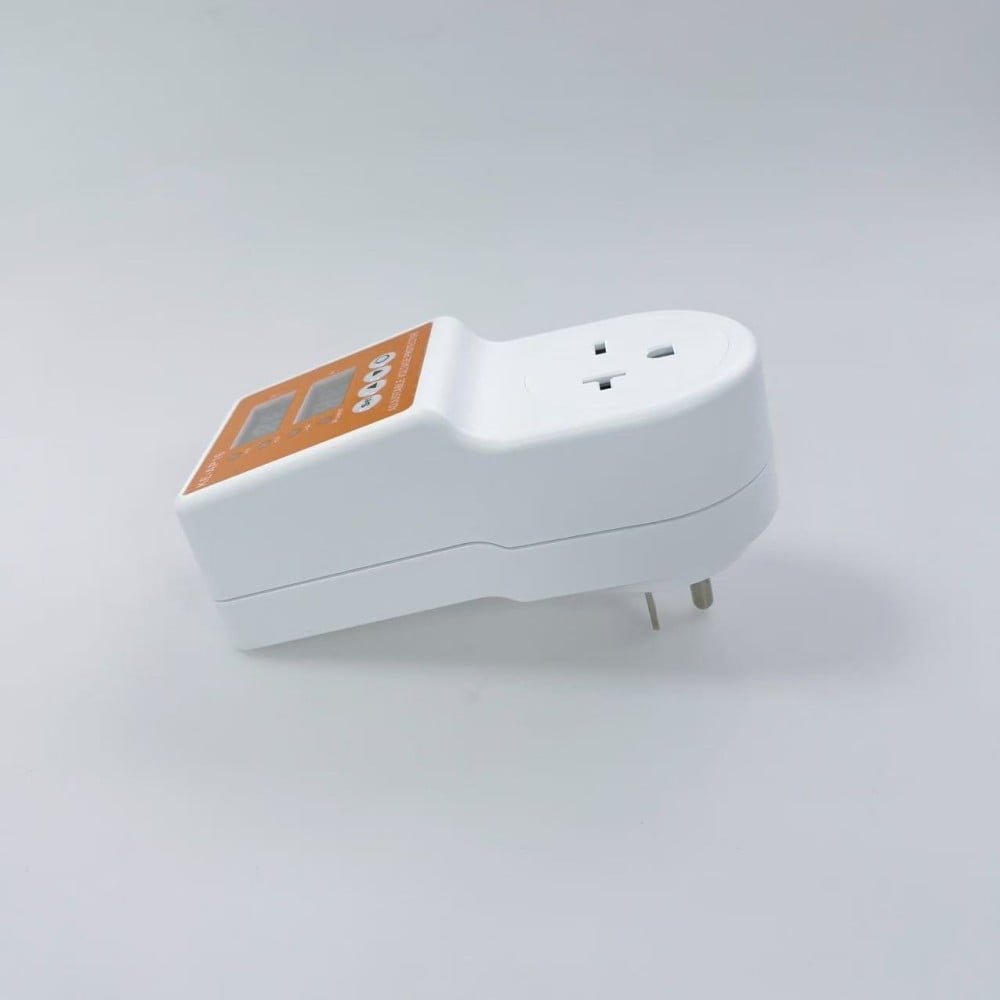
В этом руководстве подробно описывается весь процесс установки устройства защиты от перенапряжения и пониженного напряжения для всего дома устройство защиты от перенапряжения и пониженного напряжения , охватывающий все этапы — от понимания вашей электрической системы до проверки устройства после его подключения. Независимо от того, являетесь ли вы сертифицированным электриком или опытным домашним мастером, работающим под руководством лицензированного специалиста, детальное понимание каждого этапа помогает обеспечить правильную, безопасную установку в полном соответствии с местными нормами и правилами электромонтажа. Правильная настройка может означать разницу между многолетней бесперебойной работой и дорогостоящими отказами бытовой техники, вызванными нестабильностью напряжения.
Один устройство защиты от перенапряжения и пониженного напряжения представляет собой коммутационное устройство, предназначенное для контроля входного переменного напряжения от электросети и автоматического отключения нагрузки — в данном случае электрической системы вашего дома — при превышении или понижении напряжения выше или ниже заранее заданного безопасного порога. Большинство бытовых моделей рассчитаны на работу в диапазоне, например, 180 В–250 В при номинальном напряжении 220 В, хотя конкретные пороговые значения зависят от модели. При выходе напряжения за пределы этого диапазона устройство срабатывает и изолирует цепи, расположенные после него, до тех пор, пока напряжение не стабилизируется; после этого оно автоматически восстанавливает соединение по истечении встроенного временного интервала.
Этот временной интервал перед автоматическим повторным подключением является критически важной функцией. Он предотвращает частое включение и выключение устройства при нестабильных условиях в сети, что само по себе может привести к повреждению аппаратов с электродвигателями, таких как компрессоры кондиционеров и холодильников. Качественное устройство защиты от перенапряжения и пониженного напряжения обычно ожидает от 2 до 5 минут перед повторным подключением, предоставляя сети время для полной стабилизации. Понимание этого поведения помогает домовладельцам правильно интерпретировать работу устройства и избегать ошибочного вывода о его неисправности.
Помимо защиты от повышенного и пониженного напряжения, многие современные устройства также обеспечивают защиту от импульсных перенапряжений — кратковременных всплесков, возникающих при грозовых разрядах или отключении мощных промышленных нагрузок в сети. Объединяя эти функции защиты в одном устройстве, устройство защиты от перенапряжения и пониженного напряжения становится комплексной первой линией обороны, устанавливаемой в точке ввода электричества в дом.
Сетевой фильтр с вилкой, установленный за телевизором, защищает только это одно устройство. Устройство защиты всего дома устройство защиты от перенапряжения и пониженного напряжения в свою очередь устанавливается в главном распределительном щите или рядом с ним и одновременно защищает все электрические цепи в здании. Это означает, что ваша система отопления, вентиляции и кондиционирования воздуха (HVAC), водонагреватель, кухонная техника, оборудование домашнего офиса и освещение полностью защищены единым защитным слоем. Для домовладельцев в регионах с ненадёжной инфраструктурой электросети такой централизованный подход обеспечивает значительно большую ценность по сравнению с попытками индивидуальной защиты каждого прибора.
Установка на уровне всего дома также гарантирует, что приборы с высоким энергопотреблением — которые, как правило, подключаются напрямую к электросети, а не через розетку, — получают тот же уровень защиты. Например, сплит-системы кондиционирования и электрические плиты невозможно защитить стандартным устройством, подключаемым в розетку, поэтому установка на уровне распределительного щита устройство защиты от перенапряжения и пониженного напряжения является единственным практически осуществимым вариантом для обеспечения полной защиты. Именно поэтому профессиональные электрики на рынках с нестабильным качеством электросети всё чаще рекомендуют такие устройства в качестве стандартной практики при строительстве новых зданий и проведении ремонтных работ.
Перед началом установки устройство защиты от перенапряжения и пониженного напряжения , соберите все необходимые инструменты, чтобы избежать перерывов в процессе. Вам понадобятся набор отвёрток с плоским и крестообразным жалом, цифровой мультиметр, способный измерять переменное напряжение, изолированные инструменты для зачистки проводов, указатель напряжения или бесконтактный индикатор напряжения, а также динамометрическая отвёртка — если для вашего устройства указаны требуемые значения крутящего момента на клеммах. Средства индивидуальной защиты обязательны: резиновые изолирующие перчатки с классом защиты не менее 1000 В, защитные очки и обувь с непроводящей подошвой должны использоваться на протяжении всей установки.
Также настоятельно рекомендуется использовать инструмент для маркировки кабелей или цветную изоляционную ленту для обозначения фазных, нулевых и защитных проводников до отключения любых цепей. Работа с немаркированными проводами внутри находящегося под напряжением распределительного щита является одной из основных причин ошибок при монтаже и электрических аварий. Потратив пять минут на маркировку всех проводов до отключения главного выключателя, вы значительно сэкономите время и снизите риски в ходе непосредственной прокладки кабелей. устройство защиты от перенапряжения и пониженного напряжения монтаж.
Не все устройства защиты от перенапряжения и пониженного напряжения предназначены для одинаковых задач. Устройство должно быть рассчитано на стандартное напряжение, применяемое в вашем регионе — как правило, 220–240 В в большинстве стран Африки, Азии, Европы и Австралии — и иметь номинальный ток, достаточный для общей нагрузки вашего дома. Для типичного жилого объекта с главным вводом на 20 А подойдёт устройство устройство защиты от перенапряжения и пониженного напряжения с номинальным током 20 А, что гарантирует, что защитное устройство не станет узким местом в цепи электроснабжения.
Также важно убедиться, что устройство имеет соответствующие сертификаты безопасности, применимые в вашей юрисдикции, например, знак CE для европейских рынков или одобрения местных органов по стандартам. устройство защиты от перенапряжения и пониженного напряжения сертифицированное устройство прошло независимые испытания, подтверждающие надёжную работу его порогов срабатывания, временных задержек и внутренних компонентов при номинальных нагрузочных условиях. Установка несертифицированного или недостаточно мощного устройства может создать ложное ощущение безопасности, оставив бытовые приборы в вашем доме незащищёнными или даже породив новые риски возникновения пожара.
Единственное самое важное правило безопасности при установке любого электрического устройства на уровне панели — полностью обесточить питание перед тем, как прикасаться к любым проводам. Найдите главный выключатель-разъединитель или главный автоматический выключатель в верхней части распределительного щита и отключите его. С помощью бесконтактного индикатора напряжения убедитесь, что на клеммах под главным разъединителем отсутствует напряжение, прежде чем приступать к дальнейшим работам. Даже после отключения разъединителя входные клеммы питания, подающие напряжение на разъединитель от счётчика коммунального предприятия, остаются под напряжением — ни в коем случае не прикасайтесь к этим клеммам.
Информируйте всех членов домохозяйства о том, что выполняются электромонтажные работы, и никто не должен пытаться восстановить подачу электроэнергии во время монтажа. Рассмотрите возможность установки физического замка или ярлыка с предупреждением, хорошо видимого на рукоятке главного выключателя. Это особенно важно в коммерческих помещениях или в ситуациях, когда доступ к распределительному щиту имеют несколько человек. Моментальное случайное повторное включение питания во время работы с проводкой вашего устройство защиты от перенапряжения и пониженного напряжения может быть смертельно опасным.
Большинство устройств защиты всего дома от повышенного и пониженного напряжения предназначены для крепления на DIN-рейку — той же стандартной рейке, которая используется для установки автоматических выключателей внутри распределительного щита жилого помещения. Определите подходящее место на DIN-рейке рядом с главным выключателем или сразу после него. Устройство защиты должно быть установлено между главным выключателем и шиной, питающей отдельные автоматические выключатели, чтобы его выходная сторона питала весь щит. Надёжно зафиксируйте устройство на рейке и убедитесь, что оно плотно и ровно прилегает к ней, прежде чем приступать к подключению проводов.
Если в вашем распределительном щите недостаточно места, может потребоваться установка небольшого дополнительного корпуса для размещения устройства устройство защиты от перенапряжения и пониженного напряжения снаружи. В этом случае установите вспомогательный корпус рядом с основной платой, подключите его с помощью бронированного кабеля соответствующего номинала и обеспечьте надлежащее заземление корпуса. Независимо от выбранной конфигурации устройство должно постоянно находиться внутри сертифицированного корпуса — его ни в коем случае нельзя оставлять открытым, где оно может быть случайно задето или повреждено влагой.
С устройством, надёжно закреплённым на месте, и при подтверждении отсутствия напряжения в сети начните монтаж проводки. Входная сторона устройство защиты от перенапряжения и пониженного напряжения подключается к выходным клеммам вашего главного выключателя. Подайте фазный (обычно красный или коричневый), нейтральный (чёрный или синий) и защитный заземляющий (зелёный или жёлто-зелёный) проводники в соответствующие входные клеммы устройства. На большинстве устройств клеммы чётко обозначены как L (фаза/линия), N (нейтраль) и символом заземления для защитного проводника. Затяните каждую клемму до указанного производителем значения крутящего момента с помощью динамометрической отвёртки.
Выходная сторона устройства затем подключается к шинам фазного и нейтрального проводников в вашем распределительном щите, от которых все ваши отдельные автоматические выключатели получают питание. Заземляющий проводник должен быть подключен напрямую к шине заземления без прохождения через коммутирующий механизм защитного устройства, поскольку непрерывность цепи заземления ни в коем случае не должна нарушаться защитным устройством. Перед продолжением работы тщательно проверьте все подключения — перепутанные подключения фазного и нейтрального проводов являются распространённой ошибкой при монтаже, которая может привести к некорректной работе устройство защиты от перенапряжения и пониженного напряжения и даже повредить устройство.
После завершения всех работ по прокладке проводки и затяжки соединений с требуемым моментом восстановите подачу питания, включив главный разъединитель. устройство защиты от перенапряжения и пониженного напряжения должен включиться и отобразить свой статус мониторинга — во многих устройствах используется светодиодный дисплей, показывающий текущее входное напряжение. Дайте устройству поработать не менее одной минуты, чтобы убедиться, что показание напряжения находится в пределах нормального рабочего диапазона и что устройство не сработало аварийно. Если оно срабатывает сразу, проверьте, действительно ли входное напряжение выходит за пределы установленного порога устройства или произошла ошибка подключения проводов.
Используйте цифровой мультиметр для проверки напряжения на выходных клеммах устройства и на соответствующем автоматическом выключателе, расположенном ниже по цепи. Оба показания должны совпадать с входящим напряжением питания, если устройство нормально пропускает ток. Проверьте функцию задержки повторного подключения, кратковременно имитируя перенапряжение, если ваше устройство имеет кнопку проверки, или просто убедитесь, что задержка работает должным образом, изучив технические характеристики. Документирование первоначального показания напряжения и даты установки для ваших записей — это хорошая практика, которая облегчит дальнейшее техническое обслуживание вашего устройства. устройство защиты от перенапряжения и пониженного напряжения .
После успешной установки четко обозначьте устройство защиты от перенапряжения и пониженного напряжения внутри распределительного щита, чтобы любой будущий электрик или техник сразу понял назначение устройства. Укажите тип устройства, номинальный ток, диапазон напряжений и дату установки на прочной самоклеющейся этикетке, прикреплённой к дверце корпуса или непосредственно к DIN-рейке рядом с устройством. Такая документация особенно важна, если вы когда-либо решите продать объект недвижимости или привлечь подрядчика, не знакомого с существующей электрической системой.
Сохраните руководство по установке устройства, гарантийный талон и товарный чек в надёжном месте. Многие качественные устройство защиты от перенапряжения и пониженного напряжения устройства оснащены гарантией производителя, и наличие подтверждения покупки позволяет предъявить претензию в случае выявления производственного дефекта в течение гарантийного срока. Хранение этих документов вместе с сертификатом соответствия электрической системы объекта недвижимости обеспечивает их удобную централизованную организацию.
Один устройство защиты от перенапряжения и пониженного напряжения в значительной степени является устройством, не требующим технического обслуживания, однако периодический визуальный осмотр всё же рекомендуется. Раз в шесть–двенадцать месяцев откройте корпус распределительного щита и визуально осмотрите устройство на предмет признаков перегрева, таких как потемнение, плавление пластика или запах горения. Убедитесь, что все клеммные соединения остаются затянутыми, поскольку циклические температурные изменения со временем могут постепенно ослабить винтовые клеммы. Ослабленное соединение создаёт сопротивление в месте клеммы, вызывая нагрев, который в конечном счёте может повредить само устройство или проводку вокруг него.
Также обратите внимание, не стало ли устройство срабатывать чаще в последние месяцы — это может свидетельствовать об ухудшении качества электросети в вашем регионе или о возникновении неисправности в проводке вашего дома. Рост частоты срабатываний представляет собой полезный диагностический сигнал. Обратитесь к лицензированному электрику, если вы заметили необычное поведение вашего устройство защиты от перенапряжения и пониженного напряжения , особенно если оно срабатывает при условиях, когда входное напряжение, измеренное вашим мультиметром, находится в пределах нормы.
Хотя процесс установки прост для человека, обладающего электротехническими знаниями, работа внутри действующего распределительного щита сопряжена со значительными рисками для безопасности. Во многих юрисдикциях электромонтажные работы на стационарной проводке — включая установку устройства защиты от перенапряжения и пониженного напряжения устройство защиты от перенапряжения и пониженного напряжения в главном распределительном щите — должны выполняться или контролироваться лицензированным электриком в соответствии с законом. Даже если местные нормативные акты разрешают самостоятельное выполнение электромонтажных работ, присущие опасности, связанные с работой вблизи находящихся под напряжением токоведущих частей, делают привлечение профессионала настоятельно рекомендуемым для большинства домовладельцев.
Когда устройство защиты от перенапряжения и пониженного напряжения обнаруживает опасное напряжение и срабатывает, мгновенно отключая все цепи, подключенные к выходу. Ваши приборы немедленно теряют питание — это предусмотрено конструкцией: такой режим гораздо менее вреден, чем продолжение работы приопасном напряжении. После того как напряжение в сети возвращается в безопасный рабочий диапазон, устройство ожидает заданную программой задержку перед повторным подключением, после чего питание автоматически восстанавливается на всех цепях. Приборы с цифровыми часами или функциями памяти могут потребовать сброса настроек после срабатывания устройства.
Номинальный ток вашего устройство защиты от перенапряжения и пониженного напряжения должен соответствовать номинальному току вашего главного автоматического выключателя или главного разъединителя либо немного превышать его. Для большинства стандартных бытовых подключений подходит устройство с номинальным током 20 А, если основной ввод также рассчитан на 20 А. Если в вашем доме установлен более мощный ввод — например, трёхфазное подключение на 40 А или 60 А — вам потребуется устройство соответствующего номинала либо трёхфазный защитный прибор от перенапряжения и пониженного напряжения. Выбор устройства с заниженным номиналом создаёт риск его перегрузки в нормальных эксплуатационных условиях.
Исправно работающее устройство защиты от перенапряжения и пониженного напряжения будет отображать текущее входное напряжение на своем цифровом дисплее и оставаться в подключенном состоянии до тех пор, пока напряжение находится в пределах заданных пороговых значений. Если ваше устройство не оснащено дисплеем, индикаторный светодиод должен загораться при нормальной передаче тока устройством. Работу устройства можно проверить с помощью мультиметра на входных и выходных клеммах. Если показания совпадают и коды неисправностей не отображаются, устройство функционирует должным образом. Повторяющиеся срабатывания устройства при, казалось бы, нормальных условиях электросети требуют осмотра квалифицированным электриком.

 EN
EN