သင့်အိမ်အတွက် သင့်လျော်သော ဗို့အားကာကွယ်ရေးကိရိယာကို ရွေးချယ်ရာတွင် သင့်လျှပ်စစ်စနစ်၏ သီးသန့်လိုအပ်ချက်များနှင့် သင့်အရေးကြီးသော လျှပ်စစ်ပစ္စည်းများအတွက် လိုအပ်သော ကာကွယ်ရေးအဆင့်များကို နားလည်ထားရန် လိုအပ်ပါသည်။ ဗို့အားကာကွယ်ရေးကိရိယာသည် မတည်ငြိမ်သော လျှပ်စစ်ပေးပို့မှုအခြေအနေများနှင့် သင့်အာရုံစိုက်မှုလိုအပ်သော လျှပ်စစ်ပစ္စည်းများကြားတွင် အရေးကြီးသော အတားအဆီးတစ်ခုဖြစ်ပြီး အိမ်သုံး လျှပ်စစ်စနစ်များတွင် အဖြစ်များသော ဗို့အားပြောင်းလဲမှုများ၊ ဗို့အားမြင့်မှုများနှင့် လျှပ်စစ်အမှားအမှင်များမှ စုံမုံသော ပျက်စီးမှုများကို ကာကွယ်ပေးပါသည်။
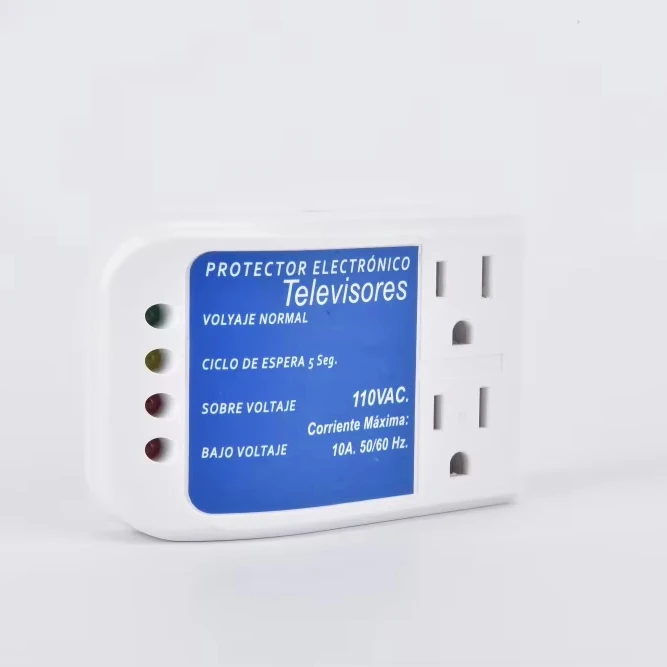
ရွေးချယ်မှုလုပ်ငန်းစဉ်တွင် သင့်အိမ်၏ ဗို့အားလိုအပ်ချက်များ၊ ချိတ်ဆက်ထားသော ပစ္စည်းများ၏ အာရုံခံနိုင်မှုအဆင့်များ၊ တပ်ဆင်မှုနှင့် ပတ်သက်သော နှစ်သက်မှုများနှင့် ဘတ်ဂျက်ဆိုင်ရာ အချက်များကို အကဲဖြတ်ရန် လိုအပ်ပါသည်။ ခေတ်မှီသော အိမ်သုံး ဗို့အားကာကွယ်ရေးကိရိယာများသည် အခြေခံသော ဗို့အားမြင့်မှုကာကွယ်မှုများမှ စတင်၍ ဒစ်ဂျစ်တယ် စောင်းကြည့်မှုစွမ်းရည်များဖြင့် ပြည့်စုံသော ဗို့အားညှိညွှန်းမှုအထိ ကာကွယ်မှုအဆင့်များကို အဆင့်များစွာဖြင့် ပေးစေပါသည်။ ထို့ကြောင့် အကောင်းမွန်ဆုံးသော လျှပ်စစ်ကာကွယ်ရေးကို ရှာဖွေနေသော အိမ်ရှင်များအတွက် ဤရွေးချယ်မှုသည် အလွန်အရေးကြီးပြီး ရှုပ်ထွေးမှုများလည်း ရှိပါသည်။
သင့်အိမ်၏ လျှပ်စစ်အခြေခံအဆောက်အအုံသည် ထိရောက်သော ကာကွယ်မှုအတွက် လိုအပ်သော ဗို့အားကာကွယ်ရေးကိရိယာ၏ အမျိုးအစားနှင့် စွမ်းရည်ကို ဆုံးဖြတ်ပေးပါသည်။ လျှပ်စစ်ဝိုင်ယာများ အဟောင်းကြီးဖြစ်သော အိမ်များတွင် ဗို့အားမတည်မင်းမှုများ ပိုများလေ့ရှိပြီး ဗို့အားပေါ်လွန်မှုများကို မက်ထားသည့် အားကောင်းသော ကာကွယ်ရေးဖြေရှင်းနည်းများ လိုအပ်ပါသည်။ သင့်လျှပ်စစ်ပေါ်လ် (panel) ၏ အသက်၊ ဝိုင်ယာအရွယ်အစားနှင့် ဂရုန်းဒ်စနစ် (grounding system) တို့သည် သင့်နှင့် ချိတ်ဆက်ထားသော လျှပ်စစ်ပစ္စည်းများနှင့် အီလက်ထရွန်နစ်ပစ္စည်းများအပေါ် ဗို့အားမတည်မင်းမှုများ မည်သို့သြဇာသက်ရောက်မုန်းသည်ကို အောက်ပါအတိုင်း သက်ရောက်ပါသည်။
ဗို့အားကာကွယ်ရေးကိရိယာများ လိုအပ်မှုကို ဆုံးဖြတ်ရာတွင် ဘူမိဌာနိက တည်နေရာသည် အရေးပါသော အခန်းကဏ္ဍမှ ပါဝင်ပါသည်။ မုန်တိုင်းများ၊ လျှပ်စစ်ဓာတ်အားလိုင်းများ မတည်မင်းမှုများ သို့မဟုတ် စက်မှုလျှပ်စစ်အဝေးမှ အန်တီနာများ (interference) ဖြစ်ပွားလေ့ရှိသော နေရာများတွင် ဗို့အားနှင့် သက်ဆောင်သော အဖြစ်အပျက်များ ပိုများလေ့ရှိပါသည်။ လျှပ်စစ်အခြေခံအဆောက်အအုံများ ပိုများသော မြို့ပြနေရာများတွင် အခြားသော စိန်ခေါ်မှုများကို ရင်ဆိုင်ရပြီး လျှပ်စစ်ဓာတ်အားလိုင်းများ ပိုရှည်ပြီး ပိုများသော အားနည်းချက်များရှိသော ကျေးလက်နေရာများနှင့် ကွဲပါသည်။
သင့်အိမ်တွင် စုစုပေါင်းလျှပ်စစ်ဖိအားသည် ဗို့အားကာကွယ်ရေးကိရိယာရွေးချယ်မှုကို အကျိုးသက်ရောက်စေပါသည်။ အထူးသဖြင့် အများဆုံးလျှပ်စစ်သုံးစွဲမှုအချိန်များတွင် အတွင်းပိုင်းဗို့အားကျဆင်းမှုများ ဖြစ်ပေါ်လာနိုင်ပြီး ၎င်းတို့ကို ပြုပြင်ဖော်ကြီးပေးရန် လိုအပ်ပါသည်။ အများအားဖြင့် မြင့်မားသော လျှပ်စစ်စွမ်းအားရှိသော ပစ္စည်းများ၊ လျှပ်စစ်မော်တော်ဆိုင်ကယ်များအတွက် အားသွင်းကိရိယာများနှင့် အသုံးများသော အီလက်ထရွန်နစ်စနစ်များ ပါဝင်သည့် ခေတောင်းခေတ်အိမ်များသည် အခြေခံလျှပ်စစ်လိုအပ်ချက်များသာ ရှိသည့် ရှေးရိုးစွဲ အိမ်သုံးစနစ်များထက် ပိုမိုရှုပ်ထွေးသော ဗို့အားကာကွယ်ရေးစနစ်များကို လိုအပ်ပါသည်။
အသုံးပြုမှုအမျိုးမျိုးရှိသည့် စက်ပစ္စည်းများနှင့် အီလက်ထရွန်နစ်ပစ္စည်းများသည် ၎င်းတို့၏ အာရုံခံနိုင်မှုနှင့် အစားထိုးရန် ကုန်ကျစွ expense များပေါ်တွင် မတူညီသည့် အဆင့်များရှိသည့် ဗို့အားကာကွယ်မှုကို လိုအပ်ပါသည်။ ကွန်ပျူတာများ၊ ဖျော်ဖြေရေးစနစ်များနှင့် စမတ်အိမ်ပစ္စည်းများကဲ့သို့သည့် တန်ဖိုးမြင့် အီလက်ထရွန်နစ်ပစ္စည်းများတွင် အလွန်နှိမ့်ချထားသည့် စက်ပစ္စည်းများ ပါဝင်ပါသည်။ ဤစက်ပစ္စည်းများသည် ဗို့အားအနည်းငယ်သာ ပြောင်းလဲမှုများကြောင့် အမြဲတမ်းပျက်စီးမှုများ ဖြစ်ပေါ်စေနိုင်ပါသည်။ ထို့ကြောင့် အခြေခံသော လျှပ်စစ်လှိုင်းများကို ကာကွယ်ပေးသည့် ကာကွယ်ရေးစနစ်များထက် ပိုမိုတိက်မှုရှိသည့် ဗို့အားထိန်းညှိမှုစနစ်များကို လိုအပ်ပါသည်။
ရှုပ်ထွေးသော လျှပ်စစ်ပစ္စည်းများဖြစ်သည့် ရေခဲသေတ္တာများ၊ လေအေးပေးစက်စနစ်များနှင့် လျှပ်စစ်ဖွဲ့စည်းမှုများသည် ဗို့အားကာကွယ်ရေးစနစ်ဖြင့် အကူအညီရရှိသင့်သည့် အရေးကြီးသော ရင်းနှီးမှုများဖြစ်သည်။ သို့သော် ဤပစ္စည်းများသည် အထူးသဖြင့် အာရုံခံနိုင်မှုရှိသည့် လျှပ်စစ်ပစ္စည်းများထက် ဗို့အားအကွာအဝေးပိုများကို သည်းခံနိုင်သည်။ ဤပစ္စည်းများသည် ဗို့အားမမှန်မှုများကို အမြဲတမ်း ခံစားရပါက အသက်တမ်းနှင့် စွမ်းဆောင်ရည်နှင့် ပတ်သက်၍ လျော့နည်းလာပါသည်။ ထို့ကြောင့် ဗို့အားကာကွယ်ရေးသည် ငွေကုန်ကုန်ကုန်ကုန်ကုန်ကုန်ကုန်ကုန်ကုန်ကုန်ကုန်ကုန်ကုန်ကုန်ကုန်ကုန်ကုန်ကုန်ကုန်ကုန်ကုန်ကုန်ကုန်ကုန်ကုန်ကုန်ကုန်ကုန်ကုန်ကုန်ကုန်ကုန်ကုန်ကုန်ကုန်ကုန်ကုန်ကုန်ကုန်ကုန်ကုန်ကုန်ကုန်ကုန်ကုန်ကုန်ကုန်ကုန်ကုန်ကုန်ကုန်ကုန်ကုန်ကုန်ကုန်ကုန်ကုန်ကုန်ကုန်ကုန်ကုန်ကုန်ကုန်ကုန်ကုန်ကုန်ကုန်ကုန်ကုန်ကုန်ကုန်ကုန်ကုန်ကုန်ကုန်ကုန်ကုန်ကုန်ကုန်ကုန်ကုန်ကုန်ကုန်ကုန်ကုန်ကု......
လုံခြုံရေးပစ္စည်းများ၊ ဆေးဘက်ဆိုင်ရာပစ္စည်းများနှင့် အရေးပေါ်အပိုစနစ်များကဲ့သို့သည့် အရေးကြီးသော စနစ်များသည် လျှပ်စစ်စွမ်းအားအရည်အသွေးကို မပေါ်မပေါ်မပေါ်မပေါ်မပေါ်မပေါ်မပေါ်မပေါ်မပေါ်မပေါ်မပေါ်မပေါ်မပေါ်မပေါ်မပေါ်မပေါ်မပေါ်မပေါ်မပေါ်မပေါ်မပေါ်မပေါ်မပေါ်မပေါ်မပေါ်မပေါ်မပေါ်မပေါ်မပေါ်မပေါ်မပေါ်မပေါ်မပေါ်မပေါ်မပေါ်မပေါ်မပေါ်မပေါ်မပေါ်မပေါ်မပေါ်မပေါ်မပေါ်မပေါ်မပေါ်မပေါ်မပေါ်မပေါ်မပေါ်မပေါ်မပေါ်မပေါ်မပေါ်မပေါ်မပေါ်မပေါ်မပေါ်မပေါ်မပေါ်မပေါ်မပေါ်မပေါ်မပေါ်မ......
အိမ်တစ်လုံးလုံးအတွက် ဗို့အားကာကွယ်ရေးပစ္စည်းတွေကို သင့်ရဲ့ အဓိက လျှပ်စစ်ပလက်ဖောင်းမှာ တပ်ဆင်ပေးခြင်းဖြင့် သင့်အိမ်တစ်ဝှမ်းက ချိတ်ဆက်ထားတဲ့ ပတ်လမ်းတွေနဲ့ ကိရိယာအားလုံးကို အပြည့်အဝ ကာကွယ်ပေးပါတယ်။ ဤစနစ်များသည် အသုံးပြုမှုနေရာတွင် သီးခြားကိရိယာများ မလိုဘဲ ဗဟိုပြုကာကွယ်မှု၏ အကျိုးကျေးဇူးကို ပေးသော်လည်း၊ ဒေသတွင်းကာကွယ်မှု ထပ်မံရရှိသည့် အလွန်ထိခိုက်လွယ်သည့် ကိရိယာများအတွက် လိုအပ်သည့် တိကျမှုကို မပေးနိုင်ပါ။
အိမ်တစ်ခုလုံးအတွက် ဗို့အားကာကွယ်ရေးစနစ်များကို တပ်ဆင်ခြင်းသည် အများအားဖြင့် ပရော်ဖက်ရှင်နယ် လျှပ်စစ်ပညာရှင်များ၏ အကူအညီဖြင့် လုပ်ဆောင်ရပါမည်။ ထို့အပ alongside လျှပ်စစ်ခွဲဝေမှုစနစ်နှင့် တိုက်ရိုက်ချိတ်ဆက်မှုရှိသည့် အတွက် လိုအပ်သော ခွင့်ပြုခွင့်များကို ရယူရန် လိုအပ်ပါသည်။ ပရော်ဖက်ရှင်နယ် တပ်ဆင်မှုအတွက် ရင်းနှီးမှုသည် စုံလင်စွာသော ကာကွယ်မှုဖြင့် အကျိုးအမြတ်ရရှိပါသည်။ ထို့အပ alongside အိမ်တစ်ခုလုံးတွင် အလွန်များပြားသော အသုံးပြုမှုနေရာအလိုက် ကာကွယ်ရေးပစ္စည်းများကို တပ်ဆင်ရန် လိုအပ်မှုကို လျော့နည်းစေပါသည်။
ခေတ်မှီ အိမ်တစ်ခုလုံးအတွက် ဗို့အားကာကွယ်ရေးပစ္စည်းများသည် လျှပ်စစ်အခြေအနေများကို စောင်းကြည့်ခြင်းနှင့် ပစ္စည်းများပျက်စီးမှုဖြစ်ပေါ်စေနိုင်သည့် ပြဿနာများအတွက် အသိပေးခြင်းစသည့် ခေတ်မှီသော စောင်းကြည့်မှုစွမ်းရည်များကို ပါဝင်စေသည်။ အချို့သော စနစ်များတွင် အဝေးမှ စောင်းကြည့်နိုင်သည့် လုပ်ဆောင်ခွင့်များ ပါဝင်ပြီး အိမ်ရှင်များသည် စမတ်ဖုန်းအက်ပလီကေးရှင်းများ သို့မဟုတ် ဝဘ်အင်တာဖေးများမှတစ်ဆင့် လျှပ်စစ်အခြေအနေများနှင့် ကာကွယ်ရေးအခြေအနေကို စောင်းကြည့်နိုင်သည်။
အသုံးပြုမှုနေရာတွင် ဗို့အားကာကွယ်ရေးပစ္စည်းများသည် အထူးသဖြင့် အသုံးပြုသည့် ပစ္စည်းများ သို့မဟုတ် ပစ္စည်းအုပ်စုများအတွက် ပစ်မှတ်ထားသော ကာကွယ်မှုကို ပေးစေပြီး ပစ္စည်းတစ်ခုချင်းစီ၏ လိုအပ်ချက်များနှင့် ကိုက်ညီသည့် အတိအကျရှိသော ဗို့အားထိန်းညှိမှုကို ပေးစေသည်။ ဤပစ္စည်းများသည် ပုံမှန်အားဖြင့် လက်ရှိရှိသော ပလပ်များတွင် တိုက်ရိုက်ထည့်သွင်းအသုံးပြုနိုင်ပါသည် သို့မဟုတ် နံရံပလပ်နှင့် ကာကွယ်ရေးပစ္စည်းကြားတွင် တိုက်ရိုက်ချိတ်ဆက်အသုံးပြုနိုင်ပါသည်။ ထို့ကြောင့် ကာကွယ်မှုကို လွယ်ကူစွာ တပ်ဆင်နိုင်ပါသည်။ လိုအပ်ပါက လွယ်ကူစွာ ရွှေ့ပေးနိုင်ပါသည်။
အသုံးပြုမှုနေရာတွင် ဗို့အားကာကွယ်ရေးကိရိယာများ၏ အကောင်းများမှာ ၎င်းတို့သည် စက်ပစ္စည်းအများအပြားအတွက် လိုအပ်သည့် ကာကွယ်မှုအဆင့်များကို အထူးသတ်မှတ်ပေးနိုင်ခြင်းဖြစ်သည်။ ဥပမါ- ကွန်ပျူတာပစ္စည်းများသည် အိမ်သုံးပစ္စည်းများထက် ဗို့အားအတိုင်းအတာများ ကွဲပြားစေလိုသည်။ ဤသို့သော အထူးသမ်းသော ချဉ်းကပ်မှုသည် အိမ်တ whole လုံးအတွက် စနစ်ပေးခြင်းသည် မလိုအပ်သည့် (သို့) အလုပ်မဖြစ်နိုင်သည့် အခြေအနေများတွင် စုစုပေါင်းကုန်ကုန်ကုန်သက်သာစေသည့် ကာကွယ်မှုစနစ်များကို အသုံးပြုနိုင်စေသည်။
အသုံးပြုမှုနေရာတွင် အများအပြားသော လိပ်စာကားဝန်ထမ်း ယူနစ်များတွင် အတွင်းပိုင်း ရှာဖွေရေးစနစ်များနှင့် အခြေအနေညွှန်ပ indicators များ ပါဝင်ပြီး ၎င်းတို့သည် လျှပ်စစ်အခြေအနေများနှင့် ကာကွယ်ရေးစနစ်၏ အခြေအနေကို ချက်ချင်းပေးစေသည်။ ဤလုပ်ဆောင်ချက်များသည် အိမ်ရှင်များအား ၎င်းတို့၏ ကာကွယ်ရေးနောက်ခံများ၏ ထိရောက်မှုကို စောင်းကြည့်နိုင်စေပြီး စက်ပစ္စည်းများပျက်စီးမှုသို့ ပိုမိုဆိုးရွားလာမည့် ပြဿနာများကို အချိန်မီ ဖမ်းမိနိုင်စေသည်။
ဗို့အားအကွာအဝေး သတ်မှတ်ချက်သည် သင့်၏ ဗို့အားကာကွယ်ရေးကိရိယာသည် ကာကွယ်ထားသော စက်ပစ္စည်းများအား စဥ်ဆက်မပြတ် ထုတ်လုပ်နေရန် လက်ခံနိုင်သည့် အဝင်ဗို့အားအခြေအနေများကို ဖော်ပြပါသည်။ အိမ်သုံး ဗို့အားကာကွယ်ရေးကိရိယာများသည် အများအားဖြင့် ၁၈၀ ဗို့မှ ၂၆၀ ဗို့အထိ အဝင်အကွာအဝေးကို လက်ခံနိုင်သော်လည်း သင့်ဒေသ၏ လျှပ်စစ်လိုင်းစနစ် အခြေအနေများနှင့် ကာကွယ်ထားသော ပစ္စည်းများ၏ အထိလွယ်မှုအပေါ်တွင် တိကျသည့်လိုအပ်ချက်များ မှီခိုပါသည်။
တုံ့ပြန်မှုအချိန်သည် သင့်၏ ဗို့အားကာကွယ်ရေးကိရိယာသည် ဗို့အားပြောင်းလဲမှုများကို မည်မျှမြန်မြန် တုံ့ပြန်နိုင်ကြောင်းကို ဆုံးဖြတ်ပေးပါသည်။ တုံ့ပြန်မှုအချိန်များ မြန်ဆန်လေလေ ဗို့အားအနည်းငယ်ပြောင်းလဲမှုများကြောင့် ပျက်စီးနိုင်သည့် အထိလွယ်သော အီလက်ထရွန်နစ်ပစ္စည်းများအတွက် ပိုမိုကောင်းမောင်းသော ကာကွယ်မှုကို ပေးစေပါသည်။ အရည်အသွေးမြင့် ဗို့အားကာကွယ်ရေးကိရိယာများသည် မိုက်ခရိုစက်န် (microseconds) အတွင်း ဗို့အားအမှားအမှန်များကို တုံ့ပြန်ပေးပါသည်။ အခြေခံအဆင့် ကိရိယာများသည် ကာကွယ်ရေးစနစ်များကို စတင်လုပ်ဆောင်ရန် မီလီစက်န် (milliseconds) အနည်းငယ်ကုန်သော အချိန်ကို လိုအပ်ပါသည်။
ဗို့အားထိန်းချုပ်မှု တိကျမှုက သင့်ကိရိယာကို ပို့လွှတ်တဲ့ စွမ်းအင်ရဲ့ တည်ငြိမ်မှုကို သက်ရောက်စေပြီး ပိုတင်းကျပ်တဲ့ ထိန်းချုပ်မှုက ပိုကောင်းတဲ့ ကာကွယ်မှုကို ပေးပေမဲ့ ပုံမှန်အားဖြင့် ပိုကြီးတဲ့ ကုန်ကျစရိတ်နဲ့ပါ။ ကျွမ်းကျင်မှုအဆင့် voltage protectors များသည် nominal voltage ၏ ± 2% အတွင်း output ကိုထိန်းသိမ်းထားပြီး နေအိမ်အစိတ်အပိုင်းများတွင်တော့ အများစုသော အိမ်သုံးသုံးပစ္စည်းများအတွက် လုံလောက်သောကာကွယ်မှုပေးနေစဉ်တွင် ± 5% ကွဲပြားမှုကို ခွင့်ပြုနိုင်သည်။
စွမ်းအင်စွမ်းဆောင်ရည် သတ်မှတ်ချက်တွေက ကာကွယ်ရေး ထိရောက်မှု (သို့) စိတ်ချရမှုကို ထိခိုက်စေခြင်းမရှိပဲ သင့်အားလျှပ်စစ်ကာကွယ်ရေးကိရိယာက ကိုင်တွယ်နိုင်တဲ့ အများဆုံး လျှပ်စစ်ဝန်ထုပ်ကို သတ်မှတ်ပါတယ်။ အလျင်လျှပ်စစ်ကာကွယ်ရေးကိရိယာများတွင် လိုအပ်ချက်များများသော ကာလများတွင် လုံလောက်သော ကာကွယ်မှု မပေးနိုင်သော်လည်း အလျင်လျှပ်စစ်ကာကွယ်ရေးကိရိယာများတွင် လုံလောက်သော ကာကွယ်မှုအကျိုးကျေးဇူးများ မရှိဘဲ မလိုအပ်သော ကုန်ကျစရိတ်များ ဖြစ်ပေါ်စေသည်။
လိုအပ်သော စွမ်းအားကို တွက်ချက်ရာတွင် ချိတ်ဆက်ထားသော စက်ပစ္စည်းအားလုံး၏ စွမ်းအင်သုံးစွဲမှုကို ပေါင်းထည့်ပြီး စတင်မှုအချိန်တွင် ဖြစ်ပေါ်လေ့ရှိသော အရှိန်မှုန်မှုများနှင့် အနာဂတ်တွင် ချဲ့ထွင်မှုအတွက် လုံခြုံရေးအတွက် အပိုစွမ်းအားကို ထည့်သွင်းစဉ်းစားရပါမည်။ လေအေးပေးစနစ်များ၊ လျှပ်စစ်အပူပေးစနစ်များနှင့် မော်တာများဖြင့် လည်ပတ်သော ပစ္စည်းများသည် ပုံမှန်လည်ပတ်မှုအချိန်ထက် စတင်မှုအချိန်တွင် အများအားဖြင့် ပိုမိုများပေါ်သော စွမ်းအင်ကို လိုအပ်ပါသည်။ ထိုသို့သော အချက်များသည် ဗို့အားကာကွယ်ရေးပစ္စည်းများ၏ အရွယ်အစားသတ်မှတ်မှုကို သက်ရောက်မှုရှိပါသည်။
အမြဲတမ်းစွမ်းအားနှင့် အရှိန်မှုန်မှုစွမ်းအား အမှတ်အသားများသည် လုပ်ဆောင်နေသော စွမ်းရည်များကွဲပါသည်။ ဗို့အားကာကွယ်ရေးပစ္စည်းများသည် အမြဲတမ်းလည်ပတ်မှုဖြင့် ဖော်ပြသော ဘောင်ချာများကို အပ်နှင်းထားသည့် အချိန်တွင် အနှောင်အဖေးများမှ ကာကွယ်ပေးရန်နှင့် အရှိန်မှုန်မှုဖြင့် ဖော်ပြသော အချိန်တိုအတွင်း ဖြစ်ပေါ်လေ့ရှိသော စွမ်းအင်အများကြီးကို ပျက်စီးမှုများ သို့မဟုတ် ကာကွယ်မှုမှုန်ခြင်းများမှ ကာကွယ်ပေးရန် လိုအပ်ပါသည်။ ဤအမှတ်အသားများကို နားလည်ခြင်းဖြင့် သင်ရွေးချယ်ထားသော ဗို့အားကာကွယ်ရေးပစ္စည်းသည် မည်သည့် လုပ်ဆောင်မှုအခြေအနေများတွင်မဆို ယုံကြည်စိတ်ချရသော ကာကွယ်မှုကို ပေးစွမ်းနိုင်မည်ဖြစ်ပါသည်။
အောင်မြင်စွာ voltage protector တပ်ဆင်ရန်အတွက် သင့်ရဲ့ विद्युतစနစ်ရဲ့ တည်ဆဲ configuration နဲ့ လိုက်ဖက်မှု လိုအပ်ပါတယ်၊ ပါဝါပြားအမျိုးအစား၊ နေရာလွတ်နဲ့ ပတ်လမ်း ကာကွယ်ရေး ညှိနှိုင်းမှု အပါအဝင်ပါ။ voltage protector အချို့မှာ လျှပ်စစ် panel အစိတ်အပိုင်းအခြား လိုအပ်ပြီး အချို့ breakers အမျိုးအစားတွေနဲ့ မကိုက်ညီနိုင်လို့ မတပ်ဆင်ခင် အကဲဖြတ်မှုကို အောင်မြင်စွာ အကောင်အထည်ဖော်ဖို့ အရေးပါပါတယ်။
မြေချိတ်စနစ်ရဲ့ လုံလောက်မှုက voltage protector ရဲ့ စွမ်းဆောင်ရည်ကို သက်ရောက်စေပါတယ်။ အကြောင်းက မှန်ကန်တဲ့ မြေချိတ်ခြင်းဟာ voltage ထိန်းချုပ်မှုနဲ့ surge suppression ထိရောက်မှုအတွက် အညွှန်းမှတ်တစ်ခု ဖြစ်လို့ပါ။ လုံလောက်မှုမရှိသော (သို့) ပျက်စီးသော မြေချိတ်စနစ်ရှိသည့် အိမ်များတွင် အကောင်းဆုံး ကာကွယ်မှု စွမ်းဆောင်ရည်ကို အာမခံရန် voltage protector ကို တပ်ဆင်ရန်မတိုင်မီ လျှပ်စစ် အဆင့်မြှင့်တင်ရန် လိုအပ်နိုင်သည်။
စီးကရ်ကျူးကာကွယ်ရေး ညှိနှိုင်းမှုသည် လုံခြုံရေးအန္တရာယ်များ သို့မဟုတ် မလိုလားအပ်သော ဖွင့်ခေါက်မှုများ မဖြစ်ပေါ်စေဘဲ သင့်အိမ်တွင် အသုံးပြုနေသော ဘရိတ်ကာများနှင့် ဖျူးစ်များနှင့် ဗို့အားကာကွယ်ရေးကိရိယာ အကောင်အကျင်းဖြစ်စေရန် သေချာစေပါသည်။ ပရော်ဖက်ရှင်နယ် တပ်ဆင်မှုတွင် များသောအားဖြင့် ဗို့အားကာကွယ်ရေးကိရိယာနှင့် အထက်တန်း ကာကွယ်ရေးကိရိယာများအကြား မှန်ကန်သော ညှိနှိုင်းမှုကို စစ်ဆေးခြင်းပါဝင်ပါသည်။ ထိုသို့ဖြင့် လျှပ်စစ်စနစ်၏ လုံခြုံရေးစံနှုန်းများကို ထိန်းသိမ်းနိုင်ပါသည်။
တပ်ဆင်မှုနေရာသည် ဗို့အားကာကွယ်ရေးကိရိယာ၏ စွမ်းဆောင်ရည်နှင့် သက်တမ်းကို သက်ရောက်မှုရှိပါသည်။ အထူးသဖြင့် အပူချိန်အလွန်အကျူး၊ စိုထုံးမှုနှင့် ဖုန်များ ထိတ်တွေ့မှုတို့သည် အီလက်ထရွန်နစ်အစိတ်အပိုင်းများနှင့် အအေးခံစနစ်များကို ထိခိုက်နိုင်ပါသည်။ အတွင်းပိုင်းတပ်ဆင်မှုများသည် ပတ်ဝန်းကျင်အခြေအနေကို ပိုမိုကောင်းမော်စေပါသည်။ အတွင်းပိုင်းတပ်ဆင်မှုများသည် ပတ်ဝန်းကျင်အခြေအနေကို ပိုမိုကောင်းမော်စေပါသည်။ အပြင်တွင် အသုံးပြုရန် အထူးဒီဇိုင်းထုတ်ထားသော ယူနစ်များကို အချို့သော အသုံးပြုမှုများ သို့မဟုတ် နေရာကြောင်းအကြောင်းအရာများအတွက် လိုအပ်နိုင်ပါသည်။
တပ်ဆင်ရာနေရာသည် ကာကွယ်မှုအားထောက်ပံ့မှု ထိရောက်မှုနှင့် ထိန်းသိမ်းရေးလုပ်ငန်းများကို လွယ်ကူစေမှုကို နှစ်ဖက်စလုံးတွင် အကျိုးသက်ရောက်မှုရှိပါသည်။ အထူးသဖြင့် ဗို့အားကာကွယ်ရေးပစ္စည်းများသည် အကောင်းမွန်ဆုံးအားဖော်ပေးမှုအတွက် လေဝင်လေထွက်ကောင်းမှုနှင့် ကာလတိုင်း စစ်ဆေးမှုများ လုပ်ဆောင်ရန် လိုအပ်ပါသည်။ နံရံတွင် တပ်ဆင်ထားသော ပစ္စည်းများအတွက် အပူပေးစွမ်းအားကို ဖြန့်ဖြူးရန် လုံလောက်သော အကွာအဝေးရှိရန် လိုအပ်ပါသည်။ အချိန်တိုင်း တပ်ဆင်ထားသော ပစ္စည်းများအတွက်မူ အခြားလျှပ်စစ်ပစ္စည်းများနှင့် ပေါင်းစပ်မှုမရှိဘဲ ရရှိနေသော နေရာအတွင်း ကျေနပ်စေရန် လိုအပ်ပါသည်။
ထိန်းသိမ်းရေးနှင့် စောင်းကြည့်မှုအတွက် လွယ်ကူစေမှုသည် ဗို့အားကာကွယ်ရေးပစ္စည်းများ၏ ရှည်လျားသောကာလ အားဖော်ပေးမှုကို အကျိုးသက်ရောက်မှုရှိပါသည်။ ဤပစ္စည်းများသည် ကာလတိုင်း စစ်ဆေးမှုများနှင့် အခါအားလျော်စွာ အစိတ်အပိုင်းများ အစားထိုးမှုများ လုပ်ဆောင်ရန် လိုအပ်ပါသည်။ အရည်အသွေးပြည့်မှုရှိသော နည်းပညာပုဂ္ဂိုလ်များအတွက် လွယ်ကူစေမှုရှိသော နေရာများသည် ပစ္စည်း၏ အသုံးပေးသက်တမ်းတစ်လျှောက် ကာကွယ်မှုအားဖော်ပေးမှု ယုံကြည်စိတ်ချရမှုကို အာမခံပေးရန် အထောက်အကူပေးပါသည်။
ဗို့အားကာကွယ်ရေးစနစ်များ၏ စုစုပေါင်းစုစုပေါင်းစုစုပေါင်းစုစုပေါင်းစုစုပေါင်းစုစုပေါင်းစုစုပေါင်းစုစုပေါင်းစုစုပေါင်းစုစုပေါင်းစုစုပေါင်းစုစုပေါင်းစုစုပေါင်းစုစုပေါင်းစုစုပေါင်းစုစုပေါင်းစုစုပေါင်းစုစုပေါင်းစုစုပေါင်းစုစုပေါင်းစုစုပေါင်းစုစုပေါင်းစုစုပေါင်းစုစုပေါင်းစုစုပေါင်းစုစုပေါင်းစုစုပေါင်းစုစုပေါင်းစုစုပေါင်းစုစုပေါင်းစုစုပေါင်းစုစုပေါင်းစ......
ရှည်လျားသောကာလအတွက် တန်ဖိုးတွက်ချက်မှုများတွင် ကာကွယ်ထားသောပစ္စည်းများ၏ အစားထိုးစရိတ်၊ အာမခံကုန်ကုန်သုံးစရိတ်နှင့် သင့်ဒေသတွင် ဗို့အားနှင့်ဆိုင်သော အဖြစ်အပျက်များ၏ မက်ထားသော အကြိမ်ရေအားလုံးကို ထည့်သွင်းစဉ်းစားရမည်။ အရည်အသွေးမြင့် ဗို့အားကာကွယ်ရေးစနစ်တစ်ခုသည် အဓိကလျှပ်စစ်ပစ္စည်းတစ်ခု၏ ပျက်စီးမှု သို့မဟုတ် အီလက်ထရွန်နစ်ပစ္စည်းများကို အစားထိုးရန် လိုအပ်သည့် စရိတ်ကို ကာကွယ်ပေးခြင်းဖြင့် မှန်ကန်စွာ ပြန်လည်ရရှိနိုင်ပါသည်။ ထို့ကြောင့် ရင်းနှီးမှုဆုံးဖြတ်ချက်သည် စီးပွားရေးအရ သုံးသပ်မှုထက် စွန့်စားမှုကို လက်ခံနိုင်မှုအပေါ် အဓိကအားဖေးမှုပေးပါသည်။
အာမခံခြင်း ဖုံးလွှမ်းမှုနှင့် ထုတ်လုပ်သူ၏ ပံ့ပိုးမှုများသည် ရေရှည်တွင် ပိုင်ဆိုင်မှုစရိတ်များကို သက်ရောက်မှုရှိပါသည်။ အဘယ်ကြောင့်ဆိုသော် ဗို့အားကာကွယ်ရေးကိရိယာများတွင် သတ်မှတ်ထားသော အခြေအနေများအောက်တွင် ချိတ်ဆက်ထားသော ကိရိယာများ၏ ပျက်စီးမှုကို ဖုံးလွှမ်းပေးသည့် ပိုင်ရှင်မှု ကာကွယ်ရေးအာမခံခြင်းများ ပါဝင်နိုင်သောကြောင့်ဖြစ်သည်။ အာမခံခြင်းအသေးစိတ်အချက်များနှင့် ကန့်သတ်ချက်များကို နားလည်ခြင်းဖော်ပြခြင်းဖော်ပြခြင်းဖော်ပြခြင်းဖော်ပြခြင်းဖော်ပြခြင်းဖော်ပြခြင်းဖော်ပြခြင်းဖော်ပြခြင်းဖော်ပြခြင်းဖော်ပြခြင်းဖော်ပြခြင်းဖော်ပြခြင်းဖော်ပြခြင်းဖော်ပြခြင်းဖော်ပြခြင်းဖော်ပြခြင်းဖော်ပြခြင်းဖော်ပြခြင်းဖော်ပြခြင်းဖော်ပြခြင်းဖော်ပြခြင်းဖော်ပြခြင်းဖော်ပြခြင်းဖော်ပြခြင်းဖော်ပြခြင်းဖော်ပြခြင်းဖော်ပြခြင်းဖော်ပြခြင်......
နေအိမ်များအတွက် ဗို့အားကာကွယ်ရေးပစ္စည်းများအတွက် အရေးကြီးသော အချက်များမှာ ယုံကြည်စိတ်ချရသည့် ဗို့အားထိန်းချုပ်မှု၊ အတက်အကျကို တားဆီးခြင်းနှင့် အခြေခံအခြေအနေကို ဖော်ပြခြင်းတို့ ပါဝင်ပြီး အဝေးမှ စောင့်ကြည့်ခြင်း၊ ဒေတာမှတ်တမ်းတင်ခြင်းနှင့် စမတ်ဖုန်း ချိတ်ဆက်မှုကဲ့သို့သော အဆင့်မြင့်အချက်များသည် ပိုမို လက်ရှိ ရွေးချယ်စရာတွေထက် လက်တွေ့ လိုအပ်ချက်တွေကို အခြေခံတဲ့ အချက်တွေကို ဦးစားပေးခြင်းဟာ အများဆုံး ကာကွယ်မှု တန်ဖိုးအတွက် ဘတ်ဂျက်ခွဲဝေမှုကို အကောင်းဆုံး လုပ်ဖို့ ကူညီပေးပါတယ်။
စကေးလာဘီလီတီ အကြောင်းအရာများသည် ရေရှည်တန်ဖိုးကို အကျိုးသက်ရောက်စေပါသည်။ အထူးသဖြင့် မော်ဂျူလာ ဗို့အား ကာကွယ်ရေး စနစ်များသည် လျှပ်စစ်လိုအပ်ချက်များ ပြောင်းလဲလာသည်နှင့်အမျှ နောင်တွင် ချဲ့ထွင်ခြင်း သို့မဟုတ် ပြန်လည် ပုံစံသတ်မှတ်ခြင်းကို အလွယ်တကူ ပြုလုပ်နိုင်ပါသည်။ အခြေခံကာကွယ်ရေးမှ စတင်၍ အချိန်ကြာလာသည်နှင့်အမျှ အစိတ်အပိုင်းများကို တဖြည်းဖြည်း အဆင့်မြှင့်ခြင်းသည် လက်ရှိလိုအပ်ချက်များထက် ပိုမိုကြီးမားသော စနစ်များတွင် ရင်းနှီးမှုပေးခြင်းထက် ဘတ်ဂျက် စီမံခန့်ခွဲမှုအတွက် ပိုမိုကောင်းမွန်သော နည်းလမ်းဖြစ်ပါသည်။
ကျွမ်းကျင်သော လျှပ်စစ် အော်ပရေတာများသည် စနစ်အရွယ်အစား၊ တပ်ဆင်မှု လိုအပ်ချက်များနှင့် ဒေသခံ စည်းမျဉ်းများနှင့် ကိုက်ညီမှု အကြောင်း အရေးကြီးသော အကူအညီများကို ပေးနိုင်ပါသည်။ ထို့ကြောင့် ကျွမ်းကျင်သူများ၏ အကဲဖြတ်မှုတွင် ရင်းနှီးမှုပေးခြင်းသည် စုံစမ်းစစ်ဆေးမှု အမှားများကို ကာကွယ်ပေးပါသည်။ ထို့အပြင် သင့်၏ အထူးလုပ်ဆောင်မှုအတွက် ဗို့အား ကာကွယ်ရေး စနစ်၏ အကောင်းမွန်ဆုံး စွမ်းဆောင်ရည်ကို သေချာစေပါသည်။
သင့်အိမ်၏ စုစုပေါင်းလျှပ်စစ်ဖိအားနှင့် ကာကွယ်ရန်လိုအပ်သည့် ပစ္စည်းများပေါ်တွင် လိုအပ်သည့် ဗို့အားကာကွယ်ရေးပစ္စည်း၏ အရွယ်အစားသည် မူတည်ပါသည်။ ဗို့အားကာကွယ်ရေးပစ္စည်းနှင့် ချိတ်ဆက်မည့် ပစ္စည်းအားလုံး၏ စုစုပေါင်းလျှပ်စစ်စွမ်းအားသုံးစွဲမှုကို တွက်ချက်ပါ၊ ထို့နောက် စတင်မှုအချိန်တွင် ဖြစ်ပေါ်လာနိုင်သည့် လျှပ်စစ်ဖိအားမြင့်မှုများနှင့် အနာဂတ်တွင် ပေါင်းထည့်မည့် ပစ္စည်းများအတွက် ၂၀-၃၀% အထိ လုံခြုံရေးအမြင့်ဆုံးအားဖေးမှုကို ထည့်သွင်းပါ။ အများအားဖေး အိမ်သုံးအသုံးအနေဖြင့် ၁၅-၅၀ အမ်ပီယာအထိ အဆင့်သတ်မှတ်ထားသည့် ဗို့အားကာကွယ်ရေးပစ္စည်းများကို အသုံးပြုကြပါသည်။ သို့သော် လျှပ်စစ်လိုအပ်ချက်များများရှိသည့် အိမ်ကြီးများအတွက် ပိုမိုမြင့်မားသည့် စွမ်းအားရှိသည့် ပစ္စည်းများကို လိုအပ်နိုင်ပါသည်။
အသုံးပြုမှုနေရာတွင် တပ်ဆင်ရေးပစ္စည်းများကို အိမ်ရှင်များက ကိုယ်တိုင်တပ်ဆင်နိုင်သည်ဖြစ်သော်လည်း အိမ်တစ်ခုလုံးအတွက် တပ်ဆင်ရေးစနစ်များကို အဖွဲ့ဝင်အားဖေး လျှပ်စစ်ပညာရှင်များက ပိုမိုကောင်းမွန်စွာ တပ်ဆင်ပေးရန် လိုအပ်ပါသည်။ တပ်ဆင်မှုအတွက် အဓိကလျှပ်စစ်ပေါ်လ်မှုန်းကို အသုံးပြုရပါမည်။ ထို့အပြင် ဒေသခံလျှပ်စစ်စံနှုန်းများအရ ခွင့်ပြုခွင့်နှင့် စစ်ဆေးမှုများ လိုအပ်နိုင်ပါသည်။ ပိုမိုကောင်းမွန်စွာ တပ်ဆင်ပေးခြင်းဖြင့် သင့်လျှပ်စစ်စနစ်နှင့် အကောင်အကျောင်ကောင်းစွာ ပေါင်းစပ်နိုင်ပါမည်။ ထို့အပြင် လုံခြုံရေးစံနှုန်းများနှင့် အာမခံချက်အာမခံချက်များကို ထိန်းသိမ်းပေးနိုင်ပါသည်။
ခေတ်မှီ ဗို့အားကာကွယ်ရေးကိရိယာအများစုတွင် လုပ်ဆောင်မှုအခြေအနေနှင့် လျှပ်စစ်အခြေအနေများကို ပြသသည့် LED မီးများ သို့မဟုတ် ဒစ်ဂျစ်တယ်ဖော်ပြချက်များကဲ့သို့သော အခြေအနေပြ အမိန့်များ ပါဝင်ပါသည်။ အစိမ်းရောင်မီးများသည် ပုံမှန်လုပ်ဆောင်မှုကို ဖော်ပြပြီး အနီရောင် သို့မဟုတ် အဝါရောင်မီးများသည် ဗို့အားပြဿနာများ သို့မဟုတ် ကိရိယာအမှားအမှင်များကို ဖော်ပြနေခြင်းဖြစ်သည်။ ဤအမိန့်များကို ပုံမှန်စောင်းကြည့်ခြင်းနှင့် ကျွမ်းကျင်သူများ၏ ကာလအလိုက် စစ်ဆေးမှုများကို ပေါင်းစပ်ခြင်းဖြင့် သင့်လျှပ်စစ်ပစ္စည်းများအတွက် ဗို့အားကာကွယ်ရေးကိရိယာသည် ထိရောက်စွာ ကာကွယ်မှုပေးနေမည်ကို အာမခံပေးပါသည်။
ဗို့အားကာကွယ်ရေးစက်သည် သင့်လျှပ်စစ်ပစ္စည်းများအတွက် အကောင်းဆုံးဗို့အားအဆင်အပေးများကို ထိန်းသိမ်းပေးခြင်းဖြင့် လျှပ်စစ်စွမ်းအင်ချွေတာမှုအနည်းငယ်ကို ပေးစွမ်းနိုင်ပါသည်။ အဘယ်ကြောင့်ဆိုသော် အများအားဖြင့် ပစ္စည်းများသည် တည်ငြိမ်ပြီး သင့်လျော်စွာ ထိန်းညှိထားသော လျှပ်စစ်စွမ်းအင်ဖြင့် ပိုမိုထိရောက်စွာ အလုပ်လုပ်နိုင်သောကြောင့်ဖြစ်သည်။ သို့သော် ဤစက်၏ အဓိကအကျိုးကျေးဇူးမှာ စက်ပစ္စည်းများကို ကာကွယ်ပေးခြင်းဖြစ်ပြီး စွမ်းအင်ချွေတာမှုမှာ အဓိကအကျိုးကျေးဇူးမဟုတ်ပါ။ ထို့ကြောင့် လျှပ်စစ်စွမ်းအင်စုစုပေါင်းကုန်ကုန်ကုန်ကုန်ကုန်ကုန်ကုန်ကုန်ကုန်ကုန်ကုန်ကုန်ကုန်ကုန်ကုန်ကုန်ကုန်ကုန်ကုန်ကုန်ကုန်ကုန်ကုန်ကုန်ကုန်ကုန်ကုန်ကုန်ကုန်ကုန်ကုန်ကုန်ကုန်ကုန်ကုန်ကုန်ကုန်ကုန်ကုန်ကုန်ကုန်ကုန်ကုန်ကုန်ကုန်ကုန်ကုန်ကုန်ကုန်ကုန်ကုန်ကုန်ကုန်ကုန်ကုန်ကုန်ကုန်ကုန်ကုန်ကုန်ကုန်ကုန်ကုန်ကုန်ကုန်ကုန်ကုန်ကုန်ကုန်ကုန်ကုန်ကုန်ကုန်ကုန်ကုန်ကုန်ကုန်ကုန်ကုန်ကုန်ကုန်ကုန်ကုန်ကုန်ကုန်ကု......

 EN
EN