အဖိုးတန်ပစ္စည်းတစ်ခုချင်းစီသည် စီမံခန့်ခွဲမှုအဖွဲ့များက အလေးမထားမိသည့် ငွေကုန်ကုန်က затနှင့် လုပ်ဆောင်မှုဆိုင်ရာ အန္တရာယ်များကို ပိုင်ဆိုင်ပါသည် - ဗို့အားမတည်မငဲ့မှု။ လျှပ်စစ်ဓာတ်အားဖောက်သည်မှ အပ်ဒေ့ခ်ပြောင်းလဲမှုကြောင့် ရုတ်တရက် ဗို့အားမြင့်တက်ခြင်း၊ လျှပ်စစ်ဓာတ်အားဖောက်သည်မှ ပေါင်းစည်းမှုကြောင့် ဗို့အားနိမ့်ကျခြင်း (ဗရောင်းအော်ထ်) သို့မဟုတ် အများအားဖြင့် အမြင့်ဆုံးလိုအပ်ချက်အချိန်များတွင် ရှည်လျားစွာ ဗို့အားနိမ့်ကျနေခြင်း စသည်တို့သည် လုပ်ငန်းအများစုက မျှော်မှန်းထားသည်ထက် ပိုမိုဖြစ်ပေါ်လေ့ရှိပါသည်။ အလွန်အမင့်/အနက်အမင့် ဗို့အားကာကွယ်ရေး သို့မဟုတ် အဆင့်မြင့် အပိုပစ္စည်းတစ်ခုဖြစ်ခြင်းမဟုတ်ပါ။ ၎င်းသည် စက်မှုလုပ်ငန်းဆိုင်ရာ စက်မှုပစ္စည်းများ၊ အထူးသဖြင့် အာရုံခံနိုင်မှုရှိသော အီလက်ထရွန်နစ်ပစ္စည်းများနှင့် လုပ်ငန်းအရ အရေးကြီးသော စနစ်များသည် လက်တွေ့ဘဝတွင် မတည်ငြိမ်သော ပါဝါပေးစွမ်းမှုအခြေအနေများကို အန်တီဖြစ်နိုင်မှုရှိမှုကို ဆုံးဖြတ်ပေးသည့် အခြေခံအိုင်းစ်လုံခြုံရေးအလွှာဖြစ်ပါသည်။
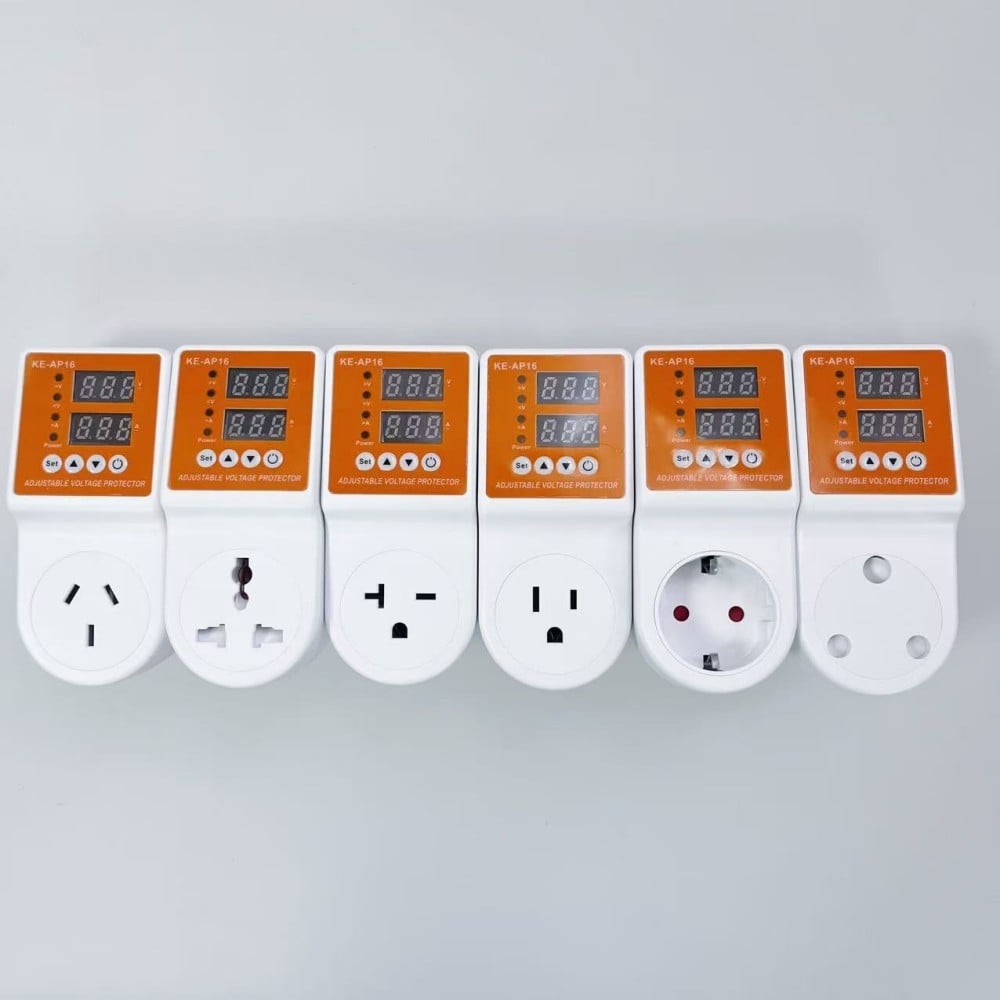
အကယ်၍ ကာကွယ်ရန်လိုအပ်သည့် ပစ္စည်းများသည် အရေးကြီးသော ရင်းနှီးမှုအရ တန်ဖိုးမြင့်မှုရှိပါက အလွန်များပေါ်နှင့် အလွန်နိမ့်သော ဗို့အားကာကွယ်ရေးအတွက် အကြောင်းပြချက်များသည် ပိုမိုအားကောင်းလာပါသည်။ စက်မှုလုပ်ငန်းဆိုင်ရာ မော်တာများ၊ HVAC စနစ်များ၊ ဆေးဘက်ဆိုင်ရာ ပုံရှုပ်မှုဖော်ပြမှုကိရိယာများ၊ ဒေတာစင်တာအိုင်တီပစ္စည်းများနှင့် တိကျသော ထုတ်လုပ်မှုကိရိယာများသည် အောက်ပါအတိုင်း အရေးကြီးသော အားနည်းချက်တစ်ခုကို မှီတင်းနေပါသည်။ ၎င်းတို့သည် သတ်မှတ်ထားသော ဗို့အားအကွာအဝေးအတွင်းတွင် အလုပ်လုပ်ရန် ဒီဇိုင်းထုတ်ထားခြင်းဖြစ်ပါသည်။ ထိုအကွာအဝေးကို အနည်းငယ်မျှ ကျော်လွန်သွားပါက စွမ်းဆောင်ရည် ကျဆင်းခြင်း၊ အရေးကြီးသော အသက်တာတိုသွားခြင်းမှ စတင်၍ လုံးဝပြန်လည်မှီတင်းနိုင်သော ပျက်စီးမှုအထိ ဖြစ်ပေါ်လာနိုင်ပါသည်။ အလွန်များပေါ်နှင့် အလွန်နိမ့်သော ဗို့အားကာကွယ်ရေးသည် အဘယ်ကြောင့် အရေးကြီးသည်ကို နားလည်ရန်မှာ လျှပ်စစ်စွမ်းအား မတည်ငြိမ်မှု၏ အမှန်တကယ်သော စုစုပေါင်းစရိတ်နှင့် ထိုမတည်ငြိမ်မှုကို ကာကွယ်ရန် လိုအပ်သည့် အရေးကြီးသော အချက်များကို နားလည်ရန်ဖြစ်ပါသည်။
လျှပ်စစ်ဓာတ်အားပေး voltage သည် ကိရိယာ၏ အမည်မပါသော အလုပ်လုပ်မှုအဆင့်ကို ကျော်လွန်သွားသောအခါ overvoltage အခြေအနေများ ဖြစ်ပေါ်သည်။ လျှပ်စစ်မီးခိုးရောင်၊ capacitor bank switch switch, utilities တွေရဲ့ load shedding, ဒါမှမဟုတ် trafo ရေပိုက်တွေ ပျက်စီးတဲ့အခါမှာ ဖြစ်နိုင်ပါတယ်။ စက်ပစ္စည်းတွေကို လျှပ်စစ်လျှပ်စစ်တိုးလာတဲ့အခါ ချက်ချင်း သက်ရောက်မှုက လျှပ်စစ်ဓာတ်အားတိုးလာပြီး ဒါက အပတ်အိတ်တွေ၊ ပတ်လမ်းပြားတွေနဲ့ အကာအကွယ်ပစ္စည်းတွေအတွင်းက အပူထုတ်လုပ်မှုအဖြစ် တိုက်ရိုက် ဘာသာပြန်ပါတယ်။
မော်တာများအတွက် ဗို့အားများခြင်းသည် အွန်ဆူလေးရှင်းပစ္စည်းများ၏ အရည်အသွေးကျဆင်းမှုကို အရှိန်မြင့်ပေးပါသည်။ အီလက်ထရွန်နစ် ထိန်းချုပ်ဘုတ်များအတွက် အီလက်ထရွန်နစ် အစိတ်အပိုင်းများ ချက်ချင်းပျက်စီးသွားစေနိုင်ပါသည်။ အိမ်သုံးပစ္စည်းများနှင့် စီးပွားရေးအသုံးပြုပစ္စည်းများအတွက် ဗို့အားများခြင်းကို ထပ်ခါထပ်ခါ ဖော်ထုတ်မှုသည် အသုံးပြုနိုင်သည့် ကာလကို သိသိသာသာ တိုတောက်စေပြီး ထုတ်လုပ်သူများ၏ အာမခံချက်များကို မှုန်းမောင်းပေးလေ့ရှိပါသည်။ ပျက်စီးမှုသည် တစ်ခါတစ်ရံ ချက်ချင်းဖြစ်ပေါ်ပြီး ပြင်ဆင်ရန်မှုခက်ခဲသော အခြေအနေများဖြစ်ပါသည်။ သို့သော် အများအားဖြင့် ပျက်စီးမှုသည် စုစုပေါင်းဖြစ်ပါသည်။ အချိန်ကြာမြင့်စွာကြာပါက သင့်ရင်းနှီးမှု၏ အသုံးပြုနိုင်သည့် ကာလကို ဖျော့ဖျောင့်ချိန်းနေပါသည်။
အင်ပါဝါဖိအား အလွန်များခြင်း သို့မဟုတ် အလွန်နည်းခြင်းကြောင့် ပိုမိုမှန်ကန်စွာ ကာကွယ်ရန်အတွက် စနစ်သည် လာရောက်သည့် ပေးပို့မှုဖိအားကို အဆက်မပါး စောင်းကြည့်လျက် ဖိအားသည် လုံခြုံသည့် အများဆုံး အနက်အထိ မျှော်မှန်းထားသည့် အတိုင်းအတာကို ကျော်လွန်သည့် အချိန်တွင် ချက်ချင်းပဲ လော့ဒ်ကို ဖုံးကွယ်ပေးပါသည်။ ဤအလိုအလျောက် ဖုံးကွယ်မှုသည် ပူပိုင်းနှင့် လျှပ်စစ်ပိုင်းဆိုင်ရာ ပျက်စီးမှုများကို ဖြစ်စေသည့် အချိန်ကြာမှုကို ကာကွယ်ပေးပါသည်။ ထို့ကြောင့် စက်ပစ္စည်းများအတွက် အရည်အသွေးမှုန်းသည့် ပါဝါအတွက် အဖြစ်များသည့် အန္တရာယ်များထဲမှ တစ်ခုကို အမှန်တကယ် ကာကွယ်ပေးနိုင်ပါသည်။
ဖိအားနည်းခြင်း (အများအားဖြင့် ဘရောင်အော့အ် ဟု ခေါ်ကြသည်) သည် အလွန်များခြင်းနှင့် အတူတူပင် ပျက်စီးမှုများကို ဖြစ်စေပါသည်။ အချို့သော အခြေအနေများတွင် ပိုမိုအန္တရာယ်များပါသည်။ အဘယ်ကြောင့်ဆိုသည်မျှင် စက်ပစ္စည်းများသည် လုံလောက်သည့် ပါဝါမရှိသည့် အခြေအနေတွင် အလုပ်လုပ်နေသည့် အတိုင်း အလုပ်လုပ်နေပါသည်။ ဖိအားနည်းသည့် အခြေအနေတွင် အလုပ်လုပ်ရန် အတိုင်းအတာထက် ပိုများသည့် လျှပ်စစ်စီးကြောင်းကို မော်တာများသည် အားကောင်းစေရန် အတိုင်းအတာထက် ပိုများသည့် လျှပ်စစ်စီးကြောင်းကို စုပ်ယူပါသည်။ ထိုအချိန်တွင် မော်တာ၏ ဝိုင်ယာများသည် ပူပွေးလာပါသည်။ နောက်ဆုံးတွင် မော်တာသည် ပျက်စီးသည့် အထိ ဖြစ်ပါသည်။ ဤသည်မှုသည် စက်မှုနှင့် ကုန်းသိုလှောင်ရေး ပတ်ဝန်းကျင်များတွင် မော်တာများ အရင်တွင် ပျက်စီးခြင်း၏ အဖြစ်များသည့် အကြောင်းရင်းများထဲမှ တစ်ခုဖြစ်ပါသည်။
ရေခဲသိုလှောင်စနစ်များနှင့် HVAC စနစ်များတွင် ကြိမ်နှုန်းနိမ့်ခြင်း (undervoltage) ကြောင့် ကြိမ်နှုန်းဖော်မော် (compressor) များသည် အထူးသဖြင့် ထိခိုက်လွယ်ပါသည်။ ဗို့အားနိမ့်ခြင်းကြောင့် ဤယူနစ်များသည် စတင်မောင်းနေခြင်းနှင့် အချိန်ကြာမောင်းနေခြင်းအတွင်း အထူးခဲယောင်းမှုကို ခံစားရပြီး ကြိမ်နှုန်းဖော်မော်၏ အစိတ်အပိုင်းများပေါ်တွင် အလွန်ကြီးမားသော ယူနီတီများ (mechanical stress) ကို ဖော်ပေးပါသည်။ ဒေတာစင်တာများနှင့် ဆာဗာအခန်းများတွင် ဗို့အားနိမ့်ခြင်းကြောင့် မျှော်လင့်မထားသော ပိတ်သောအခြေအနေများ၊ ဒေတာများ ပျက်စီးခြင်းနှင့် ဗို့အားနိမ့်သောအခြေအနေများတွင် အချိန်ကြာစွာ အလုပ်လုပ်ရန် ဒီဇိုင်းမထုတ်ထားသော ပါဝါဖော်မော်ယူနစ်များ ပျက်စီးခြင်းများ ဖြစ်ပေါ်လာနိုင်ပါသည်။
ထိရောက်သော ဗို့အားများ အလွန်များခြင်းနှင့် နိမ့်ခြင်းကို ကာကွယ်ရေးစနစ်များသည် ဗို့အားနိမ့်ခြင်းကို အလိုအလျောက် လုပ်ဆောင်သည့် တူညီသော ယေဘုယျ အယ်လ်ဂေါရီသမ် (automatic logic) ဖြင့် ဖြေရှင်းပေးပါသည်။ ဗို့အားသည် သတ်မှတ်ထားသော အနိမ့်ဆုံး အချိန်သတ်မှတ်ချက် (lower threshold) အောက်သို့ ကျဆင်းသောအခါ ကိရိယာသည် လော့ဒ်ကို ဖုန်းခေါ်မှုဖြင့် ဖော်ပေးပြီး ဗို့အား တည်ငြိမ်မှုရှိသည့်အထိ စောင်းပေးပါသည်။ ထို့နောက် ပြန်လည်ချိတ်ဆက်ခွင့်ပေးပါသည်။ ဤရိုးရှင်းသော သို့သော် အင်အားကြီးသော စနစ်သည် ကိရိယာများကို အလုပ်လုပ်ရှိနေစေရန် အလွန်အမင်း ပျက်စီးစေသည့် အခြေအနေများတွင် အလုပ်လုပ်ခြင်းကို ကာကွယ်ပေးပါသည်။
အလွန်အမင်း ဗို့အား ကာကွယ်ရေး၏ တစ်ခုသော အရေးကြီးသော အချက်များဖြစ်သည့် ပြန်လည် ချိတ်ဆက်မှု နှောင့်နှေးမှု လုပ်ဆောင်ချက်ကို မကြာခဏ လျစ်လျူရှုမိကြသည်။ ဗို့အား အခြေအနေမှာ ပုံမှန်အတိုင်း ပြန်လည် ပေါ်ပေါက်လာပြီး လျှပ်စစ် ပေးပို့မှု ပုံမှန်အတိုင်း ပြန်လည် ရရှိသည့်အခါ ဘောင်းလုံးကို ချက်ချင်း ပြန်လည် ချိတ်ဆက်ခြင်းသည်ပင် ပြဿနာဖော်ပေးနိုင်သည်။ အထူးသဖြင့် ပေးပို့မှု စနစ်တွင် အပ်စ်အမှား ဖြစ်ပွားပြီးနောက် အချိန်အနည်းငယ်အတွင်း လျှပ်စစ် ဗို့အားသည် မတည်မင်းဖြစ်ပြီး ပုံမှန်နှင့် မပုံမှန် အဆင့်များကြား တုန်ခါမှုများ ဖြစ်ပေါ်လေ့ရှိသည်။
အရည်အသွေးကောင်းမွန်သော အလွန်အမင်း ဗို့အား ကာကွယ်ရေး ကိရိယာတွင် ပြန်လည် ချိတ်ဆက်မှုမှီ အချိန်နှောင့်နှေးမှု အချိန်ကို ချိန်ညှိနိုင်သည့် လုပ်ဆောင်ချက် ပါဝင်သည်။ ဤအချိန်နှောင့်နှေးမှုသည် အသုံးပြုမှု လိုအပ်ချက်များပေါ်မူတည်၍ စက္ကန်းအနည်းငယ်မှ မိနစ်အနည်းငယ်အထိ ရှိနိုင်ပြီး ကာကွယ်ထားသည့် စက်ကိရိယာများကို ပြန်လည် လျှပ်စစ် စွမ်းအားဖေးမှု ပေးမှုမှီ ဗို့အားသည် တည်ငြိမ်ပြီး လျော်ကန်သော အတိုင်းအတာများအတွင်း ရှိကြောင်း အာမခံပေးသည်။ ကုမ္ပဏီများ၊ မော်တော်မောင်းများနှင့် အအေးခံစနစ်များအတွက် ဤအချိန်နှောင့်နှေးမှုသည် အထူးအရေးကြီးပါသည်။ အဘယ်ကြောင့်ဆိုသော် မတည်ငြိမ်သော လျှပ်စစ် ပေးပို့မှုအောက်တွင် အလွန်မှုန်းမှုဖြင့် ပြန်လည် စတင်ခြင်းသည် စတင်မှုအချိန်တွင် ယန္တရားဆိုင်ရာ ပျက်စီးမှုများကို ဖော်ပေးနိုင်သောကြောင့်ဖြစ်သည်။
နေ့စဉ် ၂၄ နာရီ အချိန်ပေး၍ စက်ပစ္စည်းများကို လည်ပတ်နေသည့် လုပုပ်ငန်းများအတွက် ပြန်လည်ချိတ်ဆက်မှု နှေးကွေးမှု ယန္တရားသည်လည်း လုပ်ဆောင်မှု အဆက်မပြတ်ဖြစ်စေရန် ထောက်ပံ့ပေးပါသည်။ ဗို့အား ဖောက်ပြန်မှုတိုင်းအတွက် လူသားများ၏ လက်တွေ့ စွက်သွင်းမှုကို လိုအပ်ခြင်းမရှိဘဲ ကာကွယ်ရေး ကိရိယာသည် အဆင့်သမ်းတစ်ခုလုံးကို အလိုအလျောက် စီမံဆောင်ရွက်ပါသည်— အဖောက်ပါသည့် အချိန်တွင် ချိတ်ဆက်မှု ဖြတ်တောက်ခြင်း၊ ပြန်လည်ပေးပ်သည့်အထိ စောင်းကြည့်ခြင်း၊ နှေးကွေးမှုကာလအတွင်း စောင်းကြည့်ခြင်းနှင့် အခြေအနေများ လုံခြုံသည့်အခါ ပြန်လည်ချိတ်ဆက်ခြင်း။ ဤသို့ဖြင့် စက်ပစ္စည်းများ အသုံးမဝင်သည့် အချိန်ကို လျော့နည်းစေပြီး လျှပ်စစ်စွမ်းအား အရည်အသွေးကို အမြဲတမ်း လူသားများက စောင်းကြည့်ရန် လိုအပ်မှုကို ဖျက်သိမ်းပေးပါသည်။
အားလုံးသော စက်ပစ္စည်းများသည် ဗို့အား သည်းခံနိုင်မှု တူညီခြင်းမရှိပါ။ အားကောင်းသည့် အလွန်အမင့်/အနက်အမင့် ဗို့အားကာကွယ်ရေး ဖြေရှင်းနည်းသည် အထက်နှင့် အောက် ဗို့အား ချိန်ညှိမှုများကို ညှိနိုင်ရန် ပေးပါသည်။ ထိုသို့ဖြင့် ချိတ်ဆက်ထားသည့် စက်ပစ္စည်း၏ အထူးသည်းခံနိုင်မှုအလိုက် ကာကွယ်ရေး စံနှုန်းများကို ညှိနိုင်ပါသည်။ စက်မှု မော်တော်များသည် အတိကျသည့် အီလက်ထရွန်နစ် ကိရိယာများထက် ဗို့အား အကျယ်ပေးသည့် အတိုင်းအတာကို သည်းခံနိုင်ပါသည်။ ဆေးဘက်ဆိုင်ရာ စက်ပစ္စည်းများသည် ယေဘုယျ ကုန်းပိုင်း အသုံးအဆောင်များထက် ပိုမိုတင်းကျပ်သည့် သည်းခံနိုင်မှု လိုအပ်ချက်များ ရှိပါသည်။
ချိန်ညှိနိုင်သော ခြုံငုံမှု အဆင့်သတ်မှတ်ချက်များသည် စက်ပစ္စည်းများ၏ လက်တွေ့ လုပ်ဆောင်မှု သတ်မှတ်ချက်များနှင့် ကိုက်ညီသော ကာကွယ်ရေးကို စနစ်ချဲ့ထွင်ပေးရှားမှုများနှင့် အင်ဂျင်နီယာများအား ဖော်ပေးပါသည်။ ထို့အတွက် စက်ရုံမှ အသုံးပြုသည့် ယေဘုယျ အသိအမှတ်ပြုမှုများကို အားကိုးရန် မလိုအပ်ပါ။ ထို အသိအမှတ်ပြုမှုများကို တိကျစွာ စနစ်ချဲ့ထွင်ခြင်းဖြင့် ဗို့အား ပုံမှန် ပြောင်းလဲမှုများကြောင့် အကြောင်းမဲ့ အက်က်သော အက်က်သော အက်က်သော အက်က်သော အက်က်သော အက်က်သော အက်က်သော အက်က်သော အက်က်သော အက်က်သော အက်က်သော အက်က်သော အက်က်သော အက်က်သော အက်က်သော အက်က်သော အက်က်သော အက်က်သော အက်က်သော အက်က်သော အက်က်သော အက်က်သော အက်က်သော အက်က်သော အက်က်သော အက်က်သော အက်က်သော အက်က်သော အက်က်သော အက်က်သော အက်က်သော အက်က်သော အက်က်သော အက်က်သော အက်က်သော အက်က်သော အက်က်သော အက်က်သော အက်က်သော အက်က်သော ......
ရှင်းလင်းစွာ ဖတ်ရှုနိုင်သော ဗို့အားပြသမှုများပါဝင်သည့် အထက်/အောက် ဗို့အား ကာကွယ်ရေး ကိရိယာများသည် လုပ်ဆောင်မှုအတွက် အပိုအကောင်းများကို ပေးပါသည်။ ထိုကိရိယာများသည် ထောက်ပံ့ရေး ဗို့အားအခြေအနေများကို အချိန်နှင့်တစ်ပါက် မှတ်သားပေးပါသည်။ ထို့ကြောင့် ပြဿနာများ ပိုမိုဆိုးရွားလာမှုမှ ကာကွယ်ရန် ထိန်းသိမ်းမှုအဖွဲ့များအား ကြိုတင် အဆောက်အအုံဆောင်ရွက်မှုများကို ဆောင်ရွက်နိုင်စေပါသည်။ ထို စောင်းကြည့်မှုလုပ်ဆောင်ချက်သည် ကာကွယ်ရေးကို အောက်ပါအတိုင်း အောက်ပါအတိုင်း အောက်ပါအတိုင်း အောက်ပါအတိုင်း အောက်ပါအတိုင်း အောက်ပါအတိုင်း အောက်ပါအတိုင်း အောက်ပါအတိုင်း အောက်ပါအတိုင်း အောက်ပါအတိုင်း အောက်ပါအတိုင်း အောက်ပါအတိုင်း အောက်ပါအတိုင်း အောက်ပါအတိုင်း အောက်ပါအတိုင်း အောက်ပါအတိုင်း အောက်ပါအတိုင်း အောက်ပါအတိုင်း အောက်ပါအတိုင်း အောက်ပါအတိုင်း အောက်ပါအတိုင်း အောက်ပါအတိုင်း အောက်......
ထုတ်လုပ်မှုပတ်ဝန်းကျင်များတွင် ထုတ်လုပ်ရေးစက်မှုပစ္စည်းများသည် အရှိန်အဟုန်များစွာသုံးစွဲရသည့် ရင်းနှီးမြှုပ်နှံမှုဖြစ်ပြီး ဆက်လက်၍ ယုံကြည်စိတ်ချရသော လုပ်ဆောင်မှုများဖြင့် ဝင်ငွေရရှိပါသည်။ CNC စက်များ၊ ထုတ်လုပ်မှုအတွက် ပုံသေဖော်မှုစက်များ၊ အလိုအလျောက် ပို့ဆောင်ရေးစနစ်များနှင့် စက်မှုအသုံးပြု ရိုဘော့စက်များသည် တိကျမှုနှင့် တည်ငြိမ်မှုကို ထိန်းသိမ်းရန် အားကောင်းသော ဗို့အားပေးစနစ်ပေါ်တွင် အခြေခံပါသည်။ ဗို့အားပြောင်းလဲမှုကြောင့် ထုတ်လုပ်မှုဖြစ်စဉ်အတောအတွင်း ထိန်းချုပ်မှုမရှိသော အိုင်အိုဖ်ဖ်ဖြစ်ပါက လုပ်ဆောင်နေသည့် ပစ္စည်းများ ပျက်စီးသွားနိုင်ပါသည်။ ကိရိယာများ မှုန်းခြင်းဖြစ်ပါက ထုတ်လုပ်မှုပြန်လည်စတင်ရန် စုံစမ်းပြုပြင်မှုများကို စုံစမ်းပြုပြင်ရန် စုံစမ်းပြုပြင်မှုများကို ပြုလုပ်ရန် လုပ်ငန်းခွင်အတွင်း အချိန်နှင့် ငွေကုန်ကုန်ကျမှုများ များပါသည်။
စက်ပစ္စည်းအဆင့်တွင် အသုံးပြုသော ဗို့အားများ အလွန်အကျွံ (သို့) အလွန်နိမ့်ကျခြင်းကို ကာကွယ်ရေးစနစ်သည် စက်ရုံအဆင့်တွင် လျှပ်စစ်စွမ်းအား ပုံစံပေးခြင်းစနစ်များကို ဖြည့်စွက်ပေးသည့် ကာကွယ်ရေးအလွှာတစ်ခုဖြစ်သည်။ ဗို့အားထိန်းညှိမှုစနစ်များ တပ်ဆင်ထားသည့် စက်ရုံများတွင်ပါ အထူးသဖြင့် အရွယ်အစားကြီးမားသော စက်မှုကိရိယာများနှင့် နောက်ဆုံးချိတ်ဆက်မှုနေရာတွင် မှုန်းမှုန်းခြင်းမှ ကာကွယ်ရေးစနစ်ကို အထူးတန်ဖိုးထား အသုံးပြုကြသည်။ ဤနောက်ဆုံးမိုင်လေးမှု ကာကွယ်ရေး ဒဿနသည် စက်ပစ္စည်းအစားထိုးမှုစရိတ်များ မြင့်မားသည့် ခေတ်မှီ ထုတ်လုပ်မှုစက်ရုံများတွင် အသုံးများလာသည့် စံသတ်မှတ်ချက်ဖြစ်လာပါသည်။
စက်မှုလုပ်ဖော်ကိုင်ဖက်များသည် အတွင်းပိုင်းမှ ဗို့အား အဟောင်းအသစ်များနှင့်လည်း ရင်ဆိုင်နေရသည်။ ဥပမါ- အရွယ်အစားကြီးမားသော မော်တော်များ စတင်လောင်စေခြင်း၊ ချော်ချော်ကြေးချော်ချော် အသုံးပြုခြင်း သို့မဟုတ် ပြောင်းလဲနိုင်သော မော်တော်အမြှုန်အော်ပါရှင်များ အသုံးပြုခြင်းများဖြစ်သည်။ ဤအတွင်းပိုင်းမှ ဖြစ်ပေါ်လာသည့် ဗို့အားအဟောင်းအသစ်များသည် မျှဝေသုံးသည့် စွမ်းအားလိုင်းများမှတစ်ဆင့် ပျံနှံ့သွားပြီး တူညီသည့် လျှပ်စစ်ဖ distribution panel ပေါ်တွင် တပ်ဆင်ထားသည့် အခြားစက်ပစ္စည်းများကို ထိခိုက်စေနိုင်သည်။ တစ်ခုချင်းစီသော စက်ပစ္စည်းများတွင် ဗို့အားများ အလွန်အကျွံ (သို့) အလွန်နိမ့်ကျခြင်းကို ကာကွယ်ရေးစနစ်များ တပ်ဆင်ပေးခြင်းဖြင့် လိုင်းအဆင့်တွင် ခွဲထုတ်မှုကို ပေးနိုင်ပြီး ဤအဟောင်းအသစ်များမှ စက်ပစ္စည်းများအပေါ် အဆက်မှုဖြစ်စေသည့် ပြဿနာများကို ကာကွယ်ပေးနိုင်သည်။
ကုန်းပိုင်းနှင့် ဧည့်သည်များအတွက် ဝန်ဆောင်မှုပေးသည့် ပတ်ဝန်းကျင်များတွင် ရေခဲသိုလှောင်ရေးစက်ကိရိယာများ၊ ကုန်းပိုင်းအသုံးပြုသည့် မီးဖိုခေါင်းပစ္စည်းများ၊ HVAC စနစ်များနှင့် ဖန်သွေးစက်ပစ္စည်းများသည် အရေးကြီးသော ရင်းနှီးမှုများဖြစ်ပါသည်။ အသက်များပါသော လျှပ်စစ်ဓာတ်အားဖြန့်ဖြူးရေးစနစ်များ သို့မဟုတ် လျှပ်စစ်စနစ်များ မလ sufficiently ဖြစ်သည့် အဆောက်အဦများရှိသည့် ဒေသများတွင် ဗို့အားမတည်ငြိမ်မှုသည် ဤစက်ကိရိယာများအတွက် အမြဲတမ်း ခြိမ်းခြောက်မှုဖြစ်ပါသည်။ ဗို့အားများ အလွန်များခြင်း သို့မဟုတ် အလွန်နည်းခြင်းကို ကာကွယ်ပေးသည့် စနစ်သည် လျှပ်စစ်စနစ်ကို အပြည့်အဝ ပြောင်းလဲခြင်းမလိုဘဲ လက်တွေ့ကျပြီး စုံစမ်းနိုင်သော စုံစမ်းနိုင်သော ဖြေရှင်းနည်းဖြစ်ပါသည်။
ကျန်းမာရေးစင်တာများသည် ပိုမိုမြင့်မားသော စက်ပစ္စည်းများကို ကာကွယ်ရန် စံနှုန်းများကို လိုက်နာရပါသည်။ ရောဂါရှာဖွေရေး ဓာတ်ပုံရိုက်စက်များ၊ လူနာစောင်းကြည့်စက်များ၊ အာဟာရထေးသွင်းစက်များနှင့် စမ်းသပ်ခန်းဆိုင်ရာ စစ်ဆေးရေးစက်များ အပါအဝင် ဆေးဘက်ဆိုင်ရာ ကိရိယာများသည် ပိုမိုတင်းကျပ်သော စည်းမျဉ်းစည်းကမ်းများအောက်တွင် လုပ်ဆောင်ပါသည်။ ထို့အပါအဝင် ဤကိရိယာများသည် ဆေးကုသမှုဆိုင်ရာ အရင်းအမြစ်များဖြစ်ပြီး အစားထိုး၍မရနိုင်ပါသည်။ ဆေးကုသမှုနေရာတွင် ဗို့အားကြောင့် စက်ပစ္စည်းများ ပျက်စေခြင်းသည် ငွေကုန်ကုန်ကျမှုသာမက လူနာများ၏ လုံခြုံရေးကိုပါ ထိခိုက်စေနိုင်ပါသည်။ စက်ပစ္စည်းအဆင့်တွင် ဗို့အားများ အလွန်များခြင်း သို့မဟုတ် အလွန်နည်းခြင်းကို ကာကွယ်ပေးသည့် စနစ်များသည် UPS စနစ်များနှင့် ထိန်းညှိထားသော ပါဝါပေးစက်များအပါအဝင် အရေးကြီးသော အပိုအကာအကွယ်များဖြစ်ပါသည်။
အိမ်တွင် ရုံးလုပုပ်သမ်းများနှင့် သေးငယ်သော စီးပွားရေးလုပ်ငန်းများတွင်ပါ အထူးသဖြင့် အရေးကြီးသော အီလက်ထရွန်နစ်ပစ္စည်းများ (ပရော်ဖက်ရှင်နယ် အလုပ်ခွင်များ၊ ကွန်ရက်ပစ္စည်းများ၊ အသံနှင့် ဗီဒီယိုစနစ်များ၊ အိမ်သုံးပစ္စည်းများ) အပေါ် မျော်လင့်ချက်များ တိုးမြင့်လာခြင်းကြောင့် ဗို့အားများ အလွန်များခြင်း သို့မဟုတ် အလွန်နည်းခြင်းများမှ ကာကွယ်ရန် ကောင်းမွန်သော ကာကွယ်ရေးကိရိယာများ ရင်းနှီးမှုတစ်ခု ဖြစ်လာပါသည်။ အရည်အသွေးကောင်းမွန်သော ကာကွယ်ရေးကိရိယာတစ်ခု၏ စုစုပေါင်းစုစုပေါင်းစုစုပေါင်းစုစုပေါင်းစုစုပေါင်းစုစုပေါင်းစုစုပေါင်းစုစုပေါင်းစုစုပေါင်းစုစုပေါင်းစုစုပေါင်းစုစုပေါင်းစုစုပေါင်းစုစုပေါင်းစုစုပေါင်းစုစုပေါင်းစုစုပေါင်းစုစုပေါင်းစုစုပေါင်းစုစုပေါင်းစုစုပေါင်းစုစုပေါင်းစုစုပေါင်းစုစုပေါင်းစုစုပေါင်းစုစုပေါင်းစုစုပေါင်းစုစုပေါင်းစုစုပေါင်းစုစုပေါင်းစုစုပေါင်းစုစုပေါင်းစုစ......
အရေးကြီးသော ပစ္စည်းများအတွက် ဗို့အားများ အလွန်များခြင်း သို့မဟုတ် အလွန်နည်းခြင်းမှ ကာကွယ်ရေးကိရိယာကို ရွေးချယ်သည့်အခါ လက်ရှိအားသည် အရေးအကြီးဆုံး နည်းပညာဆိုင်ရာ အထူးသတ်မှတ်ချက်ဖြစ်ပါသည်။ ဤကိရိယာသည် ချိတ်ဆက်ထားသော ပစ္စည်းများ၏ အပြည့်အဝ လုပ်ဆောင်မှု လက်ရှိအားကို အားလုံးသော လုပ်ဆောင်မှုအခြေအနေများတွင် ကိုင်တွယ်နိုင်ရန် အဆင့်သတ်မှတ်ထားရပါမည်။ ထိုအတွင်းတွင် မော်တော်များနှင့် ကုမ္ပဏီများ၏ စတေးဒီစ်တိုင်း လုပ်ဆောင်မှုလက်ရှိအားထက် အဆ များစွာ ပိုများသော စတာတ်အပ် လက်ရှိအားများကိုပါ ထည့်သွင်းစဉ်းစားရပါမည်။ အရေးကြီးသော ကာကွယ်ရေးကိရိယာကို အလွန်သေးငယ်စွာ ရွေးချယ်မှုသည် ကိရိယာကို ကိုယ်တိုင် ပျက်စေနိုင်သော အချက်တစ်ခု ဖြစ်လာနိုင်ပါသည်။
ဗို့အား စစ်ဆေးမှု၏ တိကျမှုနှင့် တုံ့ပြန်မှုအမြန်နှုန်းသည် အတူတူပင် အရေးကြီးပါသည်။ ဗို့အားအနိမ့်/အမြင့်ကာကွယ်ရေးကိရိယာများသည် ဗို့အား အခြေအနေမှန်မဟုတ်မှုကို တုံ့ပြန်ရာတွင် အမြန်နှုန်းများ ကွဲပါသည်။ အမြန်နှုန်းမြင့်မှုသည် ချိတ်ဆက်ထားသော စက်ပစ္စည်းများကို ပျက်စီးစေနိုင်သည့် အခြေအနေများအောက်တွင် ဖော်ပြပေးသည့် အချိန်ကို လျော့နည်းစေပါသည်။ အထူးသဖြင့် အာရုံခံစက်ပစ္စည်းများအတွက် မိလီစက္ကန်ဒ်အတွင်း တုံ့ပြန်မှုအမြန်နှုန်းသည် စက္ကန်ဒ်အတွင်း တုံ့ပြန်မှုအမြန်နှုန်းထက် ပိုမိုကောင်းမွန်ပါသည်။ အသုံးပြုသည့် နည်းပညာစာရင်းတွင် စစ်ဆေးမှုတိကျမှုနှင့် အလုပ်လုပ်ခြင်းအမြန်နှုန်း (trip response time) နှစ်မျိုးလုံးကို ဖော်ပြထားသည့် ကိရိယာများကို ရှာဖွေပါ။
လုပ်ဆောင်နေသည့် ဗို့အားအတိုင်းအတာနှင့် ပလပ်ချိတ်ဆက်မှု သ совместимостьသည် ကိရိယာသည် ရည်ရွယ်ထားသည့် တပ်ဆင်မှုပတ်ဝန်းကျင်အတွက် သင့်တော်မှုရှိမှုကို သေချာစေရန်အတွက် အရေးကြီးပါသည်။ အမေရိကန်ဈေးကွက်အတွက် အသုံးပြုရန်အတွက် အမေရိကန်ပုံစံ ပလပ်များနှင့် ကိုက်ညီပြီး 110V မှ 120V အထိ တစ်လေးထောင် ဗို့အားဖော်ပေးနိုင်သည့် အဆင်ပေးကိရိယာများသည် လက်ရှိရှိသည့် လျှပ်စစ်အခြေခံအဆောက်အအိမ်များကို မှုန်းမှုမရှိဘဲ အလွ easily တပ်ဆင်နိုင်သည့် အဖြေဖော်ပေးပါသည်။
ဗို့အားအလွန်များခြင်းနှင့် အလွန်နည်းခြင်းကို ကာကွယ်ရေးစနစ်သည် ကာကွယ်ရန် လိုအပ်သည့် စက်ပစ္စည်းများနှင့် အနီးစပ်ဆုံးတွင် တပ်ဆင်ပါက အကောင်အထည်ဖော်ရေးအတွက် အကောင်အထည်ဖော်ရေး အကောင်အထည်ဖော်ရေး အကောင်အထည်ဖော်ရေး အကောင်အထည်ဖော်ရေး အကောင်အထည်ဖော်ရေး အကောင်အထည်ဖော်ရေး အကောင်အထည်ဖော်ရေး အကောင်အထည်ဖော်ရေး အကောင်အထည်ဖော်ရေး အကောင်အထည်ဖော်ရေး အကောင်အထည်ဖော်ရေး အကောင်အထည်ဖော်ရေး အကောင်အထည်ဖော်ရေး အကောင်အထည်ဖော်ရေး အကောင်အထည်ဖော်ရေး အကောင်အထည်ဖော်ရေး အကောင်အထည်ဖော်ရေး အကောင်အထည်ဖော်ရေး အကောင်အထည်ဖော်ရေး အကောင်အထည်ဖော်ရေ...... အထွက်တွင် တပ်ဆင်ထားသည့် ကာကွယ်ရေးစက်သည် တစ်ခုတည်းသော လုပ်ဖော်ကို ကာကွယ်ပေးပါသည်။ ထို့အပြင် တူညီသည့် စွမ်းအင်ပေးစနစ်တွင် တူညီသည့် စွမ်းအင်ပေးစနစ်တွင် တူညီသည့် စွမ်းအင်ပေးစနစ်တွင် တူညီသည့် စွမ်းအင်ပေးစနစ်တွင် တူညီသည့် စွမ်းအင်ပေးစနစ်တွင် တူညီသည့် စွမ်းအင်ပေးစနစ်တွင် တူညီသည့် စွမ်းအင်ပေးစနစ်တွင် တူညီသည့် စွမ်းအင်ပေးစနစ်တွင် တူညီသည့် စွမ်းအင်ပေးစနစ်တွင် တူညီသည့် စွမ်းအင်ပေးစနစ်တွင် တူညီသည့် စွမ်းအင်ပေးစနစ်တွင် တူညီသည့် စွမ်းအင်ပေးစနစ်တွင် တူညီသည့် စွမ...... အခြားသည့် စက်ပစ္စည်းများကို ထိခိုက်မှုဖြစ်စေနိုင်သည့် အလွန်အမင်း အိုင်အိုဖ်ဖ်ဖြစ်မှုများကို ရှောင်ရှားပါသည်။ ထိုသို့သော အသေးစိတ်တွင် တပ်ဆင်မှုနည်းလမ်းသည် အလွန်တန်ဖိုးကြီးသည့် စက်ပစ္စည်းများအတွက် အထူးသင့်တော်ပါသည်။ အဘယ်ကြောင့်ဆိုသော် ထိုစက်ပစ္စည်းများ အသုံးမှုမရှိခြင်းကြောင့် ကုန်ကျစရိတ်များ များပါသည်။
လက်တွေ့လုပ်ဆောင်မှုများတွင် ထည့်သွင်းတပ်ဆင်ရန် လွယ်ကူမှုသည် အရေးကြီးပါသည်။ ဝိုင်ယာကြိုးများကို ပြောင်းလဲစရာမလိုဘဲ ပလပ်-အင် အခြေခံဖြင့် အလုပ်လုပ်သည့် ကိရိယာများကို လျှပ်စစ်အင်ဂျင်နီယာများ၏ ပါဝင်မှုမလိုဘဲ စက်ရုံဝန်ထမ်းများက ထည့်သွင်းတပ်ဆင်နိုင်ပါသည်။ ထိုသို့ဖြင့် စတင်အသုံးပြုရန် အချိန်နှင့် စရိတ်များကို လျှော့ချနိုင်ပါသည်။ ဗို့အားနှုန်းများနှင့် နှောင့်နှေးမှုအချိန်များကို အထူးပြုထားသည့် ပရိုဂရမ်မ်ရေးသားရန် ကိရိယာများ မလိုဘဲ မြင်သာသည့် ထိန်းချုပ်မှုများဖြင့် ကောင်ဖီဂူရ်ပ်လုပ်နိုင်ခြင်းသည် စတင်အသုံးပြုရန် လုပ်ငန်းစဉ်ကို မြန်ဆန်စေပါသည်။ ထို့အပါအဝင် စက်ပစ္စည်းများ သို့မဟုတ် ပါဝါအခြေအနေများ ပြောင်းလဲလာသည့်အခါ အဆက်မပြတ် ညှိနှိုင်းမှုများကို ရှုပ်ထွေးမှုမရှိဘဲ လွယ်ကူစေပါသည်။
ကာကွယ်ရေးပစ္စည်း၏ ယုံကြည်စိတ်ချရမှုနှင့် အရည်အသွေးမြင့်မှုသည် ကာကွယ်ရေးအဖြေထွက်မှုကို တိုက်ရိုက်သက်ရောက်စေသည့် အချက်များဖြစ်သည်။ လိုအပ်သည့်အချိန်တွင် မဖွင့်သည့် (သို့) မလိုအပ်ဘဲ ဖွင့်သည့် ကာကွယ်ရေးပစ္စည်းသည် ဘေးကင်းရေးနှင့် လုပ်ဆောင်မှုတည်ငြိမ်မှု နှစ်မျှသုံးမှုကို မပေးနိုင်ပါ။ စွမ်းဆောင်ရည်အမျှင်များကို စာရေးမှုဖြင့် ဖော်ပြထားပြီး သက်သေပြနိုင်သည့် ဘေးကင်းရေးအထောက်အထားများရှိသည့် ယုံကြည်စိတ်ချရသည့် ရင်းမြစ်များမှ အလွန်အများကြီး ဗို့အားများကို ကာကွယ်ရေးပစ္စည်းများကို ရွေးချယ်ခြင်းသည် ယုံကြည်မှုရှိစွာဖြင့် ရေရှည်တွင် အသုံးပြုနိုင်ရန် အရေးကြီးသည့် အရေးကြီးသည့် အဆင့်ဖြစ်သည်။
အလွန်အကျွံဗို့အားသည် လျှပ်စီးကြောင်းများ တိုးမြင့်လာခြင်းကြောင့် အပူပိုများစေခြင်းဖြင့် အဓိကအားဖြင့် ပျက်စီးမှုများကို ဖြစ်ပေါ်စေပါသည်။ ထိုအပူပိုများမှုကြောင့် အွန်ဆူးလေးရှိ အွန်ဆူးလေးပေးခြင်း ပျက်စီးခြင်း၊ ဆီမီကွန်ဒတ်တာများ ပျက်စီးခြင်းနှင့် အသက်တာတိုသွားခြင်းတို့ ဖြစ်ပေါ်လာပါသည်။ အနိမ့်အွန်ဆူးလေးသည် စက်ပစ္စည်းများကို ကွဲပြားသောနည်းဖြင့် ပျက်စီးစေပါသည်။ အထူးသဖြင့် မော်တာများနှင့် ကွန်ပရက်ဆာများသည် လျှပ်စီးကြောင်းအား ပိုများစေပြီး လျှပ်စီးအား လုံလောက်စေရန် အားထုတ်ရာတွင် ဝိုင်ယ်များ ပူပွေးလာခြင်းနှင့် ယန္တရားဆိုင်ရာ ဖိအားများ ဖြစ်ပေါ်လာခြင်းတို့ ဖြစ်ပါသည်။ အလွန်အကျွံနှင့် အနိမ့်အွန်ဆူးလေးကာကွယ်ရေးစနစ်သည် အချိန်နှင့်အမျှ အန်တီဖြစ်ပေါ်မှုများကို အန်တီဖြစ်ပေါ်မှုနှုန်းအရ အလိုအလျောက် ချိတ်ဆက်မှုဖျက်သိမ်းခြင်းဖြင့် အထက်ပါ ပျက်စီးမှုနှစ်များကို ကာကွယ်ပေးပါသည်။
မဟုတ်ပါ။ အလွန်အော်ဝာဗို့အားနှင့် အနိမ့်အော်ဝာဗို့အားကာကွယ်ရေးစနစ်များသည် မတူညီသော သို့သော် အချင်းချင်းဖြည့်စွက်ပေးသည့် အခန်းကဏ္ဍများကို ထမ်းဆောင်ပါသည်။ UPS စနစ်သည် လုံးဝပိတ်သွားသည့်အခါတွင် အပိုစွမ်းအားကို ပေးပေးပါသည်။ ထို့ကြောင့် စက်ပစ္စည်းများသည် ဆက်လက်လည်ပတ်နေနိုင်ခြင်း သို့မဟုတ် သင့်လျော်စွာ ပိတ်သွားနိုင်ခြင်းဖြစ်ပါသည်။ အလွန်အော်ဝာဗို့အားနှင့် အနိမ့်အော်ဝာဗို့အားကာကွယ်ရေးစနစ်သည် ဘေးအန္တရာယ်ရှိသည့် ဗို့အားအခြေအနေတွင် စက်ပစ္စည်းများကို ချိတ်ဆက်မှုဖြတ်ပေးပါသည်။ ထို့ကြောင့် ရှည်လျားစွာ အနေအထားမှန်မှန်မဟုတ်သည့် ဗို့အားကြောင့် စက်ပစ္စည်းများ ပျက်စီးခြင်းကို ကာကွယ်ပေးပါသည်။ စုံလင်သည့် ကာကွယ်မှုအတွက် ဤနည်းပညာနှစ်များကို မကြာခဏ တွဲဖက်အသုံးပြုကြပါသည်။ အလွန်အော်ဝာဗို့အားနှင့် အနိမ့်အော်ဝာဗို့အားကာကွယ်ရေးစနစ်သည် ဗို့အားနှုန်းထားများကို စောင်းကြည့်ပေးသည့် လုပ်ဆောင်ချက်ကို ပေးပါသည်။ ထိုလုပ်ဆောင်ချက်ကို UPS စနစ်များသည် ကိုယ်တိုင်တွင် မပေးနိုင်ပါသည်။
ဗို့အား ကန့်သတ်ချက်များကို စက်ပစ္စည်းထုတ်လုပ်သူ၏ သတ်မှတ်ထားသော အလုပ်လုပ်ရန် ဗို့အားအတိုင်းအတာအတိုင်း သတ်မှတ်ရမည်။ ၁၂၀ ဗို့အားဖြင့် အဆင့်သတ်မှတ်ထားသော စက်ပစ္စည်းအများစုအတွက် ၁၃၀ ဗို့အား (အထက်) နှင့် ၁၀၀ ဗို့အား (အောက်) ဟူသော ပုံမှန်အထက်နှင့် အောက် ကန့်သတ်ချက်များသည် ပုံမှန်အားဖြင့် အနည်းငယ်သော အပေါ်အောက် ပြောင်းလဲမှုများကြောင့် မလိုလားအပ်သော အချိန်မှန်မှန် ပိတ်ခြင်းများကို ရှောင်ရှားရန် အကောင်းဆုံး ကာကွယ်မှုကို ပေးစေသည်။ သို့သော် ပိုမိုတိက်မ်းသော အတိုင်းအတာများကို လိုအပ်သော အထူးအားဖြင့် အရေးကြီးသော စက်ပစ္စည်းများအတွက် ပိုမိုကျဉ်းမ်းသော ကန့်သတ်ချက်များ လိုအပ်နိုင်ပါသည်။ စက်ပစ္စည်း၏ အသေးစိတ်အချက်အလက်များကို အမြဲလေ့လာပါ။ အရေးကြီးသော အသုံးပုံအတွက် လျှပ်စစ်အင်ဂျင်နီယာနှင့် အကြံဉာဏ်တောင်းခံရန် အက်ဒ်အက်ဒ်အက်ဒ်အက်ဒ်အက်ဒ်အက်ဒ်အက်ဒ်အက်ဒ်အက်ဒ်အက်ဒ်အက်ဒ်အက်ဒ်အက်ဒ်အက်ဒ်အက်ဒ်အက်ဒ်အက်ဒ်အက်ဒ်အက်ဒ်အက်ဒ်အက်ဒ်အက်ဒ်အက်ဒ်အက်ဒ်အက်ဒ်အက်ဒ်အက်ဒ်အက်ဒ်အက်ဒ်အက်ဒ်အက်ဒ်အက်ဒ်အက်ဒ်အက်ဒ်အက်ဒ်အက်ဒ်အက်ဒ်အက်ဒ်အက်ဒ်အက်ဒ်အက်ဒ်အက်ဒ်အက်ဒ်အက်ဒ်အက်ဒ်အက်ဒ်အက်ဒ်အက်ဒ်အက်ဒ်အက်ဒ်အက်ဒ်အက်ဒ်အက်ဒ်အက်ဒ်အက်ဒ်အက်ဒ်အက်ဒ်အက်ဒ်အက်ဒ်အက်ဒ်အက်ဒ်အက်ဒ်အက်ဒ်အက်ဒ်အက်ဒ်အက်ဒ်အက်ဒ်အက်ဒ်အက်ဒ်အက်ဒ်အက်ဒ်အက်ဒ်အက......
အလွန်အမင်း ဗို့အားနိမ့်ခြင်း သို့မဟုတ် မြင့်ခြင်းကြောင့် ဖြစ်ပေါ်လာသော ကာကွယ်ရေးပစ္စည်းများကို ပုံမှန်စစ်ဆေးပေးရန် လိုအပ်ပါသည်။ အများအားဖြင့် ကုန်းသမ်းနှင့် စက်မှုလုပ်ငန်းများတွင် နှစ်စဥ် တစ်ကြိမ် အနည်းဆုံး စစ်ဆေးပေးရပါမည်။ ထိုစစ်ဆေးမှုများတွင် ချိန်ညှိမှုများ အတိအကျ ထိန်းသိမ်းထားနိုင်ခဲ့ခြင်း၊ ပြသမှုဖတ်ရှုမှုများ တိကျမှန်ကန်ခြင်းနှင့် ဗို့အားအမှားအမှင်များကို အတုအယောင်ဖန်တီးပေးသည့်အခါ ပစ္စည်းများ မှန်ကန်စွာ တုံ့ပြန်နိုင်ခဲ့ခြင်းတို့ကို စစ်ဆေးပေးရပါမည်။ အရေးကြီးသော ဗို့အားမြင့်မှု (voltage surge) တွင် စက်ပစ္စည်းများကို ကာကွယ်ရာတွင် အသုံးပြုခဲ့ဖူးသည့် ပစ္စည်းများကို အစားထိုးရန် အကဲဖြတ်ပေးရန် လိုအပ်ပါသည်။ အကူးအပြောင်းများ ဖြစ်ပေါ်နေသည့် အတွင်းပိုင်း အစိတ်အပိုင်းများသည် ပစ္စည်းသည် အလုပ်လုပ်နေသည့် သို့မဟုတ် အလုပ်လုပ်နေသည့် သွင်ပြင်လက္ခဏာများ ရှိနေသည်ဖြစ်စေကာမျှ ဖိအားကို ခံနေရသည့် အခြေအနေများ ဖြစ်နေနိုင်ပါသည်။

 EN
EN