Electrical systems in modern homes face unprecedented challenges from power fluctuations, voltage spikes, and electrical disturbances that can damage expensive appliances and electronics. A digital voltage protector represents the next generation of electrical protection technology, offering advanced features that traditional surge protectors and voltage stabilizers simply cannot match. Understanding the distinctive characteristics that set digital voltage protectors apart from conventional protection devices is essential for homeowners and businesses seeking comprehensive electrical safety solutions. These sophisticated devices combine real-time monitoring capabilities with intelligent protection algorithms to deliver superior performance in safeguarding valuable electrical equipment.
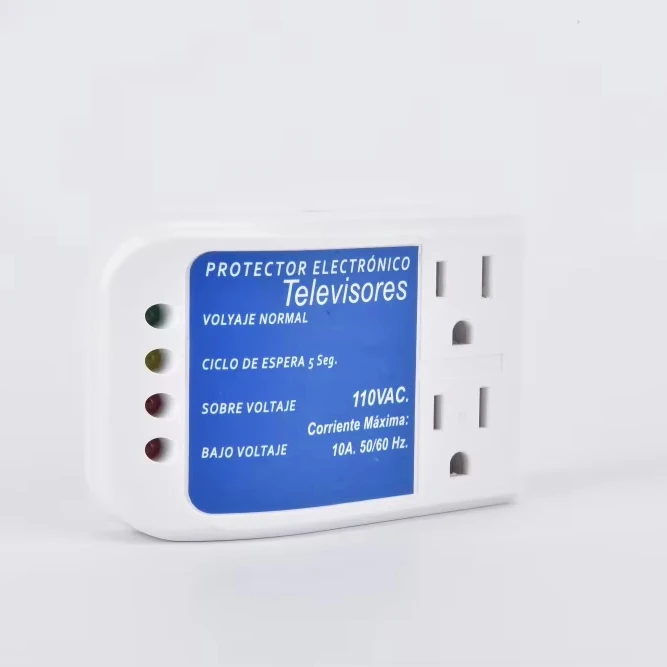
The fundamental difference between digital voltage protectors and traditional protection devices lies in their use of sophisticated microprocessor technology. Digital units incorporate advanced microcontrollers that continuously analyze electrical parameters in real-time, processing thousands of data points per second to make intelligent protection decisions. This technology enables precise voltage monitoring with accuracy levels that far exceed analog alternatives, typically achieving measurement precision within ±1% tolerance ranges. The microprocessor architecture allows for complex algorithmic processing that can distinguish between normal electrical variations and potentially harmful conditions, reducing false trips while maintaining comprehensive protection coverage.
These intelligent control systems feature programmable parameters that can be customized for specific applications and electrical environments. Users can configure voltage thresholds, time delays, and response characteristics to match their particular protection requirements. The digital processing capability enables adaptive learning algorithms that can adjust protection parameters based on historical electrical patterns and environmental conditions, optimizing performance over time for maximum reliability and efficiency.
Digital voltage protectors incorporate comprehensive display systems that provide continuous visual feedback on electrical parameters and system status. LED or LCD displays show real-time voltage readings, current measurements, power consumption data, and operational status indicators that keep users informed about their electrical system's condition. This transparency allows for proactive maintenance and early detection of potential electrical problems before they escalate into costly equipment failures or safety hazards.
The monitoring capabilities extend beyond basic parameter display to include historical data logging and trend analysis features. Advanced models can store electrical event records, track usage patterns, and generate reports that help identify recurring electrical issues or optimization opportunities. This data collection capability proves invaluable for troubleshooting electrical problems and implementing preventive maintenance strategies that extend equipment lifespan and improve overall system reliability.
Unlike conventional surge protectors that rely primarily on metal oxide varistors or gas discharge tubes, digital voltage protectors employ sophisticated multi-stage protection architectures that provide comprehensive coverage against various electrical threats. The first stage typically involves high-speed semiconductor switching that can disconnect protected circuits within microseconds of detecting dangerous conditions. This rapid response capability prevents damage from fast-rising voltage spikes and transients that might bypass slower mechanical protection devices.
The second protection stage often incorporates advanced filtering systems that eliminate electrical noise and harmonics while maintaining clean power delivery to connected equipment. Digital signal processing algorithms can identify and neutralize specific frequency components that cause equipment interference or premature aging. The third stage may include voltage regulation capabilities that maintain stable output voltage despite significant input variations, ensuring consistent power quality for sensitive electronic devices.
Digital voltage protectors utilize pattern recognition technology to distinguish between normal electrical variations and genuine fault conditions. This intelligent analysis capability reduces nuisance tripping that can disrupt normal operations while maintaining vigilant protection against actual threats. The system can learn normal electrical patterns for specific installations and adjust sensitivity accordingly, providing customized protection that balances safety with operational continuity.
Advanced fault recognition algorithms can identify complex electrical phenomena such as voltage sag, swell, frequency variations, and harmonic distortion that might indicate developing problems in the electrical infrastructure. Early detection of these conditions enables proactive responses that prevent equipment damage and extend operational lifespan. The digital voltage protector can also communicate with other smart electrical devices to coordinate system-wide protection strategies and optimize overall electrical system performance.
Digital voltage protectors offer extensive customization options through user-friendly programming interfaces that allow precise configuration of protection parameters. Users can adjust voltage thresholds, time delays, restart sequences, and alarm settings to match specific application requirements and equipment sensitivities. This flexibility enables optimal protection for diverse electrical loads, from sensitive electronics to robust industrial equipment, all within a single protection device.
The programming interface typically includes preset configurations for common applications such as residential, commercial, or industrial use cases, simplifying setup for users who prefer standard settings. Advanced users can access detailed parameter adjustment menus that provide granular control over protection behavior, enabling fine-tuning for specialized applications or unique electrical environments. Software-based configuration tools may be available for complex installations, allowing professional electricians to optimize settings using laptop computers or mobile devices.
Modern digital voltage protectors often incorporate communication interfaces that enable remote monitoring and control capabilities through various protocols such as Wi-Fi, Ethernet, or cellular connections. These communication features allow users to monitor electrical conditions from anywhere, receive instant notifications about power quality issues, and make configuration adjustments without physical access to the protection device. This remote capability proves especially valuable for unmanned facilities, vacation homes, or critical installations where continuous monitoring is essential.
Smart home integration capabilities enable digital voltage protectors to participate in comprehensive home automation systems, coordinating with other smart devices to optimize energy usage and protection strategies. Integration with smartphone applications provides convenient access to real-time data, historical reports, and configuration options through intuitive mobile interfaces. These connectivity features represent a significant advancement over traditional protection devices that operate in isolation without external communication capabilities.
Digital voltage protectors incorporate comprehensive self-diagnostic systems that continuously monitor internal components and operational parameters to detect potential failures before they compromise protection capability. These diagnostic routines test critical circuits, verify calibration accuracy, and assess component degradation that might affect performance over time. Automatic self-testing ensures that protection remains reliable throughout the device's operational lifespan, providing users with confidence in their electrical safety systems.
Predictive maintenance algorithms analyze operational data to forecast component replacement needs and schedule preventive maintenance activities. This proactive approach minimizes unexpected failures and extends overall system reliability while reducing maintenance costs through optimized service scheduling. Status indicators and alarm systems alert users to maintenance requirements, ensuring that protection devices receive appropriate attention before performance degradation occurs.
The internal components of digital voltage protectors benefit from sophisticated protection mechanisms that extend device lifespan and maintain consistent performance. Thermal management systems monitor component temperatures and implement cooling strategies to prevent overheating damage. Overvoltage protection circuits safeguard sensitive digital components from electrical stress, while surge suppression systems protect against external electrical disturbances that might affect the protection device itself.
Quality digital voltage protectors employ industrial-grade components designed for extended operational life under challenging electrical conditions. The use of solid-state switching devices eliminates mechanical wear that limits the lifespan of traditional electromechanical protection devices. Advanced circuit board designs incorporate robust construction techniques that resist environmental factors such as humidity, temperature variations, and vibration that can degrade conventional protection equipment over time.
A digital voltage protector incorporates microprocessor-based control systems that provide intelligent monitoring and protection capabilities far beyond standard surge protectors. While basic surge protectors primarily use simple components like MOVs to absorb voltage spikes, digital units offer real-time monitoring, programmable settings, and comprehensive protection against various electrical threats including voltage variations, frequency fluctuations, and power quality issues. Digital models also provide visual displays, data logging, and communication capabilities that standard surge protectors lack.
Digital voltage protectors are designed to be compatible with a wide range of electrical appliances and equipment, from sensitive electronics to heavy-duty appliances. Their programmable nature allows customization of protection parameters to suit different load types and sensitivity levels. However, it's important to ensure that the protector's current rating and specifications match the requirements of connected equipment. Some specialized industrial equipment may require specific protection configurations that should be verified with the manufacturer.
Digital voltage protectors require minimal maintenance due to their solid-state design and self-diagnostic capabilities. Regular visual inspection of display indicators and periodic verification of settings are typically sufficient for most installations. The built-in diagnostic systems continuously monitor performance and alert users to any maintenance needs. Unlike mechanical protection devices, digital units have no moving parts that require lubrication or adjustment, significantly reducing maintenance requirements while maintaining reliable protection performance.
Quality digital voltage protectors are designed for extended operational life, typically lasting 10-15 years or more under normal operating conditions. The solid-state components and advanced thermal management systems contribute to longevity by eliminating wear mechanisms that limit traditional protection devices. The actual lifespan depends on factors such as electrical environment severity, usage patterns, and maintenance quality. Self-diagnostic features help monitor component health and provide advance warning of any degradation, allowing for planned replacement before protection capability is compromised.

 EN
EN