Electrical systems across industries depend on consistent power delivery to maintain optimal performance and prevent costly equipment failures. When voltage fluctuations occur, sensitive electronic components can suffer permanent damage, leading to unexpected downtime and expensive repairs. A voltage regulator serves as a critical safeguard in electrical infrastructure, ensuring that connected devices receive stable, regulated power regardless of input variations. These sophisticated devices automatically adjust incoming voltage levels to maintain predetermined output parameters, protecting valuable equipment while optimizing operational efficiency.
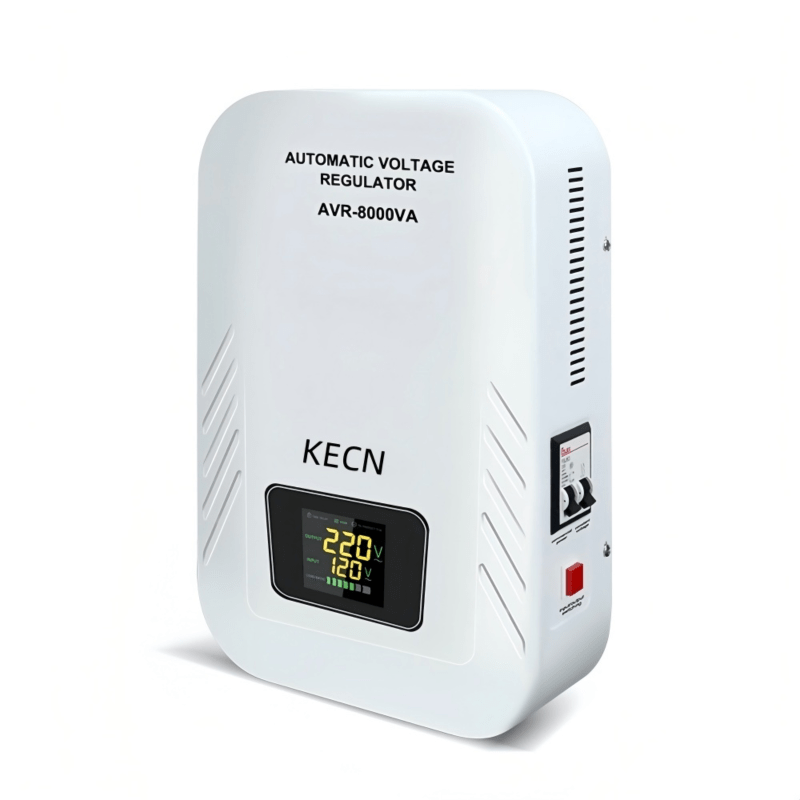
Modern manufacturing facilities, data centers, and commercial establishments increasingly rely on precision electrical control to maintain competitive advantages. Voltage irregularities can cause production line disruptions, data corruption, and equipment malfunctions that cascade throughout entire operations. Understanding how voltage regulation technology works and its practical applications enables facility managers and engineers to make informed decisions about power management investments that protect both immediate operations and long-term asset value.
Voltage regulation operates on fundamental electrical principles that involve sensing, comparison, and correction mechanisms working in continuous coordination. The device constantly monitors incoming voltage levels through sophisticated sensing circuits that detect even minor deviations from specified parameters. When variations are detected, internal control circuits immediately initiate corrective actions to maintain stable output voltage within predetermined tolerance ranges.
The regulation process begins with voltage sensing components that measure real-time input conditions and compare them against reference standards. This comparison generates error signals that drive correction mechanisms, which may include transformer tap switching, electronic switching circuits, or servo-motor controlled variable transformers. The speed and accuracy of these correction mechanisms determine the overall effectiveness of the voltage regulator in maintaining electrical stability during dynamic load conditions.
Automatic voltage regulators employ various technological approaches to achieve precise voltage control, each optimized for specific applications and performance requirements. Electromechanical regulators utilize servo motors and variable transformers to provide smooth, continuous voltage adjustment with excellent isolation characteristics. These systems excel in applications requiring high power handling capability and robust performance in harsh industrial environments.
Electronic voltage regulators leverage solid-state switching technology to achieve rapid response times and precise control accuracy. These systems incorporate advanced microprocessor controls that enable sophisticated monitoring, diagnostic capabilities, and remote communication features. The electronic approach provides superior regulation accuracy and faster response to voltage disturbances, making it ideal for sensitive electronic equipment protection.
Effective voltage regulation directly addresses the primary sources of electrical instability that threaten equipment operation and system reliability. Input voltage variations caused by utility grid fluctuations, load changes, and environmental factors are automatically compensated through continuous monitoring and real-time adjustment mechanisms. This proactive approach prevents voltage deviations from propagating to connected equipment, maintaining stable operating conditions regardless of external disturbances.
The mitigation process involves sophisticated control algorithms that predict and respond to voltage trends before they can impact connected loads. Advanced voltage regulator systems incorporate predictive control features that analyze historical patterns and anticipate voltage changes, enabling preemptive corrections that maintain seamless stability. This predictive capability significantly reduces the magnitude and duration of voltage transients that could otherwise damage sensitive equipment.
Modern electrical systems face increasing challenges from harmonic distortion generated by non-linear loads such as variable frequency drives, switching power supplies, and LED lighting systems. Voltage regulation technology addresses these challenges through advanced filtering capabilities and clean power generation techniques that minimize harmonic content in delivered power. This harmonic reduction protects sensitive equipment from distortion-related stress while improving overall power quality.
Sophisticated voltage regulator designs incorporate active filtering technologies that actively cancel harmonic disturbances while maintaining fundamental frequency voltage regulation. These systems monitor the harmonic spectrum of input power and generate compensating signals that neutralize unwanted frequency components. The result is cleaner, more stable power delivery that extends equipment lifespan and reduces maintenance requirements across connected systems.
Manufacturing operations depend on consistent electrical power to maintain product quality, production schedules, and equipment reliability throughout complex production processes. Voltage variations can cause CNC machines to lose positional accuracy, injection molding equipment to produce defective parts, and automated assembly systems to experience timing errors. Implementing comprehensive voltage regulation ensures that manufacturing equipment receives the stable power required for precise, repeatable operations.
The economic impact of voltage-related production disruptions extends beyond immediate repair costs to include lost production time, scrap material expenses, and customer satisfaction issues. Proactive voltage regulation investment prevents these cascading costs while enabling manufacturers to maintain tight quality tolerances and meet demanding delivery schedules. The reliability improvement achieved through proper voltage regulation often pays for itself through reduced downtime and improved production efficiency.
Data centers, hospitals, telecommunications facilities, and other critical infrastructure applications require exceptional electrical reliability to maintain essential services and prevent catastrophic failures. These environments cannot tolerate voltage-related equipment failures that could compromise mission-critical operations or endanger public safety. Voltage regulator technology provides the robust power conditioning necessary to ensure continuous operation of life-safety systems and essential communication networks.
Critical infrastructure voltage regulation systems often incorporate redundant designs and advanced monitoring capabilities that provide early warning of potential issues before they can impact operations. These systems continuously log power quality data, enabling facility managers to identify trends and optimize maintenance schedules. The combination of reliable voltage regulation and comprehensive monitoring creates a foundation for sustained infrastructure reliability that meets the highest operational standards.
Selecting appropriate voltage regulation equipment requires careful analysis of load characteristics, input power conditions, and performance requirements specific to each application. Key specifications include regulation accuracy, response time, power capacity, input voltage range, and environmental operating conditions that affect equipment selection and sizing decisions. Understanding these parameters ensures that chosen voltage regulator systems provide adequate protection while optimizing cost-effectiveness.
Load analysis must consider both steady-state requirements and dynamic characteristics such as starting current surges, regenerative energy, and power factor variations that influence voltage regulator performance. Proper specification also requires evaluation of future expansion plans and changing load requirements that may affect system capacity needs. This comprehensive approach ensures that voltage regulation investments provide long-term value and adaptability to evolving operational requirements.
Successful voltage regulator implementation requires careful attention to installation practices, system integration, and commissioning procedures that ensure optimal performance and reliability. Proper grounding, cooling ventilation, and electrical connections are essential for achieving specified performance parameters and preventing premature equipment failure. Professional installation following manufacturer guidelines and applicable electrical codes ensures safe, reliable operation throughout the equipment lifecycle.
Integration with existing electrical systems requires coordination with protection devices, control systems, and monitoring equipment to create seamless operation without compromising safety or functionality. Commissioning procedures should include comprehensive testing of regulation accuracy, response characteristics, and protective functions under various operating conditions. This thorough approach validates system performance and identifies any adjustments needed to optimize voltage regulator effectiveness in specific applications.
Modern voltage regulator systems incorporate sophisticated diagnostic capabilities that enable continuous performance monitoring and predictive maintenance strategies. Built-in monitoring functions track key performance parameters including regulation accuracy, temperature conditions, switching operations, and power quality metrics that indicate system health and operational trends. This data enables maintenance teams to identify potential issues before they result in equipment failures or performance degradation.
Advanced diagnostic systems provide remote monitoring capabilities that allow facility managers to track voltage regulator performance from centralized control rooms or off-site locations. Historical data analysis reveals patterns that support optimized maintenance scheduling and operational adjustments that maximize equipment lifespan. The combination of real-time monitoring and trend analysis creates opportunities for proactive maintenance strategies that minimize downtime and extend equipment service life.
Effective voltage regulator maintenance programs balance proactive care with cost-effective resource utilization through systematic inspection schedules and condition-based maintenance approaches. Regular inspection of electrical connections, cooling systems, and mechanical components prevents minor issues from developing into major failures that could compromise electrical stability. Proper maintenance extends equipment lifespan while ensuring continued protection of connected loads.
Condition monitoring technology enables maintenance teams to optimize service intervals based on actual equipment condition rather than arbitrary time schedules. This approach reduces unnecessary maintenance costs while ensuring that critical maintenance activities are performed when needed. The result is improved equipment reliability and reduced total cost of ownership through optimized maintenance resource allocation and extended equipment service life.
Voltage regulation refers to the active process of maintaining output voltage within specified limits despite input variations, while voltage stabilization encompasses broader power conditioning that may include surge protection, harmonic filtering, and transient suppression. Voltage regulators focus specifically on maintaining steady voltage levels, whereas voltage stabilizers often combine multiple power quality improvement functions in integrated systems designed for comprehensive electrical protection.
Response time varies significantly based on the technology employed, with electronic voltage regulators typically responding within milliseconds while electromechanical systems may require several seconds for full correction. Fast response times are critical for protecting sensitive electronic equipment from voltage transients, while slower response may be acceptable for less sensitive loads. The appropriate response speed depends on the specific application requirements and the sensitivity of connected equipment to voltage variations.
While voltage regulators primarily focus on voltage control, some advanced models incorporate power factor correction capabilities that can improve overall system efficiency. However, dedicated power factor correction equipment is typically more effective for addressing reactive power issues. The combination of voltage regulation and power factor correction provides comprehensive power quality improvement that optimizes both voltage stability and energy efficiency in industrial applications.
Maintenance requirements vary by technology type, with electronic systems typically requiring minimal routine maintenance compared to electromechanical designs that need periodic inspection of moving parts, lubrication, and mechanical adjustments. All voltage regulator systems benefit from regular cleaning, electrical connection inspection, and performance verification testing. Following manufacturer maintenance guidelines and maintaining detailed service records ensures optimal performance and maximum equipment lifespan.

 EN
EN