လျှပ်စစ်မုန်တိုင်းဖြစ်မှုများသော ဧရိယာတွင် နေထိုင်ခြင်း သို့မဟုတ် စီးပွားရေးလုပ်ငန်း လုပ်ကိုင်ခြင်းသည် လျှပ်စစ်ဆိုင်ရာ အထူးသဖြင့် အန္တရာယ်များသော စိန်ခေါ်မှုကို ဖော်ပေးပါသည်။ သင့်အိမ်နေအိမ် သို့မဟုတ် လုပ်ငန်းခွင်အနီးတွင် လျှပ်စစ်မုန်တိုင်း ထိခိုက်မှုဖြစ်ပါက—တိုက်ရိုက်ဖြစ်စေ သို့မဟုတ် သိမ်းသိမ်းဖြစ်စေ— သင့်လျှပ်စစ်လိုင်းများတွင် အလွန်မြင့်မားသော အခိုက်အတန့် ဗို့အားတိုက်ခိုက်မှုကို စီးဆင်းစေပါသည်။ ထိုအခိုက်အတန့်သည် မိလီစက္ကန်ဒ်အတွင်း အိုင်းအိုးသော ဗို့အား (ဥပမါ- ထောင်ပေါင်းများစွာ) အထိ ရောက်နိုင်ပါသည်။ ထိုသို့သော အခြေအနေများအတွက် သင့်လျှပ်စစ်စနစ်ကို ကာကွယ်ရန် အကောင်းဆုံး ဗို့အား ဆာဂျ်ကာကွယ်စက် ကို ရွေးချယ်ခြင်းသည် အဆင်ပေးမှုအတွက် မဟုတ်ပါ။ အဆိုပါကိရိယာသည် စုန်းသော လျှပ်စစ်ပစ္စည်းများ၊ စက်မှုလုပ်ငန်းဆိုင်ရာ စက်ကိရိယာများနှင့် လူသားများ၏ ဘေးကင်းရေးကို ကာကွယ်ရန် အရေးကြီးပါသည်။ လျှပ်စစ်မုန်တိုင်းအန္တရာယ်များသော ပတ်ဝန်းကျင်တွင် အကောင်းဆုံး အမျိုးအစားများကို နောက်ခံအခြေအနေများအရ သိရှိရန်အတွက် ဗို့အားကာကွယ်မှုအဆင့်၊ စွမ်းအင်စုပ်ယူနိုင်မှု၊ တုံ့ပြန်မှုအချိန်နှင့် တပ်ဆင်မှုပုံစံတို့ကို သေချာစွာ လေ့လျော်သုံးသပ်ရန် လိုအပ်ပါသည်။
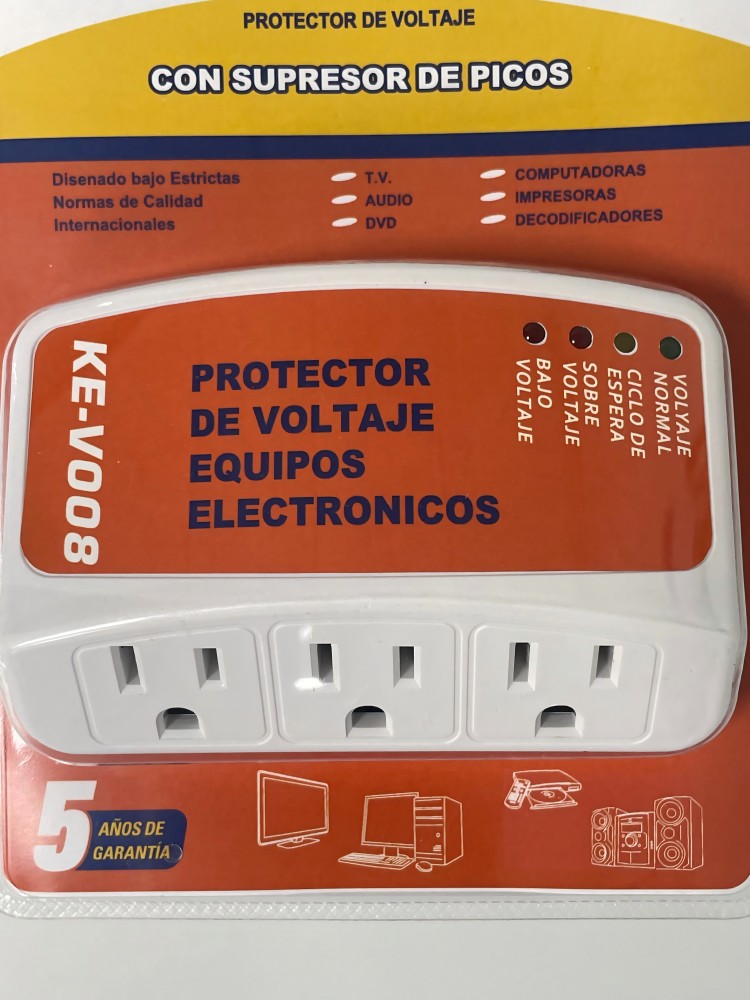
တစ်ခုချင်းစီကို ဒီဇိုင်းထုတ်ထားခြင်းမဟုတ်ပါ ဗို့အား ဆာဂျ်ကာကွယ်စက် မီးလောင်သော လျှပ်စစ်စီးဆင်းမှုများနှင့် ဆက်စပ်သော အလွန်အမင်းဖြစ်ပေါ်လာသော စွမ်းအင်လွှတ်ပေးမှုများကို ကိုင်တွယ်ရန် ဒီဇိုင်းထုတ်ထားခြင်းဖြစ်သည်။ စံနှုန်းအတိုင်းသုံးသော စားသုံးသူအဆင့် ကိရိယာများသည် လျှပ်စစ်ဓာတ်အား ဖြန့်ဖြူးရေးစနစ်အတွင်း လျှပ်စစ်စီးဆင်းမှု အပြောင်းအလဲမှ စွမ်းအင်အနည်းငယ်ကို စုပ်ယူနိုင်သော်လည်း မီးလောင်သော လျှပ်စစ်စီးဆင်းမှုမှ ဖြစ်ပေါ်လာသော အလွန်အမင်းသော အချိန်ကာလတို လျှပ်စစ်စီးဆင်းမှုကို ထိရောက်စွာ မကိုင်တွယ်နိုင်ဘဲ ပျက်စီးသွားတတ်သည်။ ဤဆောင်းပါးသည် သင့်အား အကဲဖြတ်ရန်၊ နှိုင်းယှဉ်ရန်နှင့် အကောင်းဆုံးသော ဗို့အား ဆာဂျ်ကာကွယ်စက် ကို ရွေးချယ်ရန်အတွက် လက်တွေ့ကျပြီး နည်းပညာအရ အခြေခံထားသော လမ်းညွှန်မှုကို ပေးဆောင်ပါသည်။ မီးလောင်သော လျှပ်စစ်စီးဆင်းမှုများ မကြာခဏ သို့မဟုတ် အလွန်အမင်းဖြစ်ပေါ်လာသော နေရာများအတွက်
မီးလုံးက သင့်အဆောက်အဦးကို တိုက်ရိုက်ထိမှသာ ပျက်စီးမှုဖြစ်စေသည်ဟု မသတ်မှတ်ရ။ သင့်စက်ရုံနေရာမှ ကီလိုမီတာ (၁) အကွာအဝေးအတွင်း မီးလုံးထိမှုသည် ပါဝါလိုင်းများ၊ ဆက်သွယ်ရေးကြိုးများနှင့် သင့်အဆောက်အဦးအတွင်းရှိ သော သော့ချက်များကို ဗို့အားမြင့်မားသော လှုပ်ရှားမှုများဖြစ်စေနိုင်သည်။ ဤလှုပ်ရှားမှုများသည် အိမ်သုံးလိုင်းတွင် ဗို့အား (၆၀၀၀) ဗို့အထက် ဖြစ်ပေါ်စေနိုင်ပြီး အခြေခံသော လျှပ်စစ်လှုပ်ရှားမှုကာကွယ်ရေးကိရိယာများ၏ အများဆုံးလျှပ်စစ်လှုပ်ရှားမှုကာကွယ်မှုအဆင့်ကို ကျော်လွန်နိုင်သည်။ အရည်အသွေးမြင့် ဗို့အား ဆာဂျ်ကာကွယ်စက် မီးလုံးများ မျှမျှတတ ဖြစ်ပေါ်လေ့ရှိသော ဒေသများအတွက် ဒီဇိုင်းထုတ်ထားသည့် ကိရိယာများသည် ဤအလွန်မားသော ဗို့အားအဆင့်များကို အကြိမ်ပေါင်းများစွာ ကိုင်တွယ်နိုင်ရန် အဆင့်သတ်မှတ်ထားရမည်ဖြစ်ပြီး အရည်အသွေးများ ကျဆင်းမှုမရှိရ။
လျှပ်စစ်ပေါက်ကွဲမှုကြောင့်ဖြစ်သည့် လျှပ်စစ်စီးကို အသုံးပြုသည့် လျှပ်စစ်ပေါက်ကွဲမှုနှင့် မတူညီသည့် အရေးကြီးသော ကွဲပြားခြင်းမှုများသည် အမြင့်ဆုံးတန်ဖိုးနှင့် စွမ်းအင်ပမာဏ ဟူသော အချက်နှစ်ချက်တွင် ရှိပါသည်။ မီးကြိုးထိခါးမှုကြောင့်ဖြစ်သည့် လျှပ်စစ်ပေါက်ကွဲမှုများသည် ဂျူးယ်စွမ်းအင်ပမာဏ ပိုများပါသည်။ ထို့ကြောင့် ဂျူးယ်စွမ်းအင်ပမာဏ ပိုများပါသည့် ဗို့အား လျှပ်စစ်ပေါက်ကွဲမှုကာကွယ်ရေးကို အသုံးပြုရန် လိုအပ်ပါသည်။ ထို့အပြင် ကာကွယ်ရေးကို ပိုများသည့် ဂျူးယ်စွမ်းအင်ပမာဏ၊ နိမ့်သည့် ကလမ်းပင်း ဗို့အားနှင့် မြန်သည့် တုံ့ပြန်မှုအချိန်တို့ဖြင့် အသုံးပြုရန် လိုအပ်ပါသည်။ မီးကြိုးထိခါးမှုများ များပါသည့် ဒေသများအတွက် ဗို့အား လျှပ်စစ်ပေါက်ကွဲမှုကာကွယ်ရေးကို စိစိမ်စမ်းရာတွင် ဂျူးယ်စွမ်းအင်ပမာဏ၊ ကလမ်းပင်း ဗို့အားနှင့် နနိုစကေက် တုံ့ပြန်မှု ဟူသော အချက်သုံးချက်ကို တစ်ခုတည်းသာ စိစိမ်စမ်းခြင်းမှုမှ ရှောင်ရှားပြီး အတူတက် စိစိမ်စမ်းရန် လိုအပ်ပါသည်။
ထို့အပြင် မီးကြိုးထိခါးမှုများသည် တစ်ခါတည်းသာ ဖြစ်ပါသည်ဟု မြောက်မြားစွာ မှုန်းခြင်းမှုများ မရှိပါသည်။ မုန်တိုင်းတစ်ခုအတွင်း တစ်နေရာတည်းတွင် အချိန်တိုအတွင်း လျှပ်စစ်ပေါက်ကွဲမှုများ အကြိမ်ပေါင်းများစွာ ဖြစ်ပါသည်။ အ ဗို့အား ဆာဂျ်ကာကွယ်စက် မီးကြိုးထိခါးမှုများ များပါသည့် ဒေသများအတွက် မီးကြိုးထိခါးမှုကို တစ်ကြိမ်သာ စုပ်ယူနိုင်ပြီး မက်တယ် ၏ အောက်ဆိုဒ် ဗာရီစတာ (MOVs) များ ပျက်စီးသည့် ကာကွယ်ရေးကို အသုံးပြုခြင်းသည် လုံလေးမှုမရှိပါသည်။ ထို့ကြောင့် အကြိမ်ပေါင်းများစွာ ဖိအားပေးမှုကို ခံနိုင်ရည်ရှိမှုသည် လုံလေးသည့် ကာကွယ်ရေးနှင့် အထူးကောင်းမှုကို ခွဲခြားသည့် အရေးကြီးသော အချက်ဖြစ်ပါသည်။
အချို့သော ဘူမိဗေဒဆိုင်ရာ အခြေအနေများသည် လျှပ်စစ်စနစ်များပေါ်တွင် မီးခိုးလျှံများ၏ အကျိုးသက်ရောက်မှုကို ပိုမိုကြီးမားစေသည်။ မြေအောက်တွင် ကြေးနီကြေးဝါ မျှော်လင့်ထားခြင်းမရှိဘဲ လေထဲတွင် ဖြန့်ကြူးထားသော လျှပ်စစ်လိုင်းများရှိသော ဧရိယာများသည် အလွန်အမင်း အန္တရာယ်များပါသည်။ အကြောင်းမှာ ထိုလိုင်းများသည် သင့်လျှပ်စစ်ပေါ်လ်များသို့ အပ်လုဒ်လုပ်ထားသော လျှပ်စစ်လှုပ်ရှားမှုများကို တိုက်ရိုက် ပို့ဆောင်ပေးသည့် အန္တေနာများအဖြစ် အသုံးပြုနိုင်သောကြောင့်ဖြစ်သည်။ ကျေးလက်ဒေသများ၊ မကြာခဏ မီးခိုးလျှံများဖြစ်ပေါ်လေ့ရှိသော ကမ်းရိုးတန်းဒေသများနှင့် မြင့်မားသော မြေများသည် အန္တရာယ်များသော အခြေအနေများကို ဖန်တီးပေးပြီး ပိုမိုမာက်သော ဗို့အား ဆာဂျ်ကာကွယ်စက် ရွေးချယ်မှုနည်းလမ်းကို လိုအပ်ပါသည်။
ဤဒေသများတွင် စက်မှုလုပ်ငန်းများ၊ စိုက်ပျိုးရေးလုပ်ငန်းများနှင့် အဝ remote အိမ်များသည် နှစ်များစုပ်သော အန္တရာယ်များကို ရင်ဆိုင်ရပါသည်။ အကြောင်းမှာ ၎င်းတို့သည် အထူးသဖြင့် အာရုံခံစားနိုင်သော လျှပ်စစ်ပစ္စည်းများကို အလွန်အမင်း အားကုံးနေပါသည်။ ထို့အပ alongside အသက်များပါသော သို့မဟုတ် ကာကွယ်မှုမရှိသော လျှပ်စစ်ပေးပို့ရေး အခြေခံအဆောက်အအိမ်များဖြင့် ပေးပို့ထားခြင်းဖြစ်သည်။ ထိုကဲ့သို့သော ပတ်ဝန်းကျင်များတွင် ကာကွယ်မှုမရှိသော မီးခိုးလျှံတစ်ခုသည် မော်တာများ၊ PLC များ၊ HVAC စနစ်များနှင့် ဆက်သွယ်ရေးပစ္စည်းများကို တစ်ပါတည်း ပျက်စီးစေနိုင်ပါသည်။ စွမ်းအင်ဝင်ရောက်မှုနေရာတွင် စွမ်းရည်ရှိသော ဗို့အား ဆာဂျ်ကာကွယ်စက် ကို ရင်းနှီးမှုထည့်သွင်းခြင်းသည် အကုန်ကုန်သက်သာစေသော အန္တရာယ်လျှော့ချရေးနည်းလမ်းများထဲမှ တစ်ခုဖြစ်ပါသည်။
ဂျူးလ်အဆင့်သတ်မှတ်ချက်သည် ဗို့အား ဆာဂျ်ကာကွယ်စက် ဒီစက်သည် ပျက်စီးသွားမည့်အထိ စုစုပေါင်းစွမ်းအားကို ဘယ်လောက်အထိ စုပ်ယူနိုင်ကြောင်း ဖော်ပြပါသည်။ မိုးကုန်းများတွင် လျှပ်စစ်မှုန်းခေါင်းပေါ်တွင် ကာကွယ်ရန် အိမ်သုံးအသုံးအဆောင်များအတွက် ဂျူးလ်အဆင့်သည် ၁၀၀၀ ဂျူးလ်အထက်ဖြစ်ရမည်ဖြစ်ပါသည်။ စီးပွားရေးနှင့် စက်မှုလုပ်ငန်းများအတွက်မှုန်းခေါင်းကာကွယ်ရေးစက်များသည် ၂၀၀၀ ဂျူးလ် (သို့) ထိုထက်များသော အဆင့်ကို ရှာဖွေရမည်ဖြစ်ပါသည်။ ဤအဆင့်သည် အလွန်အရေးကြီးပါသည်။ အကြောင်းမှာ လျှပ်စစ်မှုန်းခေါင်းပေါ်တွင် ဖြစ်ပေါ်သော အဖြစ်များသည် မိုက်ခရိုစကေးကြောင်း အလွန်များပြားသော စွမ်းအားကို ထုတ်လွှတ်နိုင်ပါသည်။
ဂျူးလ်အဆင့်သည် စုစုပေါင်းစွမ်းရည်ကို ဖော်ပြသည်ကို သတိပြုရန် အရေးကြီးပါသည်။ မှုန်းခေါင်းဖြစ်ပေါ်မှုတစ်ခုချင်းစီသည် ဗို့အား ဆာဂျ်ကာကွယ်စက် ဟန်ဒယ်များသည် ၎င်း၏ကျန်ရှိသောစွမ်းအားကို အနည်းငယ်လျော့နည်းစေသည်။ လျှပ်စစ်ပေါက်ကွဲမှုများဖြစ်ပေါ်မှုများသော နေရာများတွင် ဂျူးအမှတ်အသားမြင့်မော်ဒယ်များသည် အစားထိုးရန်လိုအပ်မည့်အချိန်အထိ ကာကွယ်မှုစွမ်းရည်ကို ပိုမိုကြာရှည်စွာထိန်းသိမ်းနိုင်သည်။ လျှပ်စစ်ပေါက်ကွဲမှုများဖြစ်ပေါ်မှုများသော နေရာများအတွက် MOV ပျက်စီးမှုကို အသိပေးသည့် အလင်းအမှတ်အသား (သို့) အသံအမှတ်အသားပါသော ဗို့အားပေါက်ကွဲမှုကာကွယ်ရေးကိရိယာကို ရွေးချယ်ခြင်းသည် လက်တွေ့ကျသော အင်္ဂါရပ်ဖြစ်သည်။
တိုးတက်သော နည်းပညာများ အချို့ ဗို့အား ဆာဂျ်ကာကွယ်စက် ဒီဇိုင်းများတွင် အပူခံကွဲခြားမှုများနှင့် အလိုအလျောက်ပြန်လည်စတင်မှုလုပ်ဆောင်ချက်များကို ထည့်သွင်းထားပြီး ကာကွယ်မှုအလွှာများကို ထပ်မံဖော်ပေးသည်။ အတွင်းပိုင်းကာကွယ်မှုအစိတ်အပိုင်းများ ပြန်လည်ပေါင်းစပ်မှုမရှိအောင် ပျက်စီးသွားပါက အပူခံကွဲခြားမှုသည် မီးဘေးအန္တရာယ်ဖြစ်စေနိုင်သည့် ပျက်စီးနေသော MOV များကို ဆက်သွယ်မှုမှ ဖျက်သိမ်းပေးသည်။ လျှပ်စစ်ပေါက်ကွဲမှုများဖြစ်ပေါ်မှုများသော နေရာများတွင် ကာကွယ်ရေးကိရိယာ၏ ကြာရှည်မှုသည် အလွန်အရေးကြီးသည်။
ကလမ်းပင်းဗို့အားသည် ဗို့အား ဆာဂျ်ကာကွယ်စက် ဤသည်မှာ ကိရိယာသည် ချိတ်ဆက်ထားသော ပစ္စည်းများမှ အပိုစွမ်းအားကို လွှဲပေးရန် စတင်သည့် ဗို့အားအဆင့်ကို သတ်မှတ်ပေးသည်။ စံနှုန်းအတိုင်း ၁၂၀ ဗို့ဖြစ်သော စီးကွမ်းတွင် ၄၀၀ ဗို့ (သို့မဟုတ် အောက်) အထိ ကာကွယ်မှုအဆင့်သည် အကောင်းဆုံးဖြစ်ပြီး ၅၀၀ ဗို့ထက် ပိုများပါက ခေတ်မှီ အာရုံခံစွမ်းရည်မြင့်မှုရှိသော လျှပ်စစ်ပစ္စည်းများအတွက် လုံလောက်သော ကာကွယ်မှုမရှိပါ။ ကာကွယ်မှုအဆင့်နိမ့်လျော့ခြင်းသည် ဗို့အား စီးကွမ်းကာကွယ်ရေးကိရိယာသည် ပိုမိုစေးရှေးနှင့် ပိုမိုတိက်တိက် လုပ်ဆောင်မှုရှိကြောင်း ဖော်ပြပါသည်။ ထို့ကြောင့် ဗို့အား တက်ခြင်းအချိန်တွင် သင့်ပစ္စည်းများကို ပိုမိုလုံခြုံစေပါသည်။
တုံ့ပြန်မှုအချိန်သည်လည်း အလွန်အရေးကြီးပါသည်။ မုန်တိုင်းမှ ဖြစ်ပေါ်လာသော အချိန်တိုအတွင်း ဖြစ်ပေါ်လာသော လျှပ်စစ်စီးကွမ်းများသည် နနိုစကောင်းဒ်များဖြင့် ဖွံ့ဖြိုးလာပါသည်။ ထို့ကြောင့် ဗို့အား ဆာဂျ်ကာကွယ်စက် သည်လည်း အလွန်မြန်မြန် တုံ့ပြန်ရန် လိုအပ်ပါသည်။ MOV အခြေပြု နည်းပညာကို အသုံးပြုသည့် ကိရိယာများသည် နနိုစကောင်းဒ် ၁ ခုထက် နည်းသည့် အချိန်တွင် တုံ့ပြန်လေ့ရှိပါသည်။ ထို့ကြောင့် မုန်တိုင်းဖြစ်ပေါ်မှုများအတွက် အကောင်းဆုံးဖြစ်ပါသည်။ သို့သော် ထုတ်လုပ်သူများအကြား အရည်အသွေးသည် ကွာခြားမှုများစွာရှိပါသည်။ ထို့ကြောင့် ဗို့အား စီးကွမ်းကာကွယ်ရေးကိရိယာတစ်ခု၏ စမ်းသပ်ထားသော တုံ့ပြန်မှုအချိန်သည် ဈေးကွက်တွင် ကြော်ငြာထားသည့် အချက်အလက်များနှင့် ကွဲပါသည်။ ထို့ကြောင့် အသိအမှတ်ပြုမှု လိုက်နာမှုသည် ရွေးချယ်ရာတွင် အရေးကြီးသော စံနှုန်းဖြစ်ပါသည်။
အကယ်၍ တစ်ခုကို တွေ့ရှိနေပါက ဗို့အား ဆာဂျ်ကာကွယ်စက် မီးခိုးမှုန်းမြင့်သော ဧရိယာများအတွက် UL 1449 (အမေရိကန် မြောက်ပိုင်း) သို့မဟုတ် IEC 61643 (နိုင်ငံတကာ) ကဲ့သို့သော စံချိန်စံညွန်းများဖြင့် အတည်ပြုထားသော ကိရိယာများကို အမြဲရှာဖွေရမည်။ ဤစံချိန်စံညွန်းများသည် အလွန်တိုတောင်းသော လျှပ်စစ်ဖိအားများအောက်တွင် ဖမ်းမိသော ဖိအားနှင့် စွမ်းအင်ကို စမ်းသပ်ပြီး ထုတ်လုပ်သူများနှင့် စျေးနှုန်းအဆင့်များအလုံးစုံတွင် ကိရိယာများကို နှိုင်းယှဉ်ရန် ယုံကုံစေသော အချက်အလက်များကို ပေးစေသည်။
အမြင့်ဆုံးစွမ်းဆောင်ရည်ရှိသော ဗို့အား ဆာဂျ်ကာကွယ်စက် မီးခိုးမှုန်းမြင့်သော ပတ်ဝန်းကျင်များအတွက် မှုန်းမြင့်သော ကာကွယ်မှုများကို အမျိုးမျိုးဖြင့် ပေးစေရမည်။ ဥပမါ- လိုင်းမှ နျူထရယ်၊ လိုင်းမှ ဂရောင်းဒ်နှင့် နျူထရယ်မှ ဂရောင်းဒ် စသည်ဖြင့် သုံးမျိုးပေါင်းစပ်ထားသော ပုံစံဖြစ်သည်။ ဤသုံးမျိုးပေါင်းစပ်ထားသော ပုံစံသည် မည်သည့် လျှပ်စစ်ကြောင်းမျှ ဖြတ်သန်းလာသော မှုန်းမြင့်မှုများကို ချိတ်ဆက်ထားသော ပစ္စည်းများသို့ မရောက်မီ ဖမ်းမိစေရန် သေချာစေသည်။ မှုန်းမြင့်မှုကို တစ်မျိုးသာ ကာကွယ်ပေးသော ဗော်လ်မှုန်းမြင့်ကာကွယ်ရေးကိရိယာသည် မီးခိုးမှုန်းမြင့်မှုများကို အန္တရာယ်ဖြစ်စေနိုင်သည့် အကွာအမောင်းများကို ဖန်တီးပေးလေသည်။
အိမ်တစ်ခုလုံးနှင့် အဆောက်အဦးတစ်ခုလုံးအတွက် မှုန်းမြင့်ကာကွယ်မှု— အဓိက လျှပ်စစ်ပေါင်းစည်းချက်တွင် တပ်ဆင်ထားသော — သည် မီးခိုးမှုန်းမြင့်သော ဒေသများအတွက် အကောင်အထောက်ဆုံး အဆောက်အဦးဆိုင်ရာ ချဉ်းကပ်မှုဖြစ်သည်။ ဤအမျိုးအစားသည် ဗို့အား ဆာဂျ်ကာကွယ်စက် အတွင်းပိုင်းဝိုင်ယာများသို့ ပျံ့နှံ့သွားရန် မကြာမီ အဝင်နေရာတွင် အမြင့်ဆုံးအာမ်ပလီတူဒ်ဖြင့် စီးဆင်းမှုများကို ဖမ်းမိပါသည်။ အထူးသဖြင့် ခြုံငုံထားရန် လိုအပ်သော စက်ကိရိယာများတွင် အသုံးပြုသည့် ကာကွယ်မှုနှင့် အတူ အသုံးပြုရန် အကောင်းဆုံးဖြစ်ပါသည်။ ထိုသို့သော အလွှာတန်းမှုကာကွယ်မှုနည်းလမ်းသည် ပေါ်လွင်သော အချိန်ကာလအတွင်း ဖြစ်ပေါ်သော အကြီးမားသော အဖြစ်အပျက်များနှင့် ပေါ်လွင်သော အချိန်ကာလအတွင်း ဖြစ်ပေါ်သော အသေးစား အမြင့်မှုန်းသော စီးဆင်းမှုများကို ပေါ်လွင်သော ပေါင်းစပ်မှုဖြင့် ကာကွယ်ပေးပါသည်။
မီးလုံးများ အလွန်များသော နေရာများတွင် အိမ်ရှင်များအတွက် အကောင်းဆုံး ကာကွယ်မှုနည်းလမ်းသည် ပေါင်းစပ်ထားသော ပေါင်းစပ်မှုဖြင့် စတွေးပါသည်။ ဗို့အား ဆာဂျ်ကာကွယ်စက် type 1 သို့မဟုတ် Type 2 အသုံးပြုမှုအတွက် အဆင့်သတ်မှတ်ထားသည့် ကိရိယာဖြစ်ပါသည်။ Type 1 ကိရိယာများကို အဓိက ဘရိတ်အောက်တွင် တပ်ဆင်ပြီး လျှပ်စစ်လိုင်းများပေါ်တွင် တိုက်ရိုက်မီးလုံးများဖြင့် ဖြစ်ပေါ်သော စီးဆင်းမှုများကို ကိုင်တွယ်နိုင်ပါသည်။ ထိုသို့သော ကိရိယာများသည် အဝင်နေရာတွင် အမြင့်ဆုံးအဆင့်သော ကာကွယ်မှုကို ပေးပါသည်။ Type 2 ကိရိယာများကို အဓိက ဘရိတ်အောက်တွင် တပ်ဆင်ပြီး စီးဆင်းမှုများနှင့် လျှပ်စစ်လိုင်းများ ပြောင်းလဲမှုများကို ကာကွယ်ပေးပါသည်။
ပနေလ်အပြင်တွင် စမတ်တီဗီများ၊ အိမ်သုံး သီယေတာစနစ်များ၊ ကွန်ပျူတာများနှင့် မီးဖိုခေါင်းအီလက်ထရွန်နစ်ပစ္စည်းများကဲ့သို့သော အာရုံလွင့်သော ပစ္စည်းများအားလုံးသည် အသုံးပြုရာတွင် သီးသန့်အမျှတ်ဖြင့် ချိတ်ဆက်ရမည်။ ဗို့အား ဆာဂျ်ကာကွယ်စက် ပစ္စည်း၏တန်ဖိုးနှင့် အာရုံလွင့်မှုအတိုင်း ဂျူးအဆင့်သည် သင့်လျော်ရမည်။ ပနေလ်အဆင့် ကာကွယ်ရေးပစ္စည်းသည် မီးလောင်ခြင်းစွမ်းအား၏ အများစုကို ကိုင်တွယ်ပေးသော်လည်း အသုံးပြုရာတွင် သီးသန့်အမျှတ်ဖြင့် ချိတ်ဆက်ထားသော ဒုတိယအလွှာမရှိပါက အသုံးပြုရာတွင် အနိမ့်အဆင့် မီးလောင်ခြင်းစွမ်းအားများသည် အာရုံလွင့်သော အီလက်ထရွန်နစ်ပစ္စည်းများကို ပျက်စီးစေနိုင်သည်။ ပေါင်းစပ်ထားသော ချဉ်းကပ်မှုသည် အဆင့်မြင့် ကာကွယ်ရေးပစ္စည်းတစ်ခုတည်းကိုသာ အားကိုးခြင်းထက် အများအားဖြင့် ပိုမိုထိရောက်သည်။
အိမ်ရှင်များသည် မိမိတို့၏ ဗို့အား ဆာဂျ်ကာကွယ်စက် ကို မုန်တိုင်းများ အများအားဖြင့် ဖြစ်ပွားသော ရာသီများအပြီးတွင် သို့မဟုတ် မိမိတို့၏ နေရာအနီးတွင် မီးလောင်ခြင်းဖြစ်ရပ်များ ဖြစ်ပွားပြီးနောက် ကြိုတင်၍ အစားထိုးရမည်။ မျက်စိဖြင့် မြင်နိုင်သော ရုပ်ပိုင်းဆိုင်ရာ ပျက်စီးမှုမရှိသည်နှင့် မှီ၍ အကြိမ်ကြိမ် အမြင့်စွမ်းအားကို စုပ်ယူခြင်းဖြင့် MOV စွမ်းရည်သည် အလုံလေးမှုမရှိဘဲ လျော့နည်းသွားပြီး ကာကွယ်ရေးအတွက် လုံလေးမှုမရှိတော့သည့် အထိ ဖြစ်နိုင်သည်။ အခြေအနေအကြောင်း အသိပေးမှုများ ပါရှိသော ပစ္စည်းများသည် ဤစောင်းကြောင်းစောင်းကြောင်းလုပ်ငန်းကို ပိုမိုလွယ်ကူစေပြီး ယုံကုံစိတ်ချရသည်။
ကုန်သွယ်ရေးနှင့် စက်မှုလုပ်ငန်း ပတ်ဝန်းကျင်များတွင် ဗို့အား ဆာဂျ်ကာကွယ်စက် ပစ္စည်းအမျိုးအစားများစွာရှိခြင်း၊ ပျက်စီးသောပစ္စည်းများကို အစားထိုးရန် စုစုပေါင်းစရိတ်များခြင်းနှင့် ထုတ်လုပ်မှုအချိန်ပိုင်းအား ရပ်ဆို့မှုဖြစ်နိုင်ခြင်းတို့ကြောင့် ရွေးချယ်မှုလုပ်ငန်းစဉ်သည် ပိုမိုရှုပ်ထွေးလာသည်။ စက်မှုလုပ်ငန်းအတွက် အသုံးပြုသည့် ဗို့အားမြင့်မှုကာကွယ်ရေးပစ္စည်းများကို သုံးဖေးစ်ပါဝါစနစ်များအတွက်၊ ပိုမိုမြင့်မားသော အမြဲတမ်းလုပ်ဆောင်နေသည့် ဗို့အားများအတွက်နှင့် အလွန်မြင့်မားသော မြင့်မှုစီးကြောင်းအားဖော်ပေးမှုများအတွက် ဒီဇိုင်းထုတ်ထားပါသည်။ တစ်ဖေးစ်လျှင် ၁၀၀ ကီလိုအာမ်ပီယာ (kA) ထက်ပိုမိုမြင့်မားသည့် မြင့်မှုစီးကြောင်းအားဖော်ပေးမှုများကို ပေးနိုင်ပါသည်။
မုန်တိုင်းမှ လျှပ်စစ်ပုံစံများဖော်ပေးသည့် ဒေသများတွင် စက်မှုလုပ်ငန်းအသုံးပြုသူများအတွက် အားကောင်းသည့် မှုန်းခြင်းစီးကြောင်းအားဖော်ပေးမှု (SCCR) ကို အကောင်းဆုံးဖော်ပေးရန် အရေးကြီးပါသည်။ ဗို့အား ဆာဂျ်ကာကွယ်စက် ထောက်ခံထားသည့် SCCR ထက် ပိုမိုမြင့်မားသည့် မှုန်းခြင်းစီးကြောင်းအားဖော်ပေးမှုရှိသည့် နေရာတွင် ထားရှိသည့် ပစ္စည်းသည် မြင့်မှုဖော်ပေးမှုအချိန်တွင် ပြင်းထန်စွာ ပျက်စီးနိုင်ပါသည်။ ထို့ကြောင့် အသုံးပြုမှုအတွက် အမှန်ကန်စွာ ရွေးချယ်ရန် အရေးကြီးပါသည်။ ဤနေရာတွင် အရည်အချင်းပြည့်မှုရှိသည့် လျှပ်စစ်ပညာရှင် သို့မဟုတ် လျှပ်စစ်အင်ဂျင်နီယာနှင့် တိုင်ပါသည်။
စက်မှုတန်း ဗို့အား ဆာဂျ်ကာကွယ်စက် ပစ္စည်းများကို အသုံးပြုမည့် လုပ်ဆောင်ချက်၏ အရွယ်အစားနှင့် ကိုက်ညီအောင် ပေးစေရန် လိုအပ်ပါသည်။ မော်တော်မောင်းထိန်းချုပ်စနစ်များ၊ ဆက်သွယ်ရေးကွန်ရက်များ၊ စမ်းသပ်ခြင်းပေါ်လွဲများနှင့် ဒေတာစုဆောင်းရေးပစ္စည်းများသည် အားလုံး အရွယ်အစားများ မတူညီပါသည်။ ထို့ကြောင့် ဖောက်သည်အတွက် အကောင်အကျင်းကောင်းမှုကို ရရှိစေရန် အော်ပရေတ်လုပ်ဆောင်ချက်များ အများအပါးကို အသုံးပြုရန် လိုအပ်ပါသည်။ ဗို့အား ဆာဂျ်ကာကွယ်စက် လျှပ်စစ်ဓာတ်အားဖြန့်ဖြူးမှု အဆင့်အလိုက် အများအပါးသော နေရာများတွင် ပစ္စည်းများကို တပ်ဆင်ထားပါသည်။
အများဆုံးအရည်အသွေးရှိသော ဗို့အား ဆာဂျ်ကာကွယ်စက် ပစ္စည်းများသည် မြေပေါ်ချိတ်ဆက်မှုစနစ်သည် မှန်ကန်မှုမရှိပါက အကောင်အကျင်းကောင်းမှုကို မရရှိနိုင်ပါသည်။ လျှပ်စစ်ဖိအားများကို မြေပေါ်သို့ လွှဲပေးခြင်းဖြင့် လျှပ်စစ်ဖိအားများကို ကာကွယ်ပေးပါသည်။ မြေပေါ်ချိတ်ဆက်မှု အချိုးအစားများ များပြားပါက သို့မဟုတ် မြေပေါ်ချိတ်ဆက်မှု လိုင်းအရှည်များ များပြားပါက ပစ္စည်းများသည် ဖိအားကို ကောင်းမွန်စွာ ထိန်းချုပ်နိုင်မည်မဟုတ်ပါသည်။ မီးကြိုးများ များပြားသော နေရာများတွင် မြေပေါ်ချိတ်ဆက်မှု အချိုးအစားသည် ၅ အိုင်မ် (ohms) သို့မဟုတ် အောက်ချိုးနေရမည်ဖြစ်ပါသည်။ ထို့အပါဝင် မြေပေါ်ချိတ်ဆက်မှု အစိတ်အပိုင်းများကို ပုံမှန်စွဲစမ်းသပ်မှုများ ပြုလုပ်ရန် လိုအပ်ပါသည်။
အီလက်ထရွန်နစ်ပေနယ်နှင့် ဗို့အား ဆာဂျ်ကာကွယ်စက် အီလက်ထရွန်နစ်ပေနယ်ကြားရှိ လေးဒ်အရှည်သည် တပ်ဆင်မှုအတွက် အရေးကြီးသော အချက်တစ်ခုဖြစ်သည်။ ကြေးနီကြိုးအရှည်တိုးလာသည့်အတွက် အိုင်န်ဒတ်တန်စီဖ် တန်ဖိုးလည်း တိုးလာပြီး ကာကွယ်ရေးကိရိယာ၏ ကလမ်ပင်းတန်ဖိုးသည် အလွန်ကောင်းမှုရှိသည့်အတွက် လက်တွေ့တွင် ဖြတ်သွားသော ဗို့အားသည် ပိုမိုမြင့်တက်လာသည်။ လေးဒ်အရှည်များကို အနိမ့်ဆုံးအထိ ထိန်းသိမ်းရန် လိုအပ်ပြီး လိုင်းနှင့် ဂရောင်းဒ်ကြိုးနှစ်များအတွက် စုစုပေါင်း ၁၂ လက်မထက် နည်းသည့်အထိ ထိန်းသိမ်းရန် အကောင်းဆုံးဖြစ်သည်။ ထိုသို့ပြုလုပ်ခြင်းဖြင့် ကိရိယာ၏ အဆိုပါ စွမ်းရည်သည် လက်တွေ့တွင် အမှန်တကယ် အကောင်အထောက်ဖြစ်မည်ဖြစ်သည်။
A ဗို့အား ဆာဂျ်ကာကွယ်စက် မီးလောင်ခြင်းကာကွယ်ရေးစနစ် (LPS) တစ်ခုဖြစ်သော မီးလောင်ခြင်းကာကွယ်ရေး အမိုးနှင့် အောက်သို့ ကြေးနီကြိုးများကို အစားထိုးရန် မဟုတ်ပါ။ ဤစနစ်များသည် တိုက်ရိုက်မီးလောင်ခြင်းများကို ဖမ်းမိပြီး မီးလောင်ခြင်းမှ ထွက်ပေါ်လာသော အလွန်ကြီးမားသော လျှပ်စီးကို မြေပေါ်သို့ ဘေးကင်းစွာ လွှဲပေးရန် ဒီဇိုင်းထုတ်ထားခြင်းဖြစ်သည်။ ဤညှိနှိုင်းထားသော စနစ်အတွင်းရှိ ဗို့အားမြင့်မှုကာကွယ်ရေးကိရိယာ၏ အခန်းကဏ္ဍမှာ မီးလောင်ခြင်းကာကွယ်ရေးစနစ်ဖြင့် တိုက်ရိုက်မီးလောင်ခြင်းကို အောင်မြင်စွာ ကိုင်တွယ်နိုင်သည့်အခါတွင်ပါ အတွင်းပိုင်း အီလက်ထရွန်နစ်ကြိုးများထဲသို့ စွန်းထွက်လာသော ကျန်ရှိသော လျှပ်စီးသော စွမ်းအားကို ကိုင်တွယ်ရန်ဖြစ်သည်။
စနစ်နှစ်ခုလုံးကို တပ်ဆင်ပြီး အကောင်အထည်ဖော်မှုများကို သင့်လျော်စွာ ညှိနှိုင်းပေးထားပါက မုန်တိုင်းမှ လျှပ်စစ်ပေါက်ကွဲမှုများ အများဆုံးဖြစ်သည့် ဧရိယာများတွင် ကာကွယ်မှုအဆင့်သည် စနစ်တစ်ခုတည်းသုံးခြင်းထက် အလွန်များစွာ မြင့်မားပါသည်။ အပြင်ပိုင်း LPS သည် တိုက်ရိုက်ထိခိုက်မှုကြောင့် ဖြစ်ပေါ်လာသည့် ပျက်စီးမှုများကို ဖြစ်နိုင်ခြေကို လျော့နည်းစေပါသည်။ အထိုးထားသည့် ဗို့အား ဆာဂျ်ကာကွယ်စက် သည် အဖြစ်များပြီး လျှို့ဝှက်နေသည့် လျှပ်စစ်အား လှုပ်ရှားမှုများကို အဆက်မပြတ် ကာကွယ်ပေးပါသည်။ စနစ်နှစ်ခုသည် လျှပ်စစ်ပေါက်ကွဲမှုနှင့် ဆောင်ပါသည့် လျှပ်စစ်အန္တရာယ်အားလုံးကို ဖော်ထုတ်ဖော်ပေးပါသည်။
မုန်တိုင်းမှ လျှပ်စစ်ပေါက်ကွဲမှုများ အများဆုံးဖြစ်သည့် ဧရိယာများတွင် အပြင်ပိုင်း လျှပ်စစ်ပေါက်ကွဲမှုကာကွယ်ရေးစနစ်နှင့် အတွင်းပိုင်း ဗို့အား ဆာဂျ်ကာကွယ်စက် တပ်ဆင်မှုကို ပုံမှန်စစ်ဆေးခြင်းသည် အရေးကြီးပါသည်။ မြေချို့ခြင်းဆက်သွယ်မှုများသည် ချေးစားပါသည်။ ကြေးနောက်ဆက်သွယ်မှုများသည် ပေါ့လေးဖြစ်ပါသည်။ MOV အစိတ်အပိုင်းများသည် အသံမထွက်ဘဲ အားနည်းလာပါသည်။ မြေချို့ခြင်းအား စမ်းသပ်ခြင်းနှင့် ဗော်လ်တ်စ် စူဂ်ပရိုတေက်တာ၏ အခြေအနေညွှန်ပ indicators များကို စစ်ဆေးခြင်းတွင် ပါဝင်သည့် နှစ်စဥ်စစ်ဆေးမှုအစီအစဉ်သည် မုန်တိုင်းမှ လျှပ်စစ်ပေါက်ကွဲမှုအန္တရာယ်များ အများဆုံးဖြစ်သည့် နေရာများတွင် ရှိသည့် အဆောက်အဦများအတွက် အကောင်းဆုံး ထိန်းသိမ်းမှုလုပ်ဆောင်ချက်ဖြစ်ပါသည်။
မုန်တိုင်းမှ လျှပ်စစ်ပေါက်ကွဲမှုများ အများဆုံးဖြစ်သည့် ဧရိယာများတွင် အိမ်သုံးအတွက် ဗော်လ်တ်စ် စူဂ်ပရိုတေက်တာသည် ဗို့အား ဆာဂျ်ကာကွယ်စက် ဂျူးလ်အနက် ၁၀၀၀ ဂျူးလ်အထက်ဖြစ်ရမည်။ ၂၀၀၀ ဂျူးလ် (သို့) ထိုထက်များပါက ပိုမိုကောင်းမောင်းသည်။ စီးပွားရေးနှင့် စက်မှုလုပ်ငန်းများတွင် တစ်ခုချင်းစီသော ဖေ့စ်အတွက် ၂၀၀၀ မှ ၄၀၀၀ ဂျူးလ် (သို့) ထိုထက်များသော အဆင့်များကို အများအားဖေးဖေးအသုံးပြုကြသည်။ ဂျူးလ်အဆင့်များမြင့်မှုသည် ကိရိယာများ အလျင်အမြန် ပျက်စီးခြင်းများမဖြစ်စေဘဲ လျှပ်စစ်ပုံမှန်မဟုတ်သော အားကြီးသော လျှပ်စစ်စီးဆင်းမှုများကို ပုံမှန်အတိုင်း စုပ်ယူနိုင်ရန် စွမ်းရည်ပိုမိုမြင့်မှုကို ပေးစေသည်။
ပေနယ်တွင် တပ်ဆင်ထားသော ဗို့အား ဆာဂျ်ကာကွယ်စက် အိမ်တစ်ခုလုံးအတွက် စုံလင်သော ဝင်ရောက်မှုအများဆုံးကာကွယ်မှုကို ပေးစေပြီး အရေးအကြီးဆုံး ပထမအလွှာဖြစ်သည်။ သို့သော် ထိုကာကွယ်မှုသည် ကိုယ်တိုင်တစ်ခုတည်းဖြင့် အများအားဖေးဖေး လုံလောက်မှုမရှိပါ။ လျှပ်စစ်ပုံမှန်မဟုတ်သော အားကြီးသော လျှပ်စစ်စီးဆင်းမှုများသည် လျှပ်စစ်ကြိုးများ၊ ဖုန်းကြိုးများနှင့် ကေဘယ်လ်တီဗီကြိုးများမှ အများအားဖေးဖေး အများစုဖြင့် ဝင်ရောက်နိုင်ပါသည်။ ထို့ပါး အသုံးပြုသော အိမ်သုံးပစ္စည်းများသို့ အနည်းငယ်သော ကျန်ရှိသော လျှပ်စစ်စီးဆင်းမှုများသည် အသုံးပြုသော အိမ်သုံးပစ္စည်းများသို့ ရောက်နိုင်ပါသည်။ လျှပ်စစ်ပုံမှန်မဟုတ်သော အားကြီးသော လျှပ်စစ်စီးဆင်းမှုများကို အများအားဖေးဖေး ဖြစ်ပေါ်သော အိမ်များအတွက် အကောင်းဆုံး ကာကွယ်မှုနည်းလမ်းမှာ ပေနယ်အဆင့် ဗော်လ်စာဂ်ပရိုတေက်တာနှင့် အသုံးပြုသော အိမ်သုံးပစ္စည်းများတွင် အသုံးပြုသော ကာကွယ်မှုများကို ပေါင်းစပ်အသုံးပြုခြင်းဖြစ်သည်။
လျှပ်စစ်ပေါက်ကွဲမှုများသောနေရာများတွင် အ ဗို့အား ဆာဂျ်ကာကွယ်စက် သည် အရေးကြီးသောမိုးသည်းထန်စွာဖြစ်ပွားပြီးနောက် စစ်ဆေးရမည်ဖြစ်ပြီး စက်၏အခြေအနေညွှန်ပ indicators သည် အားနည်းလာကြောင်းပြသည် (သို့) စက်သည် အများသိသော စွမ်းအားမြင့်မှုဖြစ်ရပ်များကို ခံစားရပါက အစားထိုးရမည်။ မျှော်မြင်ရသော ပျက်စီးမှုမရှိသည်နှင့် မက်မ်အိုင်ဗီ (MOV) အစိတ်အပိုင်းများသည် ဗော်လ့်စာဂ် ပရိုတေက်တာအတွင်းတွင် တိတ်ဆိတ်စွာ အသုံးပုတ်သွားနိုင်သည်။ ယေဘုယျအားဖြင့် လျှပ်စစ်ပေါက်ကွဲမှုများသော ပတ်ဝန်းကျင်များတွင် မိုးသည်းထန်မှု၏ ကြိမ်နှုန်းနှင့် အင်အားပေါ်မူတည်၍ နှစ် ၂ နှစ်မှ ၅ နှစ်အထိ ကြိုတင်အစားထိုးခြင်းကို အကြံပြုပါသည်။
အရွယ်အစားကောင်းသော ဗို့အား ဆာဂျ်ကာကွယ်စက် လျှပ်စစ်ပစ္စည်းများအား နီးကပ်စွာ မှုန်းခြင်းကြောင့် ဖြစ်ပေါ်လာသည့် လျှပ်စစ်အား တိုက်ခိုက်မှုများကို ကာကွယ်ရန် ဗို့အား အလွန်မြန်စွာ လျော့ကျစေသည့် ကာကွယ်ရေးစနစ်ဖြစ်သည်။ သို့သော် အလွန်နီးကပ်စွာ သို့မဟုတ် တိုက်ရိုက်မှုန်းခြင်းဖြစ်ပါက အလွန်မြင့်မားသည့် လျှပ်စစ်စီးကြောင်းအား ထုတ်လုပ်နိုင်ပြီး အဆင့်မြင့် အကာအကွယ်စနစ်များကိုပါ ကျော်လွန်နိုင်သည်။ မှုန်းခြင်းအန္တရာယ် အလွန်မြင့်မားသည့် အဆောက်အဦများအတွက် အပြင်ဘက် မှုန်းခြင်းကာကွယ်ရေးစနစ်နှင့် အားကောင်းသည့် ဗို့အား လျှပ်စစ်စီးကြောင်း ကာကွယ်ရေးစနစ်ကို ပေါင်းစပ်အသုံးပြုရန် အကြံပြုပါသည်။ အကူအညီပေးသည့် စနစ်နှစ်များသည် မှုန်းခြင်းအန္တရာယ်ကို မတူညီသည့် အရေးကြီးသည့် အစိတ်အပိုင်းများဖြင့် ကာကွယ်ပေးပါသည်။

 EN
EN