Sjálfvirkur spennuvörður er lykilatriði til að vernda rafmagnstækni í heimahúsum, störfum og í iðnaðarumhverfi. Þessi flóknar tæki fylgjast stöðugt við innkomandi rafspennu og bregðast strax við hættulegum breytingum sem gætu skemmt dýrmættum tækjum. Þar sem óstöðugleiki í rafkerfum er að eykst um allan heim, er orðið nauðsynlegt að skilja helstu eiginleika sjálfviks spennuvöru til að vernda verðmæta rafrávör og tryggja samfellda rekstri.
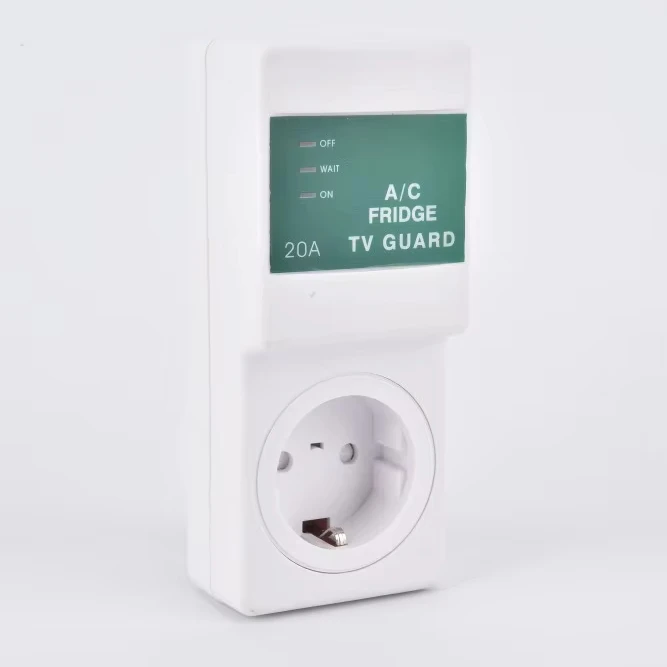
Nútíma rafkerfi standa frammi fyrir varanlegum hæslum frá spennuskömmlunum sem orsakast af netvíxlun, tæknibrotum og umhverfisþáttum. Rafspennuvörn sjálfvirk er fyrsta varnarlínan sem koma í veg fyrir dýr viðgerðir og skiptingar á meðan áreiðanleiki kerfisins er viðhaldið. Þessi tæki hafa orðið að miklu leyti betri, með innbyggðum nýjungatækni til greiningar og öflugum stjórnunarkerfum til að veita allhliða vernd gegn ýmsum notkunarsviðum.
Grundvallarsteinn sérhvers áhrifamikill sjálfvirkra rafspennuvörnu er geta hennar til að mæla spennu. Hágæðatæki nota nákvæm stafræn-til-óskaendur sem sýna inngengi spennu þúsundum sinnum á sekúndu, til að tryggja fljóta uppgötvun jafnvel stuttvarandi sveifla. Þessi algengju halda venjulega nákvæmni innan einn prósent af raunverulegri spennu, og veita traust mælingar yfir alla rekstriksviðinn.
Ítarlegir finnihópar nota margar mælingastaði til að reikna með breytingum á bylgjum og harmóníkum sem gætu haft áhrif á nákvæmni. Með samruna stafrænna undirbótaunartækja geta þessi tæki greint á milli venjulegra spennubreytinga og hugsanlega skaðlegs sveifla, sem minnkar rangt virkjun en viðheldur verndarháttsemi.
Sjálfvirk varnartæki af sérfræðingakvörðu bjóða stillanlegar stillingar á markgildum sem henta mismunandi svæðafræðilegum spennustöðum og kröfum búnaðar. Notendur geta venjulega stillt bæði efri og neðri mörk fyrir spennu, með algengum bili frá 180V til 270V fyrir einstigsgildi. Þessi fleksibilitet tryggir bestu vernd fyrir ýmsum rafhleðslum á meðan unnið er að koma í veg fyrir óþarfa aftengingu vegna minniháttar sveifla í rásinni.
Nokkrar framúrskarandi gerðir innihalda margar þrepasvæði með mismunandi svarstig, sem leyfir stigveldar verndunaraðferðir. Til dæmis gæti lítið spennuskerting valdið aðvaringarauka, en alvarlegri frávik leida til strax tengingar af hlaðmáti. Þessi stigvelda aðferð hámarkar tiltæki tækja á meðan á viðeigandi verndunarskyni er haldað.
Hraði svarsins er lykilmáttakendur fyrir sjálfvirk spennuverndarkerfi. Bestu tækin ná afkóplingartíma undir 0,1 sekúndu, sem koma í veg fyrir skemmdir á viðkvæmri rafmenningi sem getur verið skemmt millisekúndum eftir útsýningu fyrir hættulegri spennu. Þessi hraðvirki svarkraftur byggir á flóknum tengitækni, eins og rafsegulstöngum og föstu rafhlutarelæ.
Háafkörfur notenda hybrid rafbúnaðar sem sameinar áherslur mismunandi tækni. Rafrafmagnstækar veita traustan aðgreiningu og getu til að halda aflvíxlum, en föstu efni gerast fyrir mjög fljóta upphaflega svarhraða. Þessi samsetning tryggir bæði hraða og traust á milli breytilegra hleðsluástands og umhverfishluta.
Rökrétt endurtengingarreiknirit koma í veg fyrir ofþyngda endurstillingu rafmagns eftir spennusköm. Góð sjálfvirkri spennuvörnar tæki innihalda stillanlega biðtíma, sem venjulega varierar frá 30 sekúndum til nokkurra mínútna, sem gefur rafkerfinu tíma til að stöðugast áður en verndaðar hleðslur eru tengdar aftur. Þessi eiginleiki koma í veg fyrir fljóta skiptingu sem gæti áreitt bæði vörnina og tengd búnað.
Í öflugri líkön er felld inn staðfesting á spennustöðugleika á meðan biðtími er í gangi, sem tryggir að uppsetning hafi snúist aftur að viðurkenndum stigi og verið stöðug áður en endurheimt fer fram. Sumar einingar innleiða einnig stigveldar tengingararaðir fyrir margar verndaðarra sumir, sem lágmarkar áhrif inrush straumsins og minnkar álag á rafkerfið.
Rafspennuvarnaræði eru fáanleg í mismunandi straumstærðum til að hagna mismunandi forritunarkerfum. Algeng byggingarhús líkön takast á við hleðslur frá 13A til 63A, en iðnaðarútgáfur geta haft hundruð ampera. Straumgetan hefur bein áhrif á úrval búnaðar sem hægt er að vernda, frá einstaklings tækjum til alls rafkerfis í eignum.
Við faglega uppsetningu er oft krafist tækja með mikla yfirhleðslugetu til að takast á við innrunningsstrauma frá vélmótum, vandamiklum og öðrum víxlspennuhleðslum. Gæðisvörur veita venjulega 150% til 200% yfirhleðslugetu fyrir stutt tíma, sem tryggir áreiðanlega rekstur við rynningarástand búnaðar án unnunarfullra útskýttlausa afbroti.
Nútíma sjálfvirkur spennuvörnvarnar kerfi innihalda oft margar sjálfstæðar rásir, sem leyfa valfrjálsa vernd á mismunandi hópum rása. Þessi uppbygging gerir kleift að metna sérstaklega mikilvægar hleðslur en samt veita allsherjar vernd á fasteign. Venjulega hefur hver rás sérhverja spennustjórnun, skiptitæki og staðfestingu á stöðu.
Frekar fjölrásarkerfi veita miðstöðvaða eftirlits- og stjórntæki, sem gerir starfsstjórum kleift að fylgjast með stöðu kerfisins og stilla verndarviðmið frá einum stað. Samskiptafærni gerir mögulegt að samþætta það við byggingarstjórnunarkerfi og fjarvöktunarstig, sem eykur sýnileika rekstursins og viðhaldsáhrif.
Nútíma sjálfvirkar spennuverndargerðir eru með háupplýsingar stafrænar skjáir sem veita tölvuspennur í rauntíma og upplýsingar um stöðu kerfisins. Þessar skjár sýna venjulega innkomandi spennu, hleðslustraum og rekstrartilvísun, sem gerir notendum kleift að fylgjast stöðugt með rafmagnsskilyrðum. LED- eða LCD-tækni veitir skýran sýnileika við mismunandi ljósskilyrði.
Upprótin birgðarkerfis kerfi innihalda virkni til að logga fyrri gögn, sem gerir notendum kleift að fara yfir fyrrverandi spennuhendingar og greina átaksferl með kerfinu. Sumar útgáfur bjóða upp á línuritaspjöld sem sýna spennuprófíla gegnum tímann, sem hjálpar til við að greina endurkomandi vandamál og stilla verndarstillingar fyrir ákveðnar forritanir.
Nákvæm staðaaukunarkerfi nota margar LED-birtur til að samskipta starfseminni á tækinu, verndarstöðu og villutillögum. Venjulegar birtur innihalda yfirleitt ástandsmerki, viðvörunarkerfi vegna spennuskipta og tengingarstaða á hlöðu. Liti merkt birtingarmyndir leyfa fljóta mat á heilsu kerfisins og strax aukenning á óvenjulegum aðstæðum.
Í öflugri einingar eru hljóðmerkingarkerfi innbyggð með stillanlegum hljóðstyrk og hljóðmynstur fyrir mismunandi atburði. Hægt er að stilla þessi viðvörunarkerfi til að virka undir ákveðnum aðstæðum, svo sem þegar spennan fer út fyrir takmörk eða bilun kemur upp í tækinu, sem tryggir strax upplýsingar um alvarlega atburði jafnvel þegar ekki er hægt að eftirlíta sjónrænt.
Viðgerðir á sjálfvirkum spennuvörnum af hátt prófi notanda oft staðlaðar festingarkerfi til auðveldrar innbyggingar í rafbúnaðarskápum og stýriskálkum. Festing á DIN-skrúfborði veitir örugga tengingu og gerir kleift að setja saman kerfi á módulformi, en festingar í framenda henta betur sérsniðnum uppsetningum og endurbæturverkefnum. Staðlar fyrir festingar tryggja samhæfni við rafrásarskipulag sem þegar er til staðar.
Modulbundin hönnun gerir kleift að setja upp margar einingar í þjappaðri uppsetningu, sem hámarkar verndunargetu innan takmarkaðs rýmis á töflu. Sumir framleiðendur bjóða samræmd vörulínu með samræmdri festingu og tengimöguleikum, sem einfaldar hönnun kerfisins og uppsetningarferli.
Gæðavörur fyrir sjálfvirkra spennuvörnar styðja við ýmsar tengihugmyndir og tengingaraðferðir til að henta við mismunandi uppsetningarkröfur. Skrúfuþjöppur, fjáðurfestar tengiar og stekkutengdar einingar bjóða upp á möguleika fyrir mismunandi víðstærðir og uppsetningarforrit. Þyglæg merking á þjöppum og tengirit myndbandar einfalda uppsetningarferli og minnka villur við tengingu.
Samræmi við alþjóðlegar raforkustandards tryggir samhæfni við svæðisbundnar rafmagnsreglur og venjur. Margar einingar innihalda margar tengingar fyrir rafstrengi og fleksibla leiðslu kostnaðarmiklar, sem hentar ýmsum spjald uppsetningum og kröfur um stjórnun á rörum, allt á meðan varðveitt er rétt rafmagnshreinsun og öryggisstaðall.
Nútímar kerfi til að sjálfkrafa vernda fyrir spennu innihalda oft hluti gegn rifjum til að bota fyrir tímabundnum ofspennur ásamt stöðugum spennuskynjunum. Mótstandseiningar úr máltaoxíði og raseiningar veita margstigavarnar gegn rifjum af völdum eldsneytis og skiptitilvikum. Þessi samvirku nálgun gerir uppsetningu einfaldari en samt veitir umfjöllunandi rafvörn.
Samstillt verndarkerfi inniheldur virkni til að telja álagshnyppa og fylgjast með niðurgangi varnarhluta, sem tryggir óbreytt áhrifkerfi allan notkunarháttur tækins. Skiptanleg öryggismódúl gerðu kleift viðhald án þess að skipta út öllu tækinu, sem minnkar rekstrarkostnað á langan tíma en samt halda í öryggisstöðugleika.
Tilraunavörur fyrir sjálfvirkri spennustýringu eru útbúnar með samskiptaviðmótum sem leyfa samruna við umsjónarkerfi og fjartengingarplattform. Staðlaðar samskiptamál eins og Modbus, Ethernet og trådløs tenging veita fleksibla tengimöguleika fyrir mismunandi forrit. Þessi eiginleikar gerðu kleift að stjórna og fylgjast með mörgum varnartækjum í gegnum stórar eignir beint úr miðlungi.
Yfirvöldunartjónusta sem byggir á vefþjónustu gerir kleift að fjarstýra tækjastöðu og nálgast gögn um liðna atburði frá hvaða stað sem er með internettengingu. Farsímaforrit veita auðvelt aðgang að upplýsingum um kerfið og gerða kleift að tilkynna um alvarlega atburði í gegnum tilkynningar á snjalltölvum. Þessar eiginleikar bæta við viðhaldsefektivitæti og gerðu kleift að stjórna kerfinu á varnarmóti.
Sjálfvirkur spennuvörnunartæki ætti að fylgjast með spennusviði sem venjulega er á bilinu 180V til 270V fyrir hefðbundin íbúðarkerfi, þó að þetta svið sé hægt að stilla eftir staðbundnum rafmagnsstaðli og sérstökum kröfum tækja. Tækið ætti að greina bæði ofhá og of lág spennu með mikilli nákvæmni til að veita alhliða vernd gegn ýmsum rafmagnsfrávikum.
Gæðavirkar sjálfvirk spennuskiptingaræði ættu að svara á hættulegum spennuskilmálum innan 0,1 sekúndu eða minna til að koma í veg fyrir skemmdir á viðkvæmum rafrænum tækjum. Svarnartíminn felur í sér bæði greiningu og skiptingaraðgerðir, sem tryggir að vernduðum hleðslum sé aftengt áður en skaðleg spenna getur valdið varanlegum skemmdum á tengdum tækjum.
Sjálfvirk spennuskiptingaræði af verkfræðilagi eru hönnuð til að takast á við innstigunarrof frá vélmótörum, vandamiklum og öðrum veltubundnum hleðslum án þess að rýma upp ranglega. Þessi tæki veita venjulega 150% til 200% yfirhleðslugetu fyrir stuttar tímabil, sem gerir mögulegt að vinna með venjulegar ræsinguðstæður búnaðarins en samt halda vernduninni virka gegn raunverulegum yfirhleðslutillögunum.
Tæki til að vernda gegn sjálfvirkri spennu krefjast lágmarks viðhalds, sem felst venjulega í reglulegri sýnilegri yfirferð tenginga, hreinsun skjásurfa og staðfestingu á réttum virkni með prófunaraðferðum. Flóknari einingar með hluti til að vernda gegn spennuhnúta gætu krafistskiptingar verndunarhluta eftir útsetningu fyrir mikilvægum hnútum, og birtustendur gefa vísbendingar um ástand hlutanna.

 EN
EN